
August 06, 2025
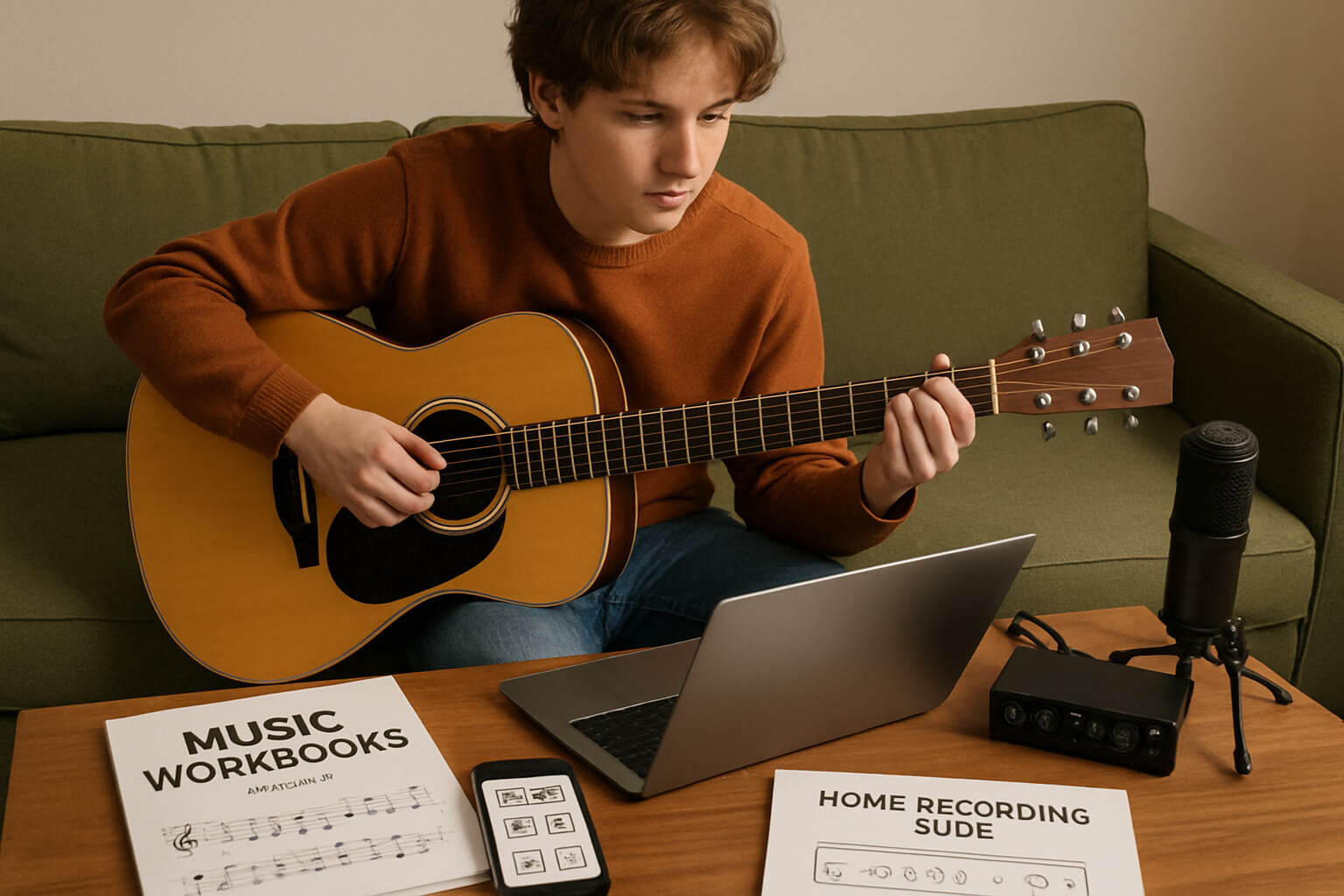
Learning music doesn’t have to come with a hefty price tag. With the right strategy and access to free resources, anyone can build skills in playing, producing, or understanding music—without paying for lessons or expensive software. Whether you’re a complete beginner or refining your craft, this guide breaks down the most effective free tools, PDFs, apps, and communities to learn music on a budget.
Before spending on lessons or subscriptions, explore the wide variety of free content created by experienced musicians and educators. From instrument tutorials to theory breakdowns and production tips, you can access full learning pathways online—at no cost.
Free eBooks and PDF workbooks offer a structured and organized way to practice. These materials often include step-by-step instructions, practice schedules, diagrams, and exercises tailored to specific skill levels.
Mobile and web-based apps have revolutionized how people learn music. Many offer robust free features, letting you practice rhythm, theory, ear training, and even real-time instrument feedback.
Bonus Tip: Combine these apps with printable materials for a well-rounded practice session.
For producers and beatmakers, high-quality samples can be expensive. Luckily, there are free alternatives that offer royalty-free drum kits, melodies, and loops for genres like hip-hop, pop, and EDM.
Ear training helps you recognize intervals, chords, and melodies by sound. It builds the ability to play by ear, improvise, and transcribe music. Best of all—it’s completely free.
Suggested Reading:
Practicing music notation helps you internalize theory and improves memory. Using free printable templates, you can sketch scales, create exercises, or even compose original pieces.
Pro Tip: Write out scale patterns and chord progressions daily to solidify theory knowledge.
Learning with others helps you stay accountable and receive feedback. You can ask questions, share recordings, or follow advice from more experienced musicians—all for free.
Try:
Professional-grade music production doesn’t have to be expensive. Several free DAWs (Digital Audio Workstations) offer all the tools needed to record, edit, and mix tracks at home.
Related Articles:
You don’t need a big budget to make real progress in music. With free apps, PDFs, sample packs, DAWs, and learning communities, you can cover everything from instrument technique and theory to production and ear training. What matters most is consistency, focus, and the willingness to explore and experiment.
Choose one musical goal, one primary learning resource, and the instrument or setup you can currently use. Schedule a manageable practice period and define its first action. A budget plan becomes easier to assess when it supports an actual routine rather than an imagined collection of future equipment and subscriptions.
Keep a problem list during practice. Describe the task that was blocked and what you tried. If you could not understand a diagram, the next step may be a clearer explanation. If you could not record an attempt, investigate the tools already available. A precise problem helps you avoid paying for something that does not address it.
Assign each resource a purpose: a course for sequence, a reference for a specific question, and a way to review your own attempts. You do not need several tools performing the same role at once. Too many overlapping resources can consume the time intended for practice and leave you uncertain about which instruction to follow.
Check current access conditions and keep useful links in one place. If a resource changes, you will know which part of the routine needs a replacement. Save your own practice notes independently where practical so that your history is not tied entirely to one provider’s progress display.
Before purchasing anything, state the problem, the proposed solution, and the total cost including necessary extras. Compare that with a practical alternative such as adjusting the routine or seeking a focused explanation. If individual instruction is within reach, bring a specific example so the time can address a real question. Review purchases against their actual use after a few sessions.
Stay up to date with the latest tips, expert insights, product reviews, and step-by-step guides to help you grow, create, and succeed—no matter your industry or passion.


