
June 18, 2025
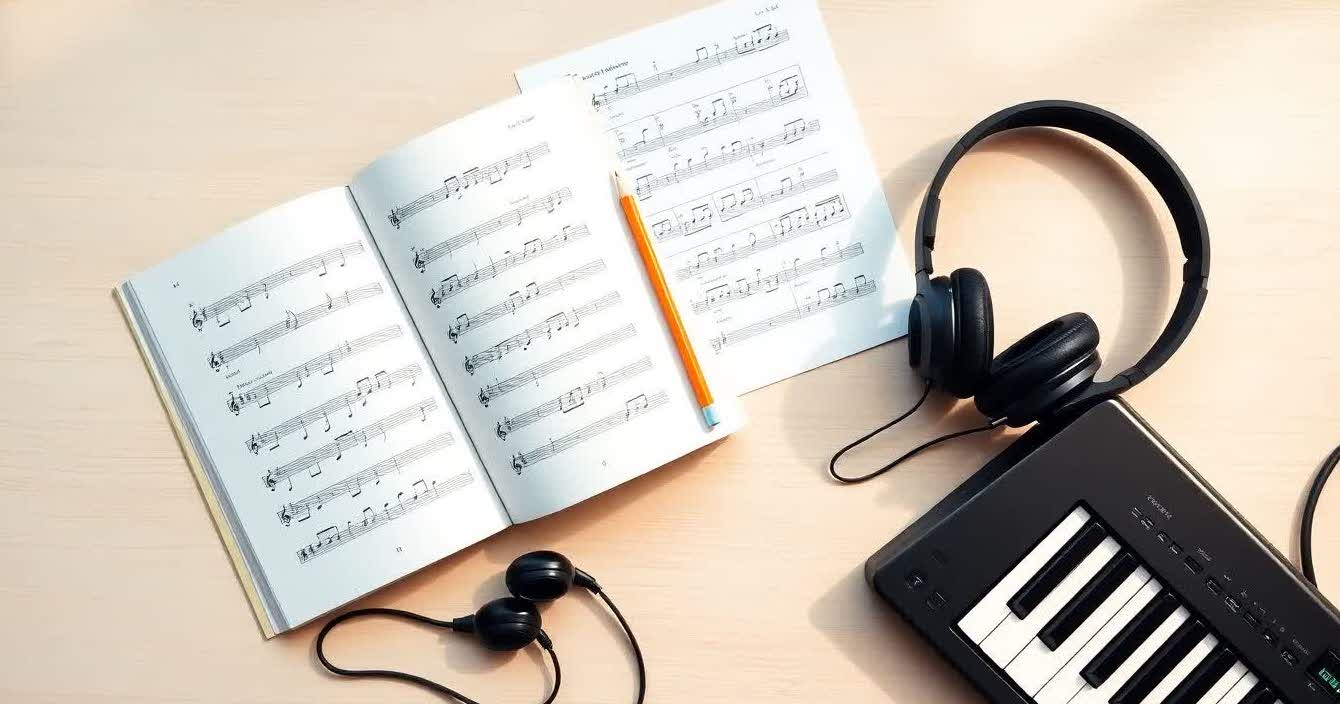
Reading music combines several tasks: recognizing written information, connecting it with sound, and producing the intended result on an instrument or with your voice. Begin with a short exercise from a reliable introductory resource. Choose material that explains the clef, rhythm, and symbols it uses. A familiar recording can help you check the result, but the written passage should remain the information you are learning to interpret.
Prepare a pencil, the exercise, and a way to review your attempt. Mark one question before beginning: finding the starting note, maintaining a count, or understanding a particular symbol. Working on a small question makes the session easier to assess than trying to read an unfamiliar page at performance speed. You can add complexity after the first task becomes understandable.
A staff has five lines, with spaces between them. The clef establishes how those positions relate to pitch, and ledger lines extend the written range. The same position cannot be named correctly without considering the clef. Open Music Theory’s notation chapter provides examples you can compare with an introductory exercise.
Identify the clef first, then find a reference note explained in your lesson. Move from that reference to a nearby note and check its position carefully. Notice whether the next note repeats, moves to an adjacent position, or skips farther away. This gives you several useful observations instead of making every note an isolated guessing problem. Use the note names and instrument layout appropriate to the exercise you selected.
Before playing the pitches, inspect the note values, rests, bar lines, and time signature. In a simple 4/4 example, practice a steady count of four quarter-note beats in each measure. A half note can continue across two of those beats, while a quarter rest leaves its beat silent. Use your lesson’s explanation when another meter appears; do not assume that every time signature organizes its pulse identically.
Try counting or clapping the rhythm alone. Keep the count going through rests and longer notes so that silence does not become an unplanned pause. If a measure is confusing, work on that measure before combining it with pitches. For further examples, see Open Music Theory’s simple-meter chapter. The purpose is to understand the pattern before adding the movement of playing an instrument.
Once you can describe the rhythm, locate the starting notes on your instrument using suitable instruction. Try a short portion with enough time to think about each action. If you hesitate, identify whether the problem is recognizing the written note, finding it on the instrument, or remembering the rhythm. Those difficulties need different exercises, so naming the problem is more useful than simply repeating the whole passage.
For a keyboard exercise, you might find a small group of notes before adding the count. For another instrument, follow the fingering or position guidance in your learning material. Keep the first task manageable and seek appropriate feedback when the movement is unclear. Reading practice should connect information with sound without encouraging you to force an uncomfortable or uncertain technique.
When an unfamiliar mark appears, look it up in the resource that accompanies the exercise. Identify whether it concerns pitch, duration, articulation, dynamics, or navigation through the music. Write a short explanation in your own words and find the exact place where you must use it. Avoid copying a symbol into your notes without connecting it with an action or listening target.
For example, compare two short attempts at a phrase using the dynamic instruction explained in the lesson. Listen for the intended difference while keeping the rhythm and notes consistent. If a mark remains ambiguous, ask a teacher or consult a reliable explanation before practicing a guess repeatedly. You do not need to learn every notation symbol before beginning, but you do need to resolve the ones required for the task in front of you.
Begin by inspecting a small passage without playing. Identify the starting information and mark a difficult point. Work on its rhythm separately, locate the notes, and then combine them in a short attempt. Pause to check one detail. Keep the surrounding phrase available so that an isolated exercise can be returned to its musical context.
Finish with an attempt that includes the entry and ending. Record it where useful, then listen without watching the score or your hands. Compare the result with the written instructions and your reference. Choose one observation for the next session, such as a note that arrived late or a rest that lost its intended place in the count. A specific observation produces a clearer next step than a general judgment that you are good or bad at reading.
A passage can become familiar enough that you perform it from memory while looking at the page. That can be a useful musical result, but it does not test every reading skill. After practicing familiar material, try another short exercise at a suitable level. Keep the new example small and use the same inspection process rather than treating unfamiliarity as a reason to rush.
You can also try beginning at a clearly marked point inside a familiar piece. Check the information needed for that entry before playing. Notice which cues let you restart independently and which details still depend on remembering everything that came before. Record the lesson location, passage, one unresolved question, and the next starting point. This keeps progress connected to understanding written music rather than only remembering a sequence of movements.
Review a few practice notes together. If note recognition is clearer but rhythm remains uncertain, choose an appropriate counting activity. If the rhythm is understandable but instrument positions are slow to find, work with a manageable note group and suitable guidance. Change one part of the task at a time so that you can tell what the exercise reveals.
The goal is independent reading that supports music you want to make. Use notation, listening, demonstration, and feedback together where they clarify a particular question. Return to familiar material for musical application, then add a small unfamiliar example when ready. A clear and sustainable routine is more useful than a promise to read every score fluently after a fixed number of days.
Stay up to date with the newest tips, gear reviews, and step-by-step guides to elevate your photography journey from home and beyond.


