
June 19, 2025
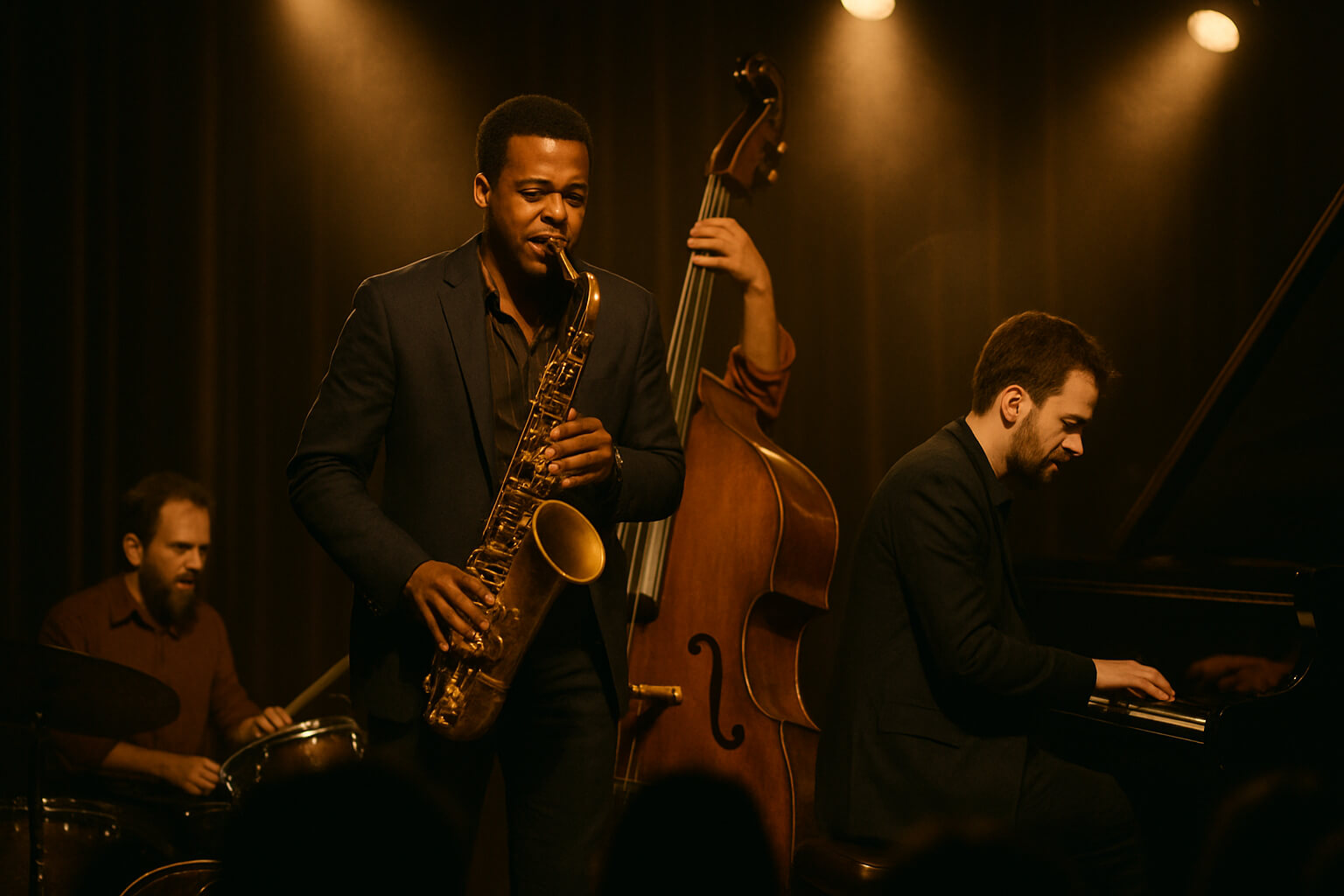
Improvisation is more than a musical technique—it’s the emotional lifeblood of jazz and blues. Where other genres may follow rigid structures, jazz and blues thrive on spontaneity, individuality, and raw expression. From expressive saxophone runs to soulful guitar bends, improvisation transforms each performance into a unique, unrepeatable moment.
Whether you're a curious listener, a beginner learning to jam, or an experienced player exploring deeper artistry, understanding the central role of improvisation in these genres is essential to appreciating—and creating—authentic music.
At its core, improvisation is the act of composing music in real time. There are no written notes guiding your performance. Instead, you rely on your ear, your feel for harmony, and your musical instincts to decide what to play next.
In jazz and blues, musicians usually improvise over established chord progressions. These progressions serve as the backdrop for creativity—a structure within which freedom can flourish.
For example, a blues guitarist may solo over a familiar 12-bar blues pattern using the minor pentatonic scale. But how they bend notes, phrase licks, and build tension is what gives each solo its personality.
Improvisation is not chaos—it’s musical storytelling in the moment.
1. Expressive Freedom
2. Identity and Style
3. Interactive Performance
4. Storytelling Through Sound
Despite its spontaneous nature, improvisation is not random—it’s a practiced art form grounded in theory, technique, and listening.
1. Learn Scales and Chord Tones
3. Play with Loops or Live Bands
There’s no better way to grow than jamming with others.
Improvisation blossoms when it’s shared—it’s a social art form.
If you’re just starting to improvise, here are key principles to build confidence and avoid overwhelm:
Want to follow a structured path?
Improvisation is not just a skill—it’s the spirit of jazz and blues. It turns theory into emotion, structure into freedom, and notes into a living language.
By training your ears, studying your heroes, and playing from the heart, you’ll gradually discover your own musical voice—and with it, the ability to speak and connect through sound.
Whether you’re crafting a late-night blues solo or trading licks at a jazz club jam, improvisation will always be your bridge to creativity, emotion, and authenticity.
Related reading: How to Choose a Music Discovery Newsletter.
Choose a short motif and an appropriate backing or exercise from your learning material. Repeat the motif, then change one feature such as its rhythm, ending, or placement. Listen to how the change affects the phrase. Keep enough space between attempts to hear the relationship with the accompaniment.
Record a brief example and identify a phrase you would like to develop. Describe why it interests you: its shape, timing, or response to another musical event. Use that observation for the next attempt instead of judging the whole improvisation as simply good or bad.
When studying a recording, note a short passage and the musical context around it. Seek an explanation suited to your level before trying to imitate every detail. Improvisation practice becomes more focused when listening, experimentation, and review all address the same small musical question.
Stay up to date with the newest tips, gear reviews, and step-by-step guides to elevate your photography journey from home and beyond.


