
January 08, 2026
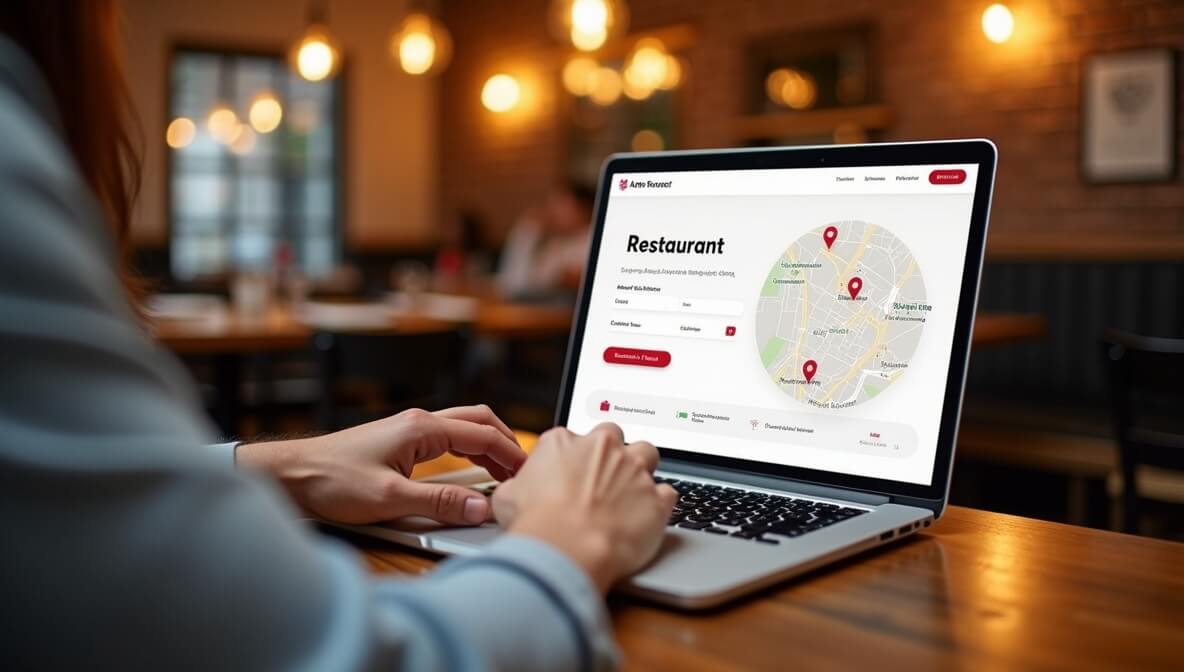
Most restaurant websites fail for one simple reason: They look like websites—but they don’t work.
In 2026, a working restaurant website is not decoration.
It’s infrastructure.
A working website:
If you’re a restaurant owner building your first website—or fixing an old one—this guide shows what actually matters in 2026, and what you can safely ignore.
In 2026, a restaurant website must do three jobs flawlessly:
Anything else—animations, trendy layouts, clever copy—is secondary.
If your website fails at these basics, it quietly loses customers every day: The Cost of Not Having a Website for Your Restaurant
In 2026, diners don’t admire websites.
They judge them.
A strong foundation means:
Most restaurant searches happen:
If your site is slow or confusing, diners leave immediately.
Mobile-first is no longer optional—it’s the website: Mobile-First Websites: Why Restaurants Can’t Ignore Them
In 2026, your homepage has 3–5 seconds to answer:
High-performing restaurant websites surface:
Clarity directly drives foot traffic and bookings: How a Simple Website Update Can Double Your Foot Traffic
In 2026, the menu page remains the most visited page—but expectations are higher.
A working menu:
Menus are no longer just lists—they are decision engines.
Why digital menus outperform printed and social menus:
In 2026, overly polished images reduce trust.
Diners respond better to:
Stock photos and generic images create skepticism—even if the food is great.
Even basic, authentic photography increases:
The psychology behind food photography: The Science of Food Photography for Restaurant Websites
A website that can’t be found locally cannot perform.
In 2026, local SEO determines whether you appear in:
Beginner essentials:
If you’re invisible locally, the website doesn’t matter:
In 2026, your website and Google Business Profile must function as one system.
Restaurants with strong websites:
Your website reinforces legitimacy, accuracy, and trust.
How to make your site and Maps work together:
In 2026, attention is scarce.
If your website doesn’t tell visitors what to do, they won’t do anything.
Every page should push one or more actions:
No guessing. No clutter.
This is how websites turn visits into revenue: How to Turn Website Visitors Into Paying Diners
Social media and delivery apps rent attention.
Websites build ownership.
In 2026, owning your audience means:
Beginner-friendly tools:
Why ownership beats “link in bio” strategies:
Even in 2026, most failing restaurant websites suffer from:
These mistakes are expensive—and avoidable: The Most Common Restaurant Website Mistakes (And How to Fix Them)
One restaurant increased bookings by 40% after improving:
No complex redesign.
No trendy features.
Just fundamentals executed correctly: How One Restaurant Increased Bookings by 40% With a New Website
You don’t need a complex website.
You need a clear, fast, trustworthy one.
If your website:
…it’s working.
Start simple.
Build for reality, not trends.
Let the website do its job.
Stay up to date with the latest tips, expert insights, product reviews, and step-by-step guides to help you grow, create, and succeed—no matter your industry or passion.