
December 23, 2025
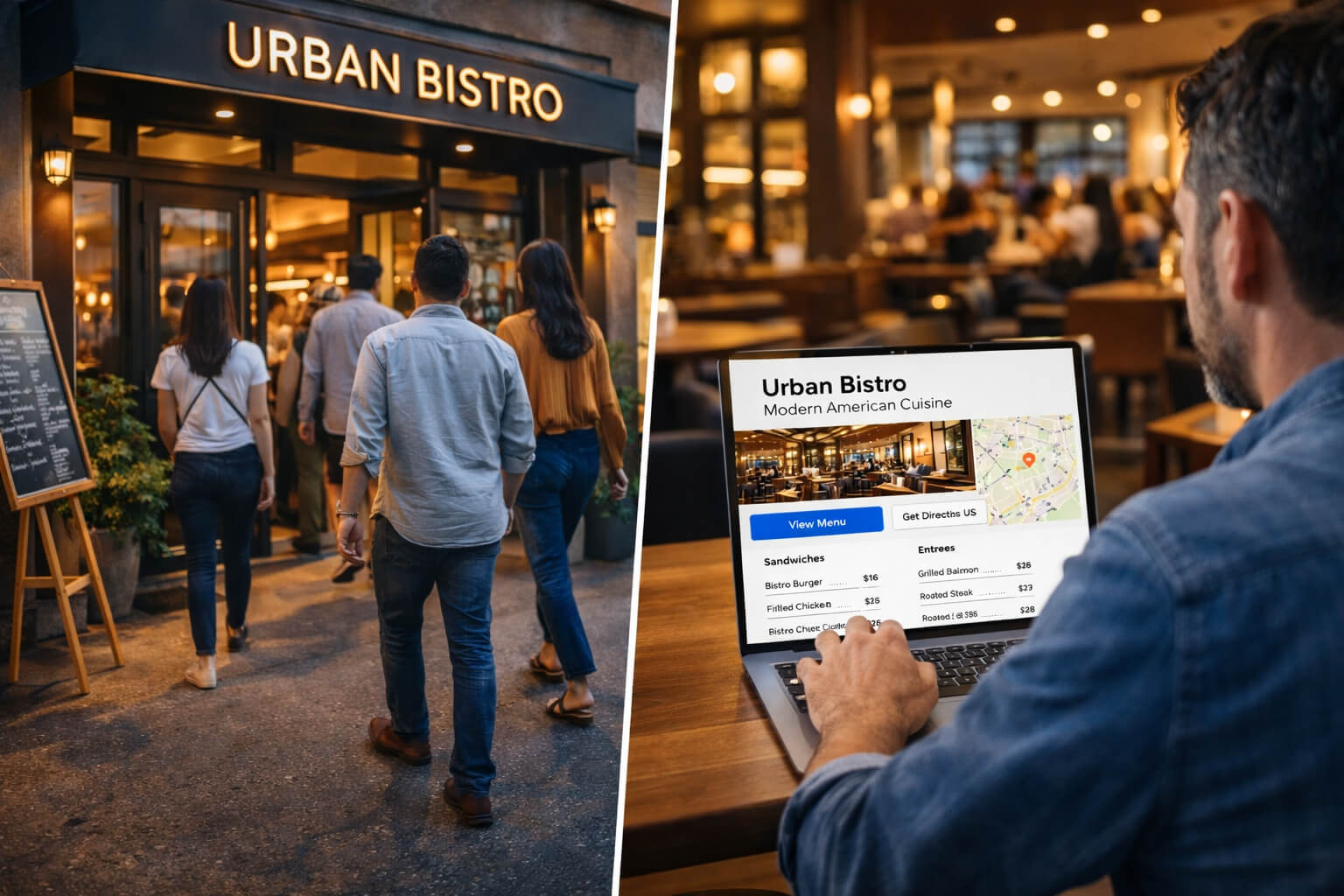
Most restaurant owners assume growth requires bigger ad budgets, discounts, or joining more delivery apps. But in reality, some of the biggest gains come from optimizing your existing website.
Restaurants that refresh outdated sites—without a full rebrand or rebuild—often see immediate increases in walk-ins, reservations, and direct orders. This guide explains why small website updates can have a massive impact, and how to execute them effectively.
Your website is often the first impression diners have of your restaurant. If it’s outdated or hard to navigate, it sends subtle signals that can drive potential customers elsewhere:
Ignoring these issues isn’t just a missed opportunity—it’s actively losing revenue. Restaurants that improve clarity, speed, and usability often see higher foot traffic and reservations almost immediately: The Cost of Not Having a Website for Your Restaurant
The first step is reducing friction for potential diners. Place critical information above the fold—so users don’t have to scroll or hunt:
Restaurants that prioritize clarity in these key areas consistently outperform competitors in local search rankings and see more spontaneous visits: How Restaurants Can Attract Local Customers Through SEO
Speed is a conversion factor. Even a few seconds of delay can lead to lost bookings or walk-ins. Mobile-first updates can include:
Restaurants that prioritize mobile speed often report immediate improvements in user engagement, local search visibility, and in-store traffic: Mobile-First Websites: Why Restaurants Can’t Ignore Them
Menus are the most visited page on any restaurant website. Even without changing the dishes, a menu refresh can increase engagement:
Well-designed online menus improve trust, reduce friction, and increase the likelihood of walk-ins and direct orders: Online Menus: Why They Matter More Than Printed Ones
People eat with their eyes first. Updating your site with high-quality visuals strengthens trust and encourages visits:
Visual proof reassures diners and drives emotional connection, increasing the likelihood of in-person visits: The Science of Food Photography for Restaurant Websites
Even a small SEO tweak can dramatically boost your restaurant’s visibility online:
Restaurants that update local SEO elements often see noticeable increases in Google Maps rankings, organic traffic, and walk-ins within weeks:
Your website should guide online users to offline action. Effective strategies include:
When these elements are optimized, restaurants see higher conversion from website visits to actual in-store traffic: How to Turn Website Visitors Into Paying Diners
One restaurant refreshed its website layout, improved speed, and clarified menu presentation—without spending on ads—and bookings increased by 40%. Small updates can uncover demand that already exists, converting interest into revenue: How One Restaurant Increased Bookings 40% With a New Website
Doubling foot traffic doesn’t always require new campaigns or bigger marketing budgets. Often, it’s about removing friction for potential diners:
Small website updates can unlock demand that already exists—you just weren’t capturing it before.
Fix the website. Watch the seats fill.
Stay up to date with the latest tips, expert insights, product reviews, and step-by-step guides to help you grow, create, and succeed—no matter your industry or passion.