
August 13, 2025
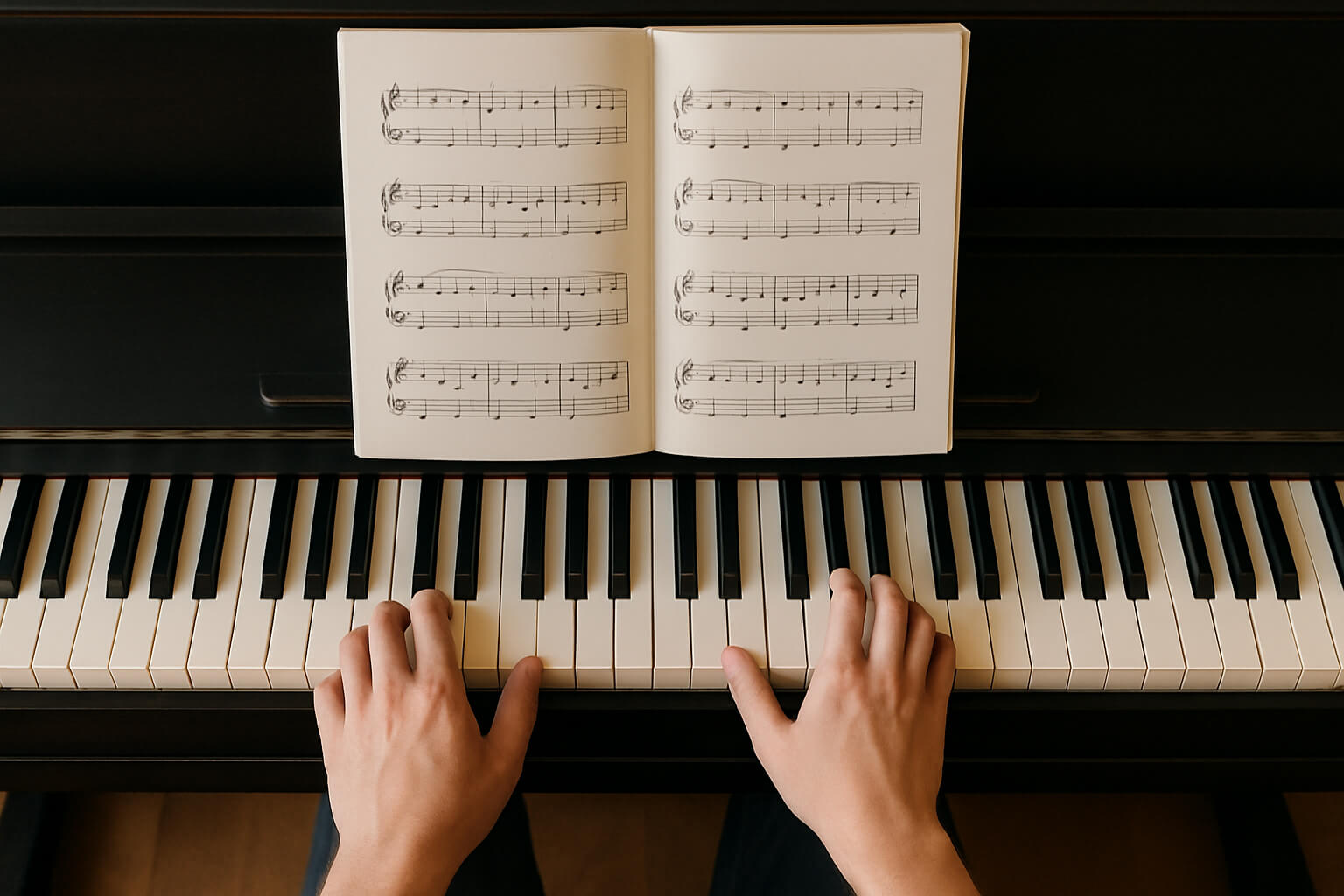
Whether you're just starting or returning to the keys after a break, learning classic songs can be the most fulfilling and motivating part of your piano journey. These pieces are widely recognized, musically enriching, and strategically beneficial for building core skills like rhythm, finger dexterity, and expressive playing.
Here’s a detailed guide to classic piano songs every beginner should know—paired with smart learning tips and supplementary resources to help you grow beyond the basics.
An iconic piece in the piano repertoire, “Für Elise” is surprisingly approachable for beginners.
Sheet Music: IMSLP.org
Related Resource: The Ultimate Guide to Music Reading for Beginners
This classic ballad is beginner-friendly and a great introduction to playing chords in rhythm.
Tutorial: Piano Lessons On The Web
Related Resource: Ear Training Exercises – How to Hear Chords and Melodies
With its hypnotic arpeggios, “Clocks” teaches modern playing patterns and rhythmic flow.
Sheet Music: MusicNotes.com
Extra Tip: Learn how rhythm shapes music in Why Understanding Rhythm is Crucial
This regal piece is ideal for developing chord recognition and melodic layering.
Sheet Music: 8notes.com
Expand your knowledge with: Understanding Chord Progressions
A deeply emotional piece that beginners can access through simplified versions.
Tutorial: Pianote
Related Read: The Role of Improvisation in Jazz and Blues
With its iconic broken chords, this ballad is both elegant and approachable.
Sheet Music: Sheet Music Direct
Boost your memory with: How to Memorize Songs Quickly and Effectively
A Baroque masterpiece that builds fluid finger movement and hand independence.
Sheet Music: IMSLP
Learn the foundations with: The Benefits of Learning Music Theory
A timeless piece, often played as a piano-vocal ballad or instrumental solo.
Tutorial: Flowkey
Explore: The Psychological Benefits of Playing a Musical Instrument
Silly but effective, this song builds finger coordination and timing.
Use it in daily drills from: Practice Makes Perfect – Effective Strategies
Although emotionally complex, the first movement is slow and playable by patient beginners.
Tutorial: Piano Tutorial Easy (YouTube)
Further reading: Understanding Classical Music – Composers, Eras, and Forms
Practicing smart is better than just practicing hard. Here are essential strategies to stay on track:
Also check: Seven-Day Beginner Piano Practice Plan
From Beethoven to Adele, these classic piano songs aren’t just stepping stones—they’re the foundation of your musical voice. Each song teaches you a different aspect of playing: some develop your technical chops, others unlock emotional depth. Pair them with strong practice routines, thoughtful theory understanding, and effective listening skills—and you’re well on your way to becoming a confident pianist.
If you’re looking for a little extra help, consider tools like:
A familiar tune can appear in arrangements with very different demands. Inspect the actual version you intend to play: hand movement, rhythm, number of simultaneous notes, and any techniques it assumes. Compare those demands with your current lessons. A simple arrangement that you can understand may be a better starting point than a famous version that is difficult to decode.
Try a short section before committing to the whole piece. Identify one musical goal, such as maintaining the melody’s rhythm or making the ending clear. If several new skills appear at once, ask for an easier arrangement or work on a prerequisite. Choosing manageable material is part of learning a song, rather than a failure to attempt its hardest version.
Divide the arrangement into phrases that make musical sense and mark where patterns return. Work on a phrase, then include its connection to the next one. The transition often needs attention even when both sections can be played separately. Keep a written starting point so that practice does not always begin at the first bar.
Record a short performance and listen for the intended melody, pulse, and phrase ending. Choose one detail for the next attempt. When a piece becomes familiar, try starting from more than one section and playing through a small mistake. These tasks prepare the music for use beyond the narrow conditions of a practice loop.
Keep one piece you can revisit comfortably, one that develops a current skill, and a small idea you enjoy exploring. Note the arrangement source and the section being practiced. A small repertoire with clear purposes is easier to maintain than a long list of titles that you have only begun.
Stay up to date with the latest tips, expert insights, product reviews, and step-by-step guides to help you grow, create, and succeed—no matter your industry or passion.


