
January 12, 2026
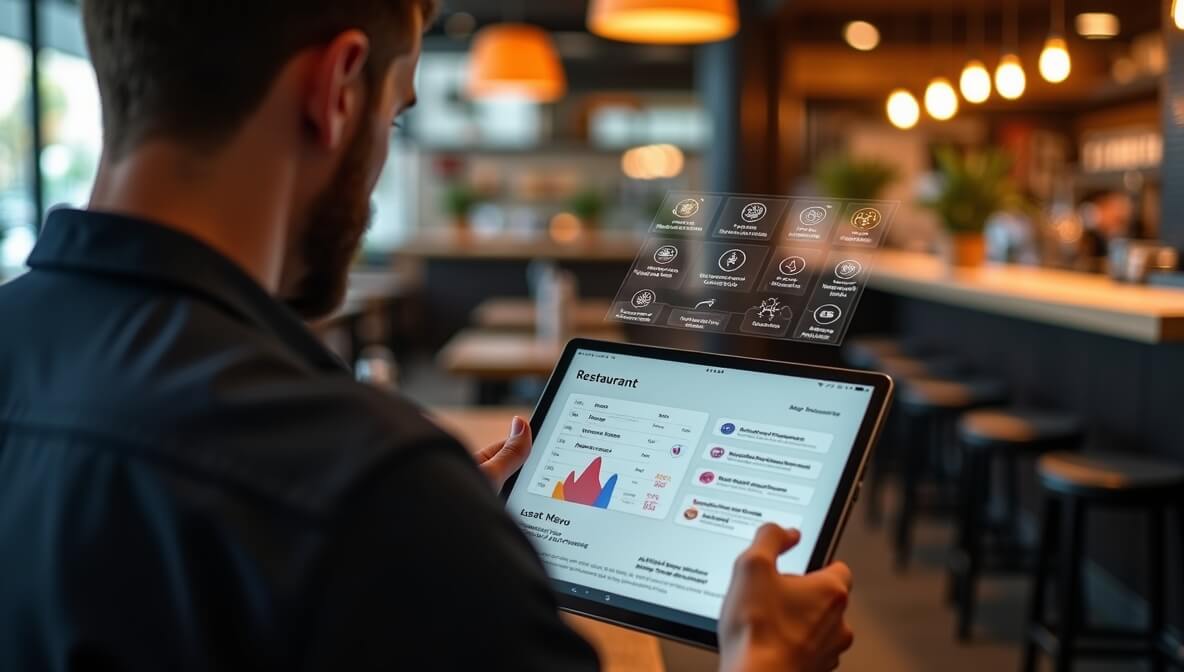
Restaurant websites are no longer just digital menus. In 2026, they function as growth engines, trust builders, and measurable revenue drivers. As diner behavior evolves and search engines become more experience-focused, the definition of a “good” restaurant website has fundamentally changed.
Today’s diners expect speed, clarity, and confidence before they ever step inside. They want to know where you are, what you offer, how easy it is to book or order, and whether they can trust you—all within seconds.
Restaurants that adapt to these changes early will gain visibility, bookings, and long-term loyalty. Those that don’t won’t necessarily fail overnight—but they will slowly lose relevance, traffic, and repeat customers.
Below are the restaurant website trends defining 2026, and more importantly, why each one directly impacts revenue and growth.
By 2026, the overwhelming majority of restaurant website traffic comes from mobile devices. Diners are searching while walking, driving, or sitting with friends deciding where to eat. Desktop-first designs now feel outdated and create friction that costs restaurants real business.
Modern restaurant websites are designed entirely around mobile behavior. That means layouts optimized for thumbs, not cursors. Menus must be readable without zooming. Buttons must be large enough to tap confidently. Key actions—calling, getting directions, booking, or ordering—must be immediately visible.
Search engines reinforce this shift. Google now evaluates mobile usability as a primary ranking factor, meaning poorly optimized mobile sites don’t just convert less—they rank lower.
Why mobile-first design is now mandatory: Mobile-First Websites: Why Restaurants Can’t Ignore Them
Restaurants are increasingly pulling back from third-party platforms that control customer relationships and charge high commissions. In 2026, successful restaurants treat delivery apps and marketplaces as discovery tools—not primary sales channels.
Websites that support direct reservations and online ordering allow restaurants to reclaim margin, branding, and customer data. When customers book or order directly, the restaurant controls the experience, the communication, and the follow-up.
Over time, direct channels lead to higher lifetime value per customer, stronger loyalty, and reduced dependency on platforms that can change fees or policies overnight.
Why direct ordering consistently outperforms third-party apps:
Artificial intelligence is becoming part of restaurant websites—but not in obvious or intrusive ways. In 2026, AI works quietly in the background to improve relevance and conversion.
Websites now dynamically highlight popular dishes, adjust homepage content based on time of day, and guide visitors toward the most relevant action. A lunchtime visitor might see quick ordering options, while an evening visitor sees reservations and ambiance-focused imagery.
The key difference in 2026 is restraint. The best restaurant websites use AI to support decision-making, not replace hospitality. The goal is still warmth, personality, and human connection—just delivered more intelligently.
How AI is already shaping restaurant websites: The Role of AI in Modern Restaurant Marketing
For many diners, the journey begins on Google Maps—not your homepage. Restaurants are now designing websites specifically for Maps-driven traffic, where users arrive with high intent and limited patience.
This means immediate clarity on essentials: location, hours, menu, parking, and booking. Pages are structured so that someone coming from Maps can confirm key details and act within seconds.
Websites that reinforce Google Business Profile data—through consistent information, embedded maps, and visible reviews—send strong trust signals to both diners and search engines.
Why Maps visibility starts with your website:
In 2026, restaurant websites are no longer static collections of pages. They tell a story.
High-performing sites use short motion clips, immersive photography, and atmosphere-focused visuals to convey what it feels like to dine there. This emotional context builds trust before a customer ever visits.
Rather than overwhelming visitors, visual storytelling helps diners imagine themselves inside the space—eating, celebrating, or relaxing. That emotional connection significantly increases conversion rates.
Why visuals now drive dining decisions: The Science of Food Photography for Restaurant Websites
QR menus aren’t disappearing—in 2026, they’re becoming smarter and more integrated.
Modern digital menus update in real time, support dietary filters, highlight bestsellers, and sync with POS systems. This reduces operational friction while improving guest experience.
Because menus are central to SEO and conversions, restaurants are treating them as core website infrastructure—not PDFs or afterthoughts.
Why digital menus are now permanent:
As social media reach declines, restaurants are shifting focus to owned channels. Websites are now the primary source for email signups, loyalty programs, and repeat-visit incentives.
This shift allows restaurants to communicate directly with customers—without relying on algorithms or paid reach. Loyalty programs integrated into the website feel seamless and reward diners for coming back.
Why websites are replacing social platforms for retention:
Flashy designs are giving way to fast, accessible, and intuitive layouts. In 2026, simplicity is a competitive advantage.
Websites with fewer pages, clear navigation, strong contrast, and readable text outperform cluttered designs. Accessibility improvements don’t just help users with disabilities—they improve usability for everyone.
Restaurants that eliminate friction convert more traffic with less effort.
Common mistakes restaurants are now avoiding: The Most Common Restaurant Website Mistakes (And How to Fix Them)
In 2026, the website is no longer the endpoint—it’s the hub of the entire marketing funnel.
SEO drives discovery, ads drive intent, social drives awareness, and retargeting brings visitors back. The website ties it all together by converting attention into action.
Restaurants that understand this funnel structure outperform competitors who treat their website as a passive asset.
How the website fuels the full funnel: The Restaurant Marketing Funnel: How Your Website Brings Diners to Your Door
Restaurant owners in 2026 don’t just want a website—they want proof that it works.
Modern websites track bookings, direct orders, and engagement that influences foot traffic. This data allows owners to make smarter decisions and justify digital investment with confidence.
Understanding ROI turns a website from an expense into a growth tool.
Why measuring website ROI matters: The ROI of a Restaurant Website: What Owners Need to Know
Trends will continue to evolve—but control, clarity, and trust remain timeless advantages.
Restaurants that treat their website as a strategic asset—not a digital brochure—will dominate local search, reduce dependency on third-party platforms, and build lasting customer relationships.
In 2026, your website isn’t optional.
It’s your strongest competitive advantage.
Stay up to date with the latest tips, expert insights, product reviews, and step-by-step guides to help you grow, create, and succeed—no matter your industry or passion.