
January 16, 2026
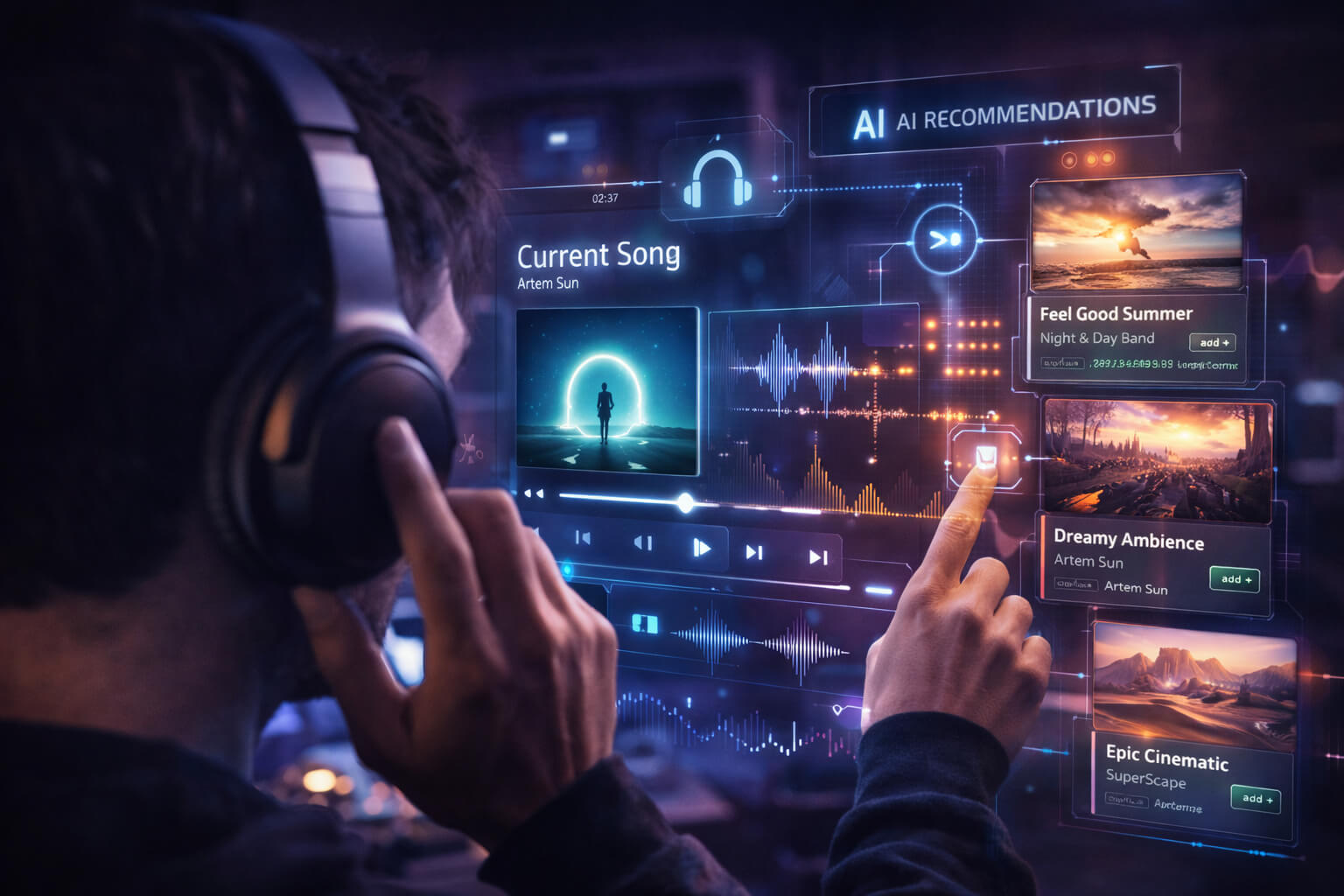
Music streaming in 2026 is no longer a passive activity. It has evolved into an interactive ecosystem where listening, creating, supporting, and monetizing music all happen inside connected platforms.
Driven by AI-powered personalization, blockchain-based royalty systems, and creator-first business models, the streaming industry is experiencing its most profound shift since the transition from physical media to on-demand platforms like Spotify.
This article explores where music streaming is heading in 2026, how these changes impact artists and listeners, and what creators must understand to stay visible, profitable, and future-proof.
To understand the future of streaming, we must understand its past.
The move from vinyl, cassettes, and CDs to digital files—and eventually to cloud-based streaming—fundamentally reshaped how music is distributed, discovered, and valued. This transformation is explored in detail in The Evolution of Music Consumption – From CDs to Streaming.
By 2026, streaming is no longer the final destination of a song’s lifecycle. Instead, it acts as the first touchpoint in a much larger creator economy that includes:
Streaming has become the infrastructure layer of modern music careers.
Artificial intelligence now sits at the core of every major streaming platform.
In 2026, algorithms go far beyond genre classification. They analyze:
This evolution is closely tied to more intentional listening habits, which are explored in How to Critically Listen to Music – Beyond Casual Enjoyment.
For artists, this means that emotional clarity and sonic identity matter more than ever. Music that communicates a clear mood, atmosphere, or purpose is more likely to be surfaced by recommendation systems.
One of the defining features of streaming in 2026 is the continued erosion of traditional gatekeepers.
With modern distribution tools, artists can now release music globally without label backing. Understanding how this process works is essential, which is why Music Distribution Explained – Getting Your Music on Spotify and Apple Music has become required reading for independent musicians.
This shift fuels the ongoing debate discussed in The Pros and Cons of Independent vs Major Record Labels.
In 2026:
Streaming has democratized access—but success now depends on strategy, branding, and consistency, not just talent.
Artists in 2026 are more financially informed than any previous generation.
With increasing scrutiny around payouts, creators are educating themselves through resources like How Music Royalties Work – A Comprehensive Breakdown for Artists.
Key changes reshaping streaming revenue include:
While per-stream rates remain low, streaming now acts as a gateway to multiple income streams, rather than the sole source of revenue.
AI-generated music is no longer experimental—it is fully integrated into streaming ecosystems.
In 2026, listeners can:
Creators looking to understand this shift often begin with The Basics of MIDI – How It Works and Why It Is Essential for Production and sound design fundamentals like Demystifying Synthesizers – Analog vs Digital Explained.
AI raises critical questions about:
Streaming platforms are still adapting, but AI music is now a permanent part of the ecosystem.
One of the most encouraging trends in 2026 is how streaming platforms support niche and underground music.
Instead of pushing only mainstream hits, algorithms increasingly surface:
This shift mirrors the curiosity explored in Beyond the Charts – Exploring Obscure Music Genres and cultural analysis found in Why Different Cultures Create Different Types of Music.
Streaming is evolving into a global discovery engine, rewarding authenticity and uniqueness rather than mass appeal alone.
In 2026, streaming growth cannot be separated from social media presence.
Short-form video, live streaming, and fan interaction now directly affect:
Artists who understand this relationship gain a significant advantage, as explained in How to Promote Your Music on Social Media – A Platform-by-Platform Guide.
Modern streaming algorithms track far more than plays:
Streaming success is now multi-dimensional.
Another major shift in 2026 is the rise of functional music.
Streaming platforms now heavily invest in music designed for:
This trend is backed by research explored in Music for Stress Relief – Beyond Just Relaxation Playlists and Using Music for Focus – Science-Backed Strategies.
Music is increasingly positioned as a daily utility, integrated into health, productivity, and lifestyle apps.
As music is reused across videos, games, virtual worlds, and AI systems, licensing clarity has become essential.
Creators must understand:
This makes Understanding Music Publishing – What Every Songwriter Needs to Know one of the most critical resources for artists in 2026.
Knowledge of rights is no longer optional—it is protective and empowering.
The future of music streaming in 2026 is shaped by:
Streaming is no longer passive.
It is interactive, adaptive, and creator-driven.
Artists and listeners who understand these changes won’t just adapt to the future of streaming—they’ll actively shape it.
Stay up to date with the latest tips, expert insights, product reviews, and step-by-step guides to help you grow, create, and succeed—no matter your industry or passion.