
January 02, 2026
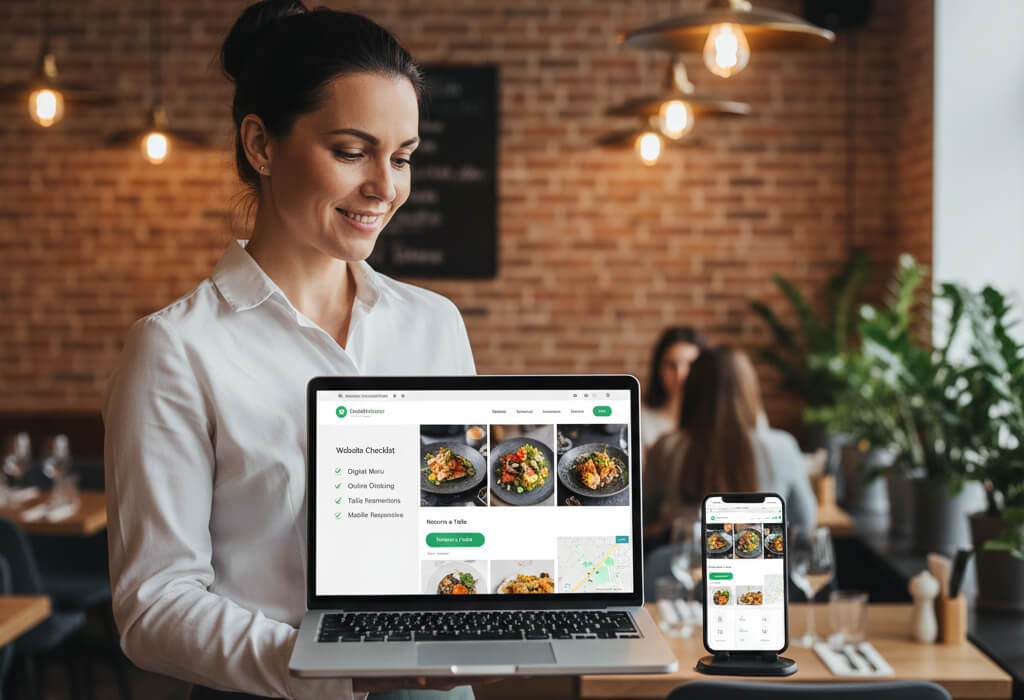
Modern diners expect more than great food—they expect clarity, speed, and confidence before they ever step through your door.
Your website is often the first real interaction customers have with your restaurant. And unlike staff or décor, your website never gets a second chance at a first impression. If it’s slow, confusing, or outdated, diners don’t complain—they simply leave and choose another option.
This modern restaurant website checklist outlines exactly what today’s diners—and search engines—expect. When done right, your website becomes a growth engine that attracts local customers, increases bookings, and reduces dependence on third-party platforms.
Clarity is the foundation of trust.
If diners can’t immediately answer three basic questions—Where are you? When are you open? How do I reach you?—confidence disappears.
Every restaurant website should clearly display:
This information should appear:
Beyond usability, this clarity directly impacts local SEO and Google Maps rankings.
What Every Restaurant Owner Should Know About Google Business Profile.
Most restaurant searches happen on mobile—often when diners are already nearby and deciding right now where to eat.
If your website isn’t built mobile-first, you’re losing customers in real time.
A mobile-first restaurant website:
Google now ranks websites based on their mobile experience first. That means poor mobile design doesn’t just hurt conversions—it hurts visibility.
Mobile‑First Websites: Why Restaurants Can’t Ignore Them.
Speed isn’t a technical detail—it’s a revenue factor.
Slow websites:
Even a delay of a few seconds can cost you impatient diners.
Common speed improvements include:
Restaurants that prioritize performance see immediate gains in engagement and conversions.
The Cost of Not Having a Website for Your Restaurant.
Your menu is the most visited page on your website—and often the deciding factor.
A modern online menu should:
Menus that are cluttered, outdated, or hard to read create friction and doubt. Clear menus build confidence and help diners commit faster.
Why digital menus outperform printed ones:
Online Menus: Why They Matter More Than Printed Ones.
How Digital Menus Improve Guest Experience (and Save Costs).
Diners eat with their eyes first—especially online.
High-quality visuals help diners:
Professional photography increases:
Photos should reflect your brand positioning. A casual neighborhood spot and a fine-dining restaurant should look completely different online.
The Science of Food Photography for Restaurant Websites.
A great website doesn’t just inform—it guides.
Every page should clearly answer: “What should I do next?”
Effective CTAs include:
CTAs should be:
Websites with clear CTAs consistently convert more visitors into real diners.
How to Turn Website Visitors Into Paying Diners.
A modern restaurant website must communicate clearly—not just to people, but to Google.
Local SEO helps search engines understand:
Local SEO essentials include:
Restaurants that invest in SEO don’t rely on luck—they get found consistently.
SEO for Restaurants: How to Get Found Online.
How Restaurants Can Attract Local Customers Through SEO.
Convenience is no longer optional.
Modern diners expect to:
Direct ordering and reservations:
Restaurants that control these systems retain more revenue and more customer data.
Why Small Restaurants Must Invest in Online Ordering.
How to Add Online Ordering to Your Website Without Paying App Fees.
Trust drives decisions—especially for first-time diners.
Your website should reinforce credibility through:
These signals reduce hesitation and reassure diners that others have chosen—and enjoyed—your restaurant.
Reviews also play a role in SEO and click-through rates.
The Restaurant Reputation Playbook: How to Win Diners’ Trust Online.
How Reviews Impact Restaurant SEO (and What to Do About It).
Your website should feel like your restaurant.
Consistency across:
…creates recognition and emotional alignment.
When branding is inconsistent, diners feel uncertainty—even if they can’t explain why.
Restaurant Branding 101: Why Your Online Identity Matters.
Modern restaurant websites don’t guess—they measure.
Analytics help you:
Data-driven decisions lead to smarter marketing and stronger results.
The ROI of a Restaurant Website — What Owners Need to Know.
An outdated website signals neglect.
Regular updates:
Even small updates—new photos, refreshed copy, updated menus—can drive significant results.
Some restaurants have increased bookings by 40% with simple website improvements.
How One Restaurant Increased Bookings 40% With a New Website.
A restaurant website isn’t just an online brochure—it’s your most powerful owned marketing asset.
When built correctly, it:
Use this checklist as your foundation, and your website will work for you—24/7.
Modern diners expect modern websites.
Make sure yours delivers.
Stay up to date with the latest tips, expert insights, product reviews, and step-by-step guides to help you grow, create, and succeed—no matter your industry or passion.