
June 11, 2025
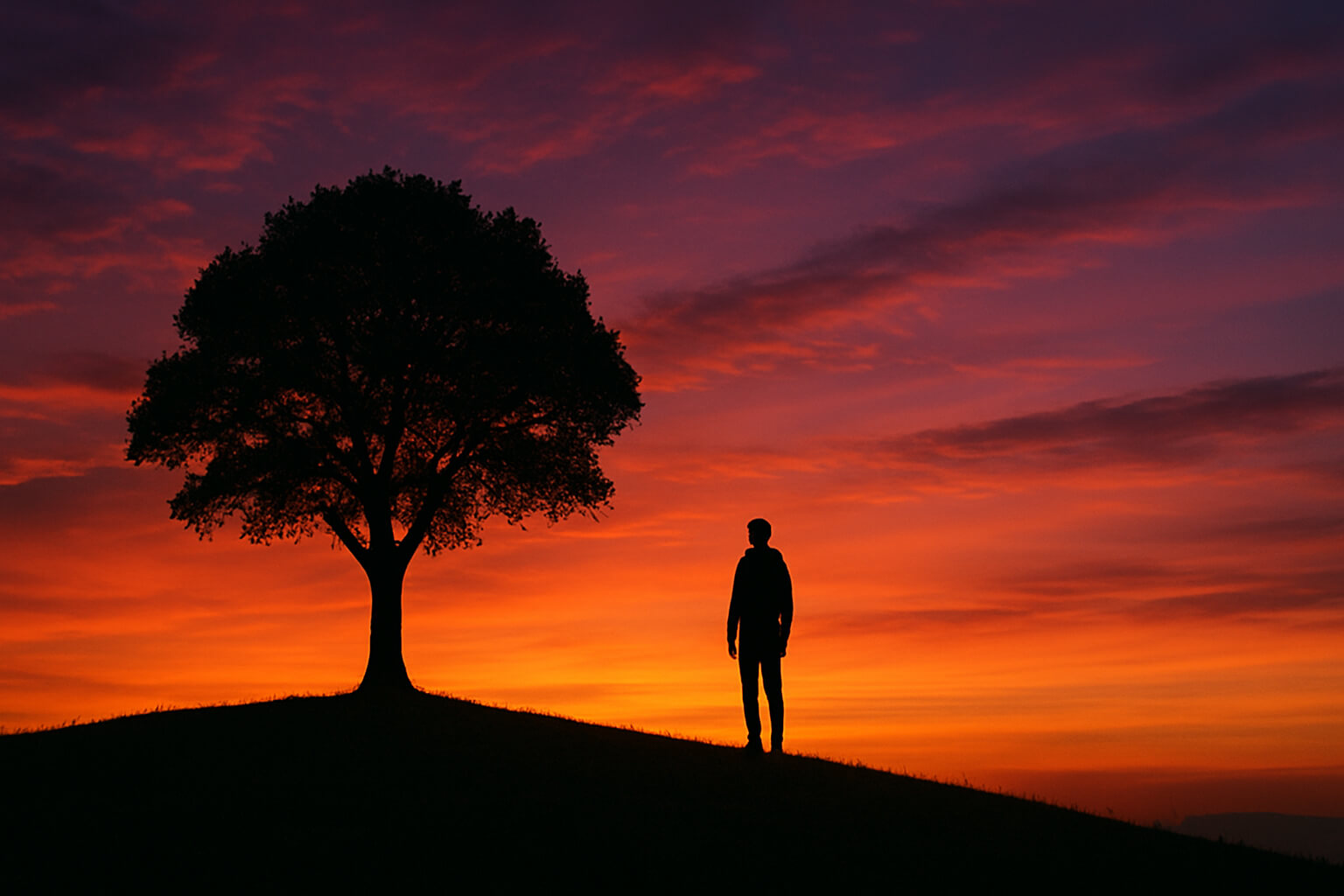
Silhouette photography is one of the most captivating and dramatic styles in the photography world. By using strong contrast and simple composition, silhouette photography transforms ordinary subjects into mysterious, powerful, and evocative images. In this comprehensive guide, we’ll explore the fundamentals of silhouette photography, when to shoot them, how to capture them effectively, and pro tips to take your silhouette shots to the next level.
At its core, silhouette photography involves capturing a subject that is entirely dark (or in shadow) set against a much brighter background. The subject loses all detail, leaving only its outline or shape visible. This contrast creates a high-impact image that conveys emotion, mystery, and often, a sense of narrative.
In silhouette photography, the subject might be anything from a person, animal, or object — and its form is defined by the surrounding light. What makes silhouette photography so powerful is the simplicity of the subject against the stark contrast of the light.
Common Emotional Themes in Silhouettes:
For more on creative approaches, also see: How to Take Professional Looking Photos
Related Articles:
How to Use Natural Light for Stunning Photos
How to Use Contrast in Photography
While you can take silhouette photos with almost any camera, having the right gear can enhance your results and make the process smoother. Here’s a breakdown of the essential equipment for silhouette photography:
Camera: To get the most dynamic range in your silhouette images, you’ll want a camera with a large sensor, such as a full-frame DSLR or a mirrorless camera. These cameras capture more details in both the highlights and shadows, which is essential for silhouettes where the light-to-dark contrast is key.
For beginners, check out: Best Cameras for Beginners in 2025
Lens: Your choice of lens depends on the type of silhouette shot you want. Wide-angle lenses (like 16-35mm) are great for capturing large landscapes and expansive scenes, while telephoto lenses (70-200mm) work better when you want to isolate a subject, such as a person or an animal, against a background.
For portrait silhouettes, check out: Best Lenses for Portrait Photography
Tripod: Silhouettes are often shot in lower light conditions, which may require longer exposures. A tripod helps you stabilize your camera, avoiding unwanted blur, and ensures that your framing stays consistent during longer exposures.
Best options: Best Tripods for Travel and Studio Photography
Filters: An ND (Neutral Density) filter can be a lifesaver when shooting silhouette photos in very bright conditions, such as midday sun. ND filters reduce the intensity of light hitting your lens, allowing for longer exposures while maintaining the desired exposure levels without overexposing the background.
Recommended: Best Filters for Dramatic Landscape Photography
Capturing the perfect silhouette involves careful planning and some technical know-how. Here are the essential steps:
Position the Light Source Behind the Subject
For a true silhouette, always make sure the light source (such as the sun, a light bulb, or a window) is directly behind your subject. The subject will remain dark while the bright background gets exposed, highlighting its outline.
Expose for the Bright Background
Set your camera’s exposure based on the brightest part of your background, not your subject. This ensures the subject is properly silhouetted against the light and remains dark, revealing only the outline.
Use Manual Mode
Shooting in manual mode gives you more control over your exposure settings. Set a smaller aperture (f/8 to f/16) to ensure sharp focus across the entire scene. Adjust your ISO and shutter speed to balance the exposure while maintaining the silhouette effect.
Focus on the Subject’s Edges
The most critical element of silhouette photography is the outline of the subject. Ensure the edges of your subject are well-defined and sharp. A shallow depth of field (by using a larger aperture, like f/2.8) will help create a clean, crisp silhouette.
For more on shooting silhouettes in nature: How to Take Silhouette Landscape Photos at Sunrise
Post-processing is an essential part of silhouette photography. Here’s how you can enhance your images in the editing process:
Increase Contrast
Silhouettes rely on strong contrasts, so don’t be afraid to push the contrast sliders. Deepen the shadows and brighten the highlights to make the dark subject stand out even more against the bright background.
Color Grading
Color grading can enhance the mood of your silhouette image. Apply warm tones, such as oranges and yellows for sunsets or cool blues and purples for night-time shots, to amplify the atmosphere of your photo.
Learn more about color grading: What is Color Grading in Photography
Remove Distractions
Use cloning or healing tools to clean up any distractions that might interfere with the silhouette’s impact. For instance, remove stray objects or unwanted elements from the frame that could distract from the subject’s outline.
Learn how: How to Remove Unwanted Objects from Photos
For more advanced retouching: Best Photo Editing Apps in 2025
Choose Recognizable Shapes
The more distinct and recognizable the shape of your subject, the more impactful your silhouette will be. Think about shooting subjects with well-defined forms like trees, animals, or human figures.
Shoot During Golden Hour
The golden hour provides softer, warmer light that creates stunning silhouettes. The sun’s low angle and diffused light make it easier to capture dramatic outlines without harsh shadows or highlights.
Experiment with Poses or Natural Elements
For human silhouettes, try different poses. For example, a person holding their arms out or a jumping pose can create visually interesting shapes. Nature elements, like birds in flight or a tree with an interesting branch structure, can also work beautifully in silhouette photography.
Use Reflections
Reflections in water, glass, or shiny surfaces can double the drama of your silhouette shots. Experimenting with reflections can create symmetrical and compelling images.
Learn more: How to Take Creative Reflection Photos in Puddles and Mirrors
Silhouette photography is an art form that allows you to create images full of emotion, mystery, and storytelling. By understanding the basics of exposure, positioning your light source, and experimenting with different techniques, you can start creating powerful silhouette images right away.
With these tips and techniques, you’ll be well on your way to mastering silhouette photography and capturing stunning images that leave a lasting impact on your audience. Happy shooting!
Stay up to date with the newest tips, gear reviews, and step-by-step guides to elevate your photography journey from home and beyond.


