
June 09, 2025
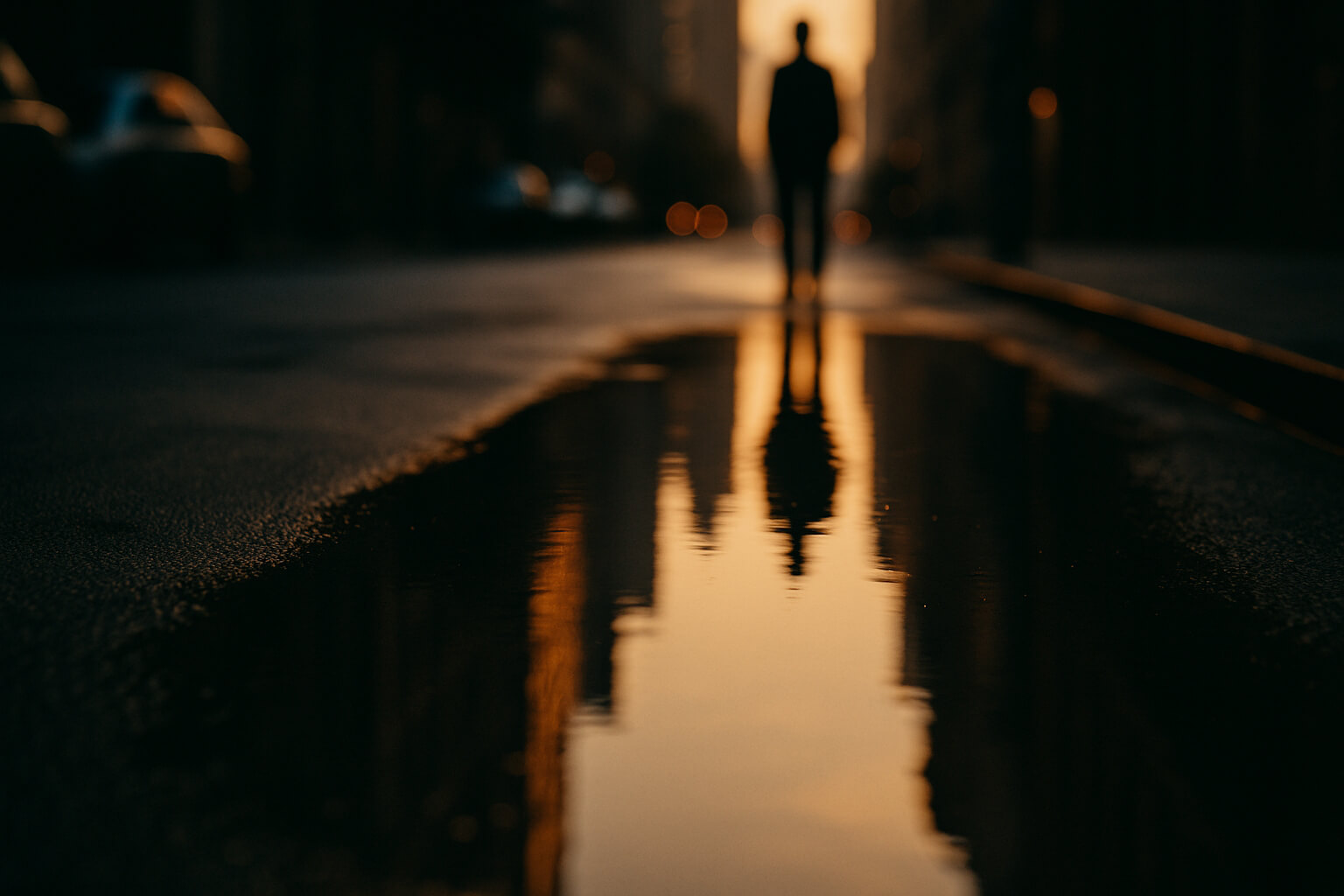
Reflection photography turns everyday surfaces like puddles and mirrors into powerful storytelling tools. By capturing the reflected world, you create images rich in depth, contrast, and mystery. This guide walks you through the entire process — from finding the right reflective surface to editing your final image — with detailed tips and recommended gear.
The foundation of great reflection photography is the surface you choose. The clarity, texture, and environment all influence your shot’s mood and visual impact.
Pro Tip: When shooting puddles, get as close as possible to the surface. This low angle compresses the foreground and strengthens the reflected image, often blending real and reflected worlds beautifully.
How you position your camera relative to the reflective surface can transform a simple reflection into a captivating photograph.
Light dramatically influences the quality, mood, and clarity of reflections.
Achieving sharp, focused reflections requires thoughtful camera settings.
Editing is where you can amplify the mood and storytelling potential of your reflection photos.
Reflection photography is a beautiful exercise in observation, patience, and creativity. Whether you’re shooting a puddle after the rain or an artfully positioned mirror, mastering perspective, light, focus, and editing will unlock stunning visual stories.
Embrace imperfections—ripples, dirt, and cracks often add character and mood. Most importantly, practice regularly and experiment fearlessly.
Related Reads:
Stay up to date with the newest tips, gear reviews, and step-by-step guides to elevate your photography journey from home and beyond.


