
August 07, 2025
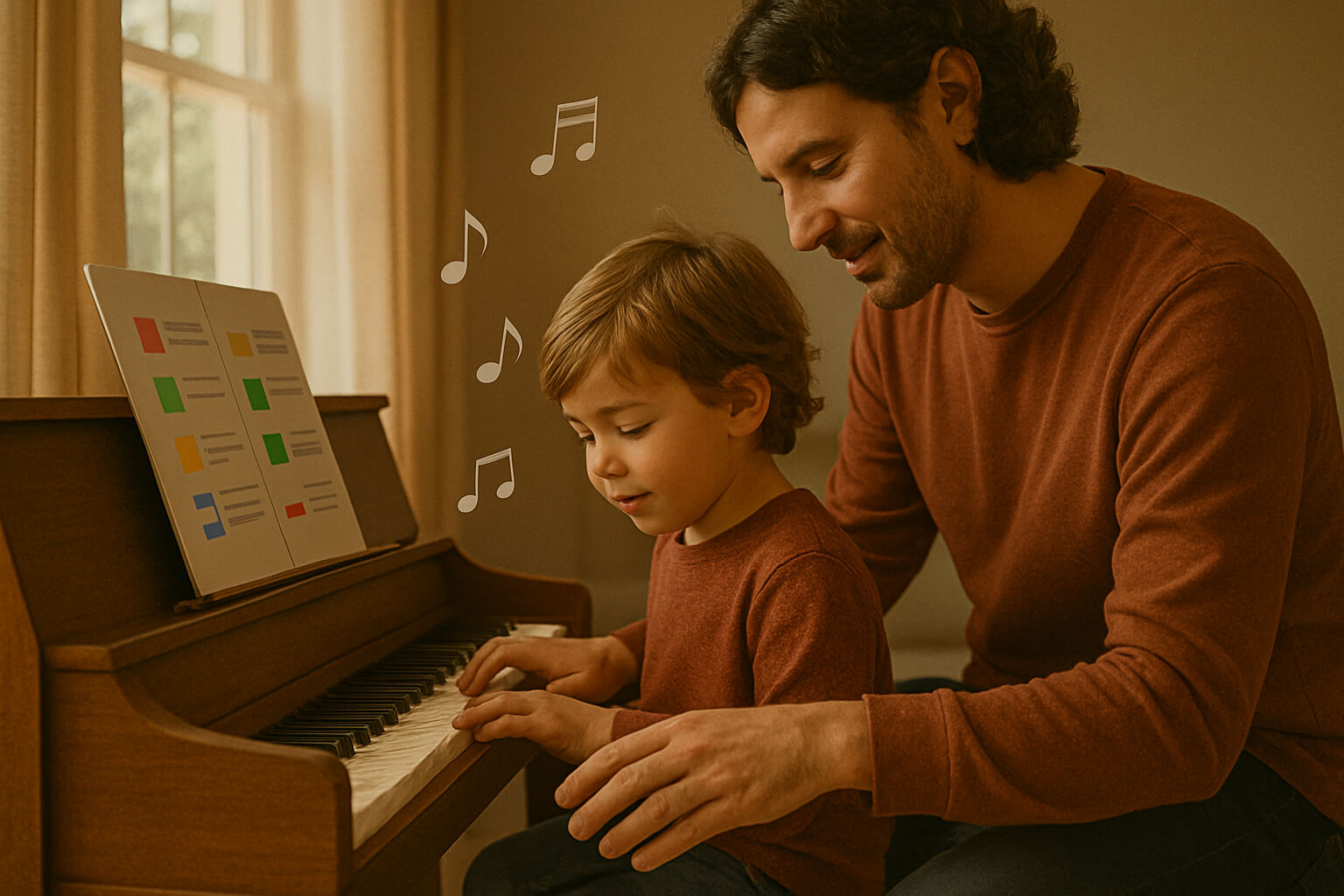
One of the most common questions parents and aspiring musicians ask is:
"When is the right age to start music lessons?"
The short answer is—it depends. While many believe early childhood is ideal, others successfully start as teenagers or even adults. This article explores the science, psychology, and practical considerations behind the best age to start music lessons, and includes expert insights and references to help you decide.
Age can influence how quickly someone picks up an instrument, but it’s not the only factor. Cognitive development, motor skills, emotional maturity, and motivation all play major roles. Let’s break it down:
At this stage, children are highly receptive to sound, rhythm, and melody. Many experts recommend starting with general music exposure rather than formal lessons. Programs like Kindermusik or Suzuki violin training often focus on ear training, rhythm games, and movement.
This is considered a sweet spot for starting music lessons. By this age, children have:
According to guide on music reading, children around 7–9 can start reading notes and understanding rhythmic structures effectively.
Preteens and teens have the cognitive capacity to grasp music theory, practice more independently, and make decisions about musical genres or goals.
This is also a great age to start digital production using tools like DAWs (Digital Audio Workstations). Check out this helpful breakdown:
Digital Audio Workstations Explained
Many believe they’ve “missed the boat” if they didn’t start young, but the truth is—motivation trumps age.
According to article on breaking through plateaus, adult learners often progress faster due to stronger focus, self-discipline, and clearly defined goals.
There’s no universally "perfect" age to start music lessons. The right age is the one where the learner is ready, motivated, and supported.
Whether you’re a parent introducing your child to music or an adult pursuing a lifelong dream—it’s never too early or too late to begin.
🎧 "The best time to plant a tree was 20 years ago. The second-best time is now." – Chinese Proverb
Describe the person’s interest, experience, available time, and the kind of activity they want to try. Ask the teacher how they assess a starting point and adapt the first sessions. A general age recommendation cannot describe every learner or every instrument, teaching arrangement, and practical setting.
For a child, include the adult who will support scheduling and practice when appropriate. Ask what participation is expected between lessons and what equipment or materials are needed. Keep the conversation focused on the proposed learning arrangement rather than treating a birthday as proof of readiness.
A trial activity can help you understand whether the instructions and setting are manageable. Notice whether the learner can engage with the task, ask for clarification, and return to it after a short pause. These observations describe that activity; they do not diagnose ability or establish a permanent learning limit.
Ask the teacher what they noticed and what they would change next. The most useful feedback gives a specific next step and explains its purpose. Avoid judging the entire decision from one successful or difficult attempt. New settings, unfamiliar instruments, and different teaching styles can affect the experience.
Confirm the current lesson format, scheduling, materials, equipment needs, and provider terms. Decide where practice can take place and how it will fit around other commitments. A suitable arrangement should be understandable to the learner and to anyone helping organize it.
Keep early goals modest and observable, such as becoming familiar with an instrument or following a short musical pattern. Ask how the provider would review progress and how you should raise concerns. If the plan requires more support or time than you can provide, discuss an alternative arrangement before making assumptions about the learner’s motivation.
Choose a point at which to discuss the experience again. Review enjoyment, understanding, practical participation, and the next suitable task. Keep those observations separate from expectations about rapid achievement or comparison with other learners.
The decision can change as interests and circumstances change. Someone may benefit from a different instrument, group setting, teacher, or pace. Use the provider’s feedback and the learner’s experience to choose the next step. The question is whether a particular learning arrangement is useful now, rather than identifying one universal age that guarantees success.
Ask how the first task is chosen, what materials will be used, what support is expected between sessions, and how the plan can be adjusted. Also ask how to communicate when something is unclear. Clear answers make it easier to evaluate the arrangement without relying on broad promises about age or talent.
Stay up to date with the latest tips, expert insights, product reviews, and step-by-step guides to help you grow, create, and succeed—no matter your industry or passion.


