
January 16, 2026
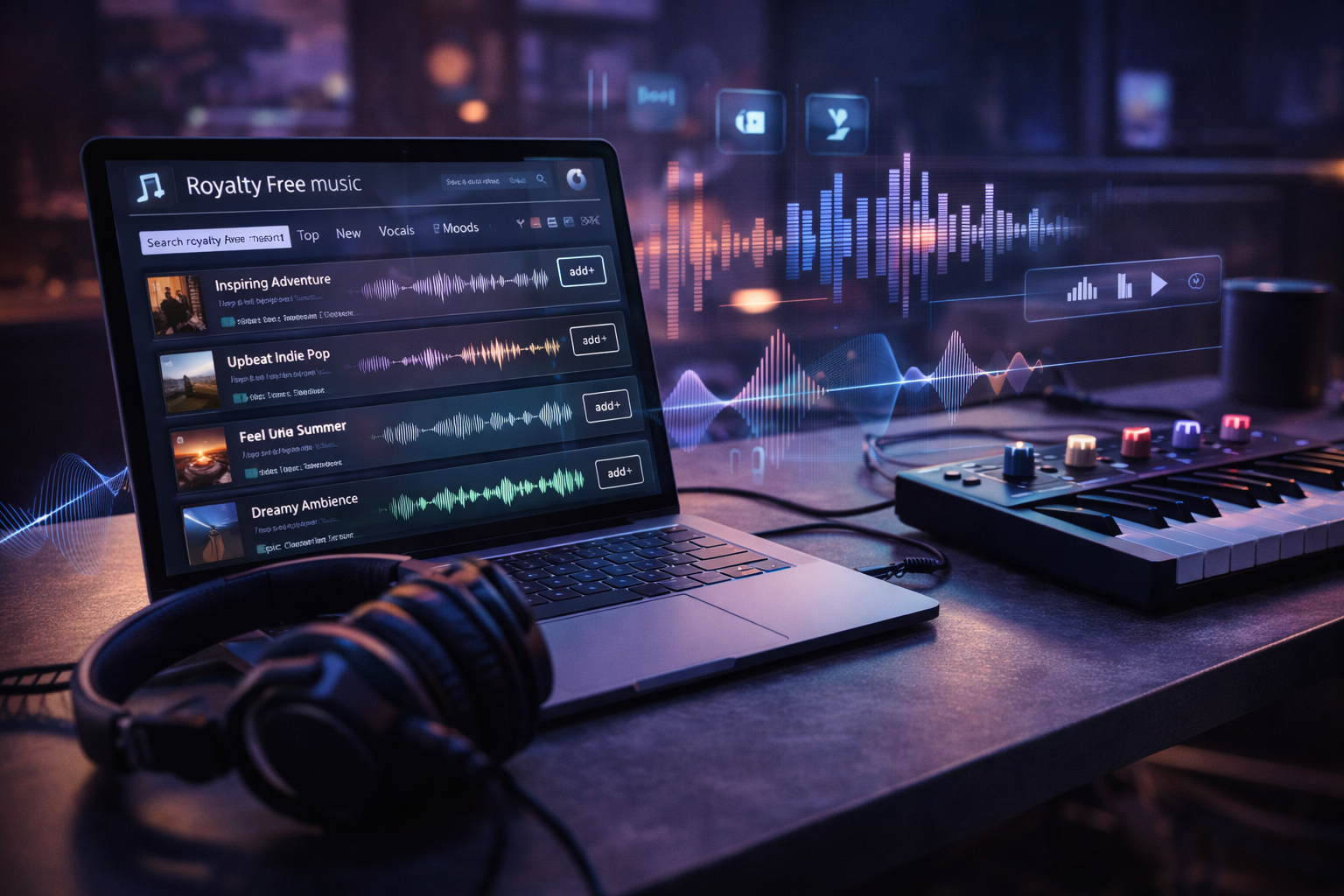
A Complete Guide for Creators, Musicians, YouTubers, and Indie Artists
Finding free and legal music downloads in 2026 is no longer just about saving money—it’s about protecting your content, your brand, and your income.
As copyright enforcement becomes automated and AI-driven, creators now face stricter scrutiny across platforms like YouTube, TikTok, Instagram, Spotify, Twitch, and podcast networks. At the same time, licensing models are evolving, and AI-generated music has reshaped what “original” really means.
Whether you’re a content creator, filmmaker, podcaster, game developer, or independent artist, this guide walks you through the most reliable platforms and educational resources to help you download music legally—and confidently use it in commercial projects.
Copyright enforcement in 2026 is no longer manual. Platforms now use AI-based fingerprinting systems that analyze melodies, rhythms, stems, and even AI-generated compositions.
Using the wrong track—even unintentionally—can result in:
What’s changed is that intent no longer matters—only licensing proof does.
If you want to truly protect yourself, understanding the fundamentals of ownership and usage rights is essential. A strong starting point is How Music Royalties Work – A Comprehensive Breakdown for Artists, which explains publishing rights, master ownership, performance royalties, and how creators get paid (or penalized).
Not all “free music” is equal. In 2026, free music generally falls into one of these categories:
The safest option for creators is explicitly licensed royalty-free music, especially when monetization is involved.
Curated libraries remain the gold standard for creators who need music that’s:
Related reading: How to Build a Music Reference Library for Creative Projects.
This pack is especially valuable for:
Related reading: How to Compare Music Download Services.
Attribution requirements can complicate brand deals and client work. That’s why many creators now prefer no-attribution-needed music.
Related reading: Music Download Checklist: Source, Quality, and Usage Terms.
These tracks are ideal for:
High-quality MP3s remain the most compatible format across platforms in 2026, especially for short-form content.
Time is the most valuable resource for creators.
Instead of endlessly searching for “safe” tracks, many professionals now rely on subscription-style music drops.
Related reading: How to Choose a Music Discovery Newsletter.
AI music is now mainstream—but licensing transparency is everything.
Many AI tools still operate in legal gray areas, especially regarding training data and output ownership. That’s why it’s critical to use platforms that clearly define commercial usage rights.
Related reading: How to Evaluate AI Music Tools for a Creative Workflow.
To get the most out of AI music tools, understanding digital music structure is key. Pairing AI creation with The Basics of MIDI – How It Works and Why It Is Essential for Production gives you far more control over tempo, instrumentation, and arrangement.
Most licensing mistakes happen due to lack of musical knowledge, not bad intentions.
By learning basic music concepts, creators can:
Start with The Ultimate Guide to Music Reading for Beginners – Notes, Rhythms, and Symbols and expand your understanding with The Benefits of Learning Music Theory.
Related reading: Beginner Guitar Chord Practice Checklist; Seven-Day Beginner Piano Practice Plan.
Each platform enforces licensing differently. A track cleared for podcasts may not be cleared for YouTube monetization or paid ads.
Before uploading, creators should review Navigating Music Licensing for YouTube Creators – Best Practices to avoid silent claims or delayed demonetization.
Once your content is legally sound, growth becomes easier. How to Promote Your Music on Social Media – A Platform-by-Platform Guide shows how consistent, compliant music usage improves reach and algorithm trust.
Many creators in 2026 are shifting from downloads to original production for full ownership.
If that’s your goal, start with Building Your Home Studio – Essential Gear and Setup Guide and understand the backbone of your setup through Understanding Audio Interfaces – What They Do and How to Choose.
To polish your sound, dive deeper into mixing fundamentals like Understanding Equalization – Shaping Your Sound and Reverb and Delay – Adding Depth to Your Mixes.
Related reading: How to Prepare for a Music Production Consultation.
Related reading: Music Service Trial Checklist for Creative Projects.
In 2026, free music doesn’t mean unsafe music—but only if you choose the right sources.
The best websites for free and legal music downloads now combine:
By relying on trusted platforms and continuously improving your music knowledge, you can create content that’s legally protected, algorithm-friendly, and professionally polished—without fear of takedowns or claims.
Use a specific project brief when comparing sources. Save the title, creator or supplier, source page, version, date checked, and relevant instructions for each shortlisted recording. A broad recommendation of a website is not a complete review of every file it hosts or every purpose a listener might have.
Keep listening references separate from material selected for production. If information needed for the proposed use is missing, mark the question and ask the provider or obtain appropriate advice. Avoid replacing uncertainty with a general promise that all free downloads have identical conditions.
Try the candidate in a small draft and record why it fits musically. Check the beginning, ending, and any transition under speech or picture. Keep a usable alternative where practical and document a replacement separately. Before release, connect the final file with its source record and confirm that any remaining task has an owner. This turns a list of websites into a selection process another editor can understand.
Stay up to date with the latest tips, expert insights, product reviews, and step-by-step guides to help you grow, create, and succeed—no matter your industry or passion.


