
September 17, 2025
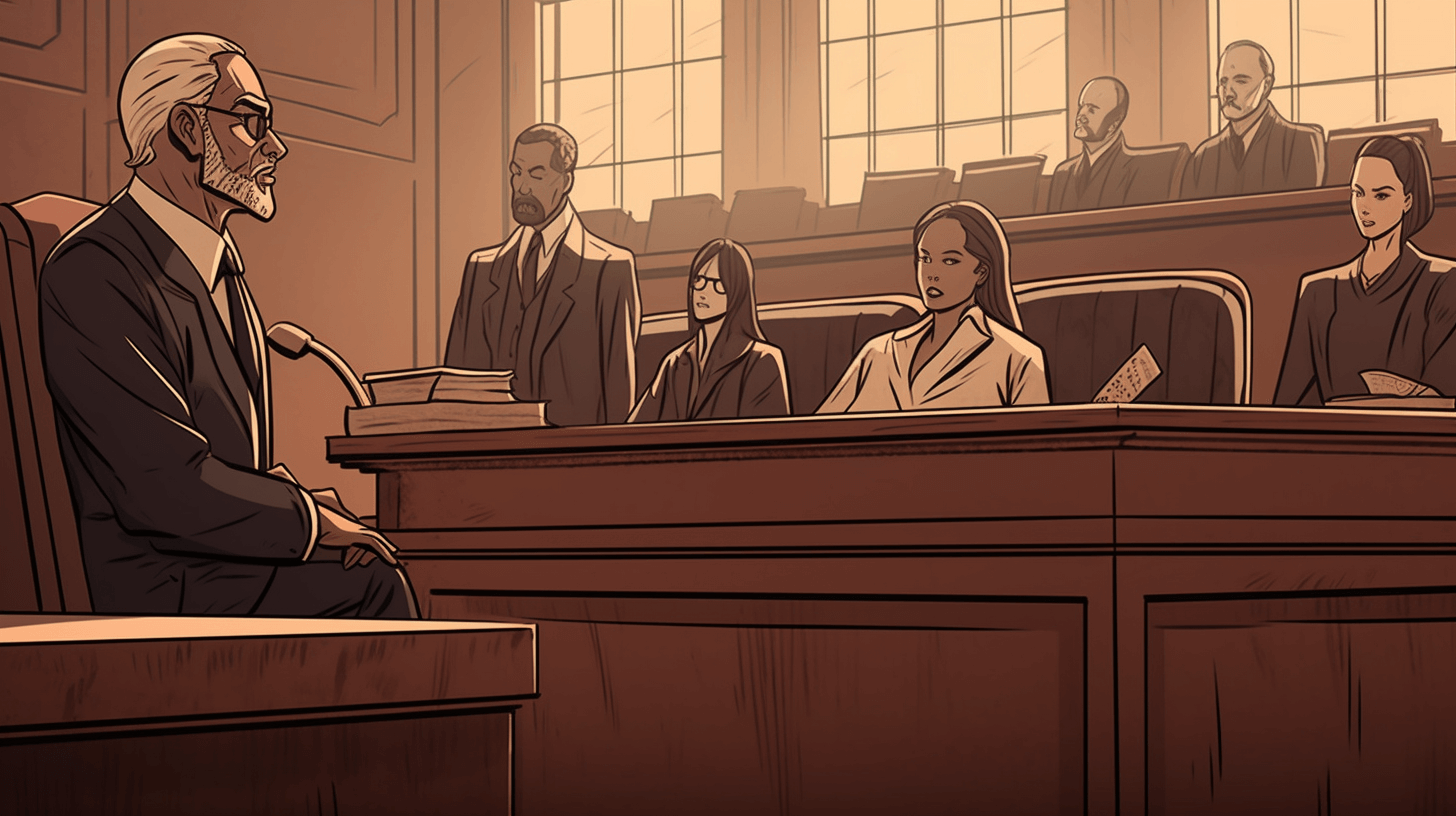
An appeal is one of the most misunderstood parts of the justice system. Many people believe it is simply a second chance to argue the same case or to present new evidence. In truth, the legal side of an appeal is far more complex. Appeals are not new trials but legal reviews — examinations of whether the law was applied correctly in the original proceeding.
The appeal process demands specialized knowledge. It requires attorneys who can sift through trial records, identify errors, and craft precise arguments for appellate judges. Much like pardons and parole hearings, discussed in
The Legal Side of a Pardon, appeals are often a client’s last opportunity for relief. This article explores the legal side of appeals: what they are, how they work, why legal representation is essential, and how expertise across practice areas strengthens appellate advocacy.
An appeal is a request for a higher court to review the decision of a lower court. Unlike a trial, appeals focus on the record — the transcripts, evidence, and rulings made during the original case.
Key distinctions:
Appeals exist to ensure fairness and the proper application of law, not to relitigate facts.
Courts only consider appeals when legal errors are alleged. Common grounds include:
These issues echo those found in trial-level defense. For instance, How a Lawyer Can Challenge Evidence in a Criminal Case illustrates how evidentiary disputes can form the basis for appeals.
Each stage requires precision. A missed deadline or poorly drafted brief can end an appeal before it begins.
Appeals require different skills than trials. Trial lawyers focus on persuading juries with facts; appellate lawyers persuade judges with law. They must:
As in parole hearings and pardons, legal experience shapes outcomes. A client without strong representation is at a significant disadvantage.
These challenges underscore why appeals should never be attempted without specialized counsel.
Appeals arise in both criminal and civil cases.
Appeals are common in family law, where custody and support decisions have lifelong impacts. Client Success Story: Navigating a Difficult Child Custody Battle illustrates how trial-level decisions may later be challenged in appellate courts when rights and relationships are at stake.
Business disputes often continue through appeals, especially when millions are at stake. The Business Law Firm Difference in Corporate Litigation shows the kind of high-stakes conflicts that frequently lead to appellate review.
Estate matters also generate appeals, particularly will contests and trust disputes. Insights from Estate Planning Case Study: Protecting Families and Assets apply when families appeal probate rulings.
Clients facing appeals are often anxious and exhausted from prior litigation. Clear communication is critical. Why Communication Matters When Choosing a Law Firm underscores the importance of trust and guidance throughout the process.
Cost clarity is equally important, as seen in A Guide to Our Fee Structure for Criminal Defense Cases. Appeals can be expensive; clients deserve transparency from the start.
Appeals demand seasoned attorneys with deep legal knowledge. Meet Our Business Law Team: A Look at Our Experience and Credentials shows how expertise builds credibility.
Case studies across practice areas reinforce this point:
Appeals safeguard justice. They correct errors, clarify laws, and ensure fairness across the legal system. Just as pardons and parole hearings offer second chances, appeals affirm the rule of law by holding courts accountable.
For families, businesses, and individuals, the appellate process often represents hope — hope that errors can be corrected and futures restored.
The legal side of an appeal is complex, high-stakes, and deeply technical. It is not simply a “do-over” but a rigorous legal process requiring specialized skill. Like pardons and parole hearings, appeals demand careful preparation, persuasive advocacy, and the right legal team.
Whether in criminal defense, family disputes, business conflicts, or estate matters, the appellate process shapes lives and futures. With experienced representation, an appeal can mean not just contesting a ruling, but restoring justice.
Stay up to date with the latest tips, expert insights, product reviews, and step-by-step guides to help you grow, create, and succeed—no matter your industry or passion.