
How to Launch a Beautiful Restaurant Website in One Weekend

December 30, 2025

By RocketPages

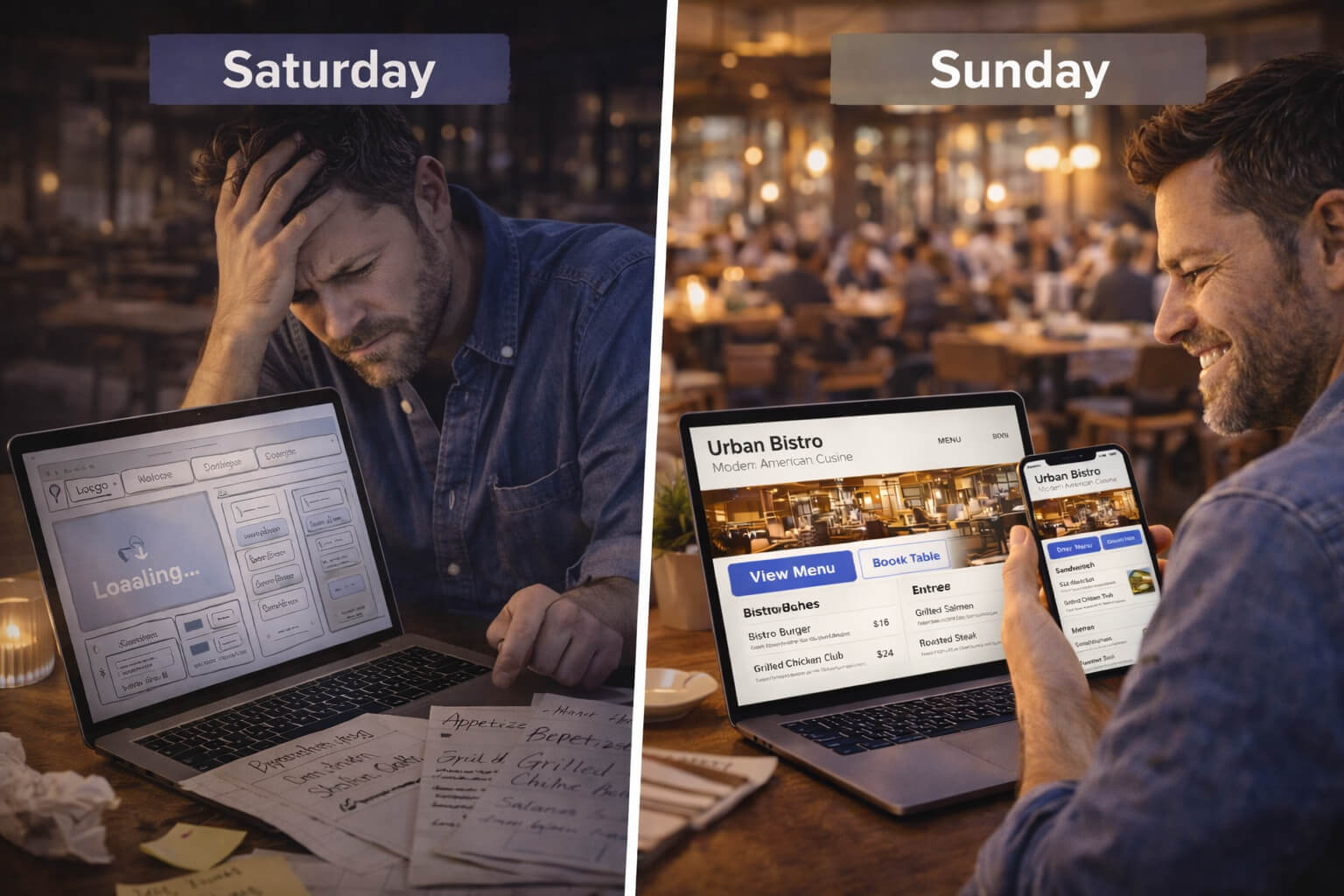
Restaurant owner launching a modern, mobile-friendly restaurant website in one weekend with online menu, reservations, and location details visible on screen.

Most restaurant owners delay launching a website because they think it takes months, requires a huge budget, or demands advanced technical skills. In reality, you can launch a high-converting restaurant website in just one weekend—with a clear focus, strategy, and the right tools.


You don’t need a placeholder.


You don’t need a "coming soon" page.


You need a real website that drives diners, increases bookings, and builds trust.


Let’s break down exactly how to launch your restaurant website in a weekend—step by step.


Why Speed Matters More Than Perfection


An imperfect website today is far better than a perfect one six months from now. Every week without a website means:


  • Lost Google searches
  • Missed walk-ins
  • Dependence on third-party platforms like Yelp, TripAdvisor, and food delivery apps


The cost of delay is higher than most restaurant owners realize. The sooner you launch your website, the sooner you can start attracting customers and building your online presence.


The Cost of Not Having a Website for Your Restaurant


What a “Weekend-Ready” Restaurant Website Needs


You don’t need dozens of pages. You need clarity, simplicity, and conversion. A solid weekend launch should include:


  • Homepage with your restaurant’s location and value proposition
  • Menu page (optimized for mobile devices)
  • Contact page with directions, phone number, and a contact form
  • Call-to-action (CTA) for reservations or ordering


By focusing on these key elements, you’ll create a clear, functional website that gets results without overcomplicating the process.


The Ultimate Restaurant Website Checklist


Day 1 (Morning): Lock the Essentials


Start with content—not design. You need to set the foundation for your website, and the best way to do this is to focus on clear, essential information first.


Prepare these key pieces:


  • Restaurant name, address, phone number (NAP—critical for SEO)
  • Opening hours (ensure these are updated, especially for holidays)
  • Short brand story or tagline (what makes your restaurant unique?)
  • Menu (text-based for quick SEO and mobile viewing)


Why This Matters:

  • Clear, well-structured information not only builds trust but also improves local SEO. Google rewards websites that are well-organized and easy for both users and search engines to understand.


SEO for Restaurants: How to Get Found Online


Day 1 (Afternoon): Design for Mobile-First


Most diners will visit your website on their phone—sometimes while standing just outside your restaurant. Mobile-first design isn’t just an option; it’s essential.


Focus on:


  • Fast loading times (no large images that slow down your site)
  • Large, readable menus (you don’t want anyone to pinch and zoom to see your dishes)
  • One-tap actions for calling your restaurant or getting directions


Why It Matters:

  • With mobile-first design, your restaurant website will rank better on Google and offer an easy-to-navigate experience for diners on the go. If they can't find what they need quickly, they’ll likely leave for a competitor.


Mobile-First Websites: Why Restaurants Can’t Ignore Them


Day 1 (Evening): Add Visual Confidence


You don’t need a professional photoshoot to build a trustworthy restaurant website. A few strong, high-quality visuals go a long way. Add:


  • Best-selling dishes (pictures that show your food at its best)
  • Interior or ambiance shots (make your restaurant look inviting)
  • A clean hero image (the first image people see should give them a feel for your place)


Why It Matters:

  • Visuals are the most powerful way to build emotional trust with diners. People decide if they want to visit based on the food they see and the atmosphere they imagine.


The Science of Food Photography for Restaurant Websites


Day 2 (Morning): Optimize for Local Discovery


This is where many weekend websites fail—and where you can win big.


Optimize your website for local search by adding:


  • Embedded Google Map (helps Google understand where your restaurant is located)
  • Location-based keywords (e.g., “best pizza in [city]” or “Italian food near [neighborhood]”)
  • Consistent NAP (ensure your Name, Address, and Phone number are accurate everywhere)


Why It Matters:

  • When your website is optimized for local discovery, it improves your chances of showing up in “near me” searches and Google Maps results. This is critical for attracting diners who are actively searching for a restaurant in your area.


How to Optimize Your Website for Near Me Searches

How Restaurants Can Attract Local Customers Through SEO


Day 2 (Midday): Add Booking or Ordering


A simple call-to-action (CTA) can dramatically improve your results. Consider adding:


  • Table reservation link (with easy-to-use booking systems)
  • WhatsApp call button (for instant communication)
  • Direct online ordering option (this helps you avoid commission fees from third-party apps)


Why It Matters:

  • Restaurants that enable direct online ordering reduce reliance on apps like UberEats and GrubHub, saving on high commission fees and gaining better customer data. Similarly, reservations on your website keep diners coming directly to you.


How to Add Online Ordering to Your Website Without Paying App Fees

Why Small Restaurants Must Invest in Online Ordering


Day 2 (Afternoon): Build Instant Trust


You don’t need years to build trust; you just need the right trust signals on your website. Add:


  • Google reviews (embed your best reviews to showcase social proof)
  • Testimonials (from regular customers or food critics)
  • Clear policies (like COVID-19 protocols, payment options, etc.)


Why It Matters:

  • Trust is one of the most critical factors for converting website visitors into real customers. Reviews and testimonials are powerful tools for building credibility and influencing decisions.


How Reviews Impact Restaurant SEO and What to Do About It

The Restaurant Reputation Playbook: How to Win Diners’ Trust Online


Day 2 (Evening): Publish and Promote


Once your website is live, it’s time to get the word out:


  • Link your site from your Google Business Profile
  • Add it to your Instagram bio
  • Share it with your regular customers (through email, text, or social media)


Why It Matters:

  • Your website needs traffic to succeed. Promoting your site on platforms you already use ensures that your regulars and potential customers know how to find you online.


Why Link-in-Bio Isn’t Enough: The Case for Restaurant Websites

Why Every Restaurant Needs a Website in 2025


Real Results: Fast Websites Drive Real Growth


Restaurants that launched quickly and optimized their websites later saw immediate improvements. For example, one restaurant increased bookings by 40% after improving its website’s experience.


How One Restaurant Increased Bookings by 40%


Final Thoughts: One Weekend Can Change Everything


You don’t need months.


You don’t need complexity.


You need clarity, speed, and focus.


A well-executed weekend website launch can:


  • Increase visibility
  • Build trust
  • Drive foot traffic
  • Reduce reliance on third-party platforms


By Monday, your restaurant can be open online—even if it wasn’t on Friday.


Ready to launch? Reach out if you need help with any of the steps, or if you have questions about optimizing your website for maximum results.

Recent Articles

Stay up to date with the latest tips, expert insights, product reviews, and step-by-step guides to help you grow, create, and succeed—no matter your industry or passion.