
December 23, 2025
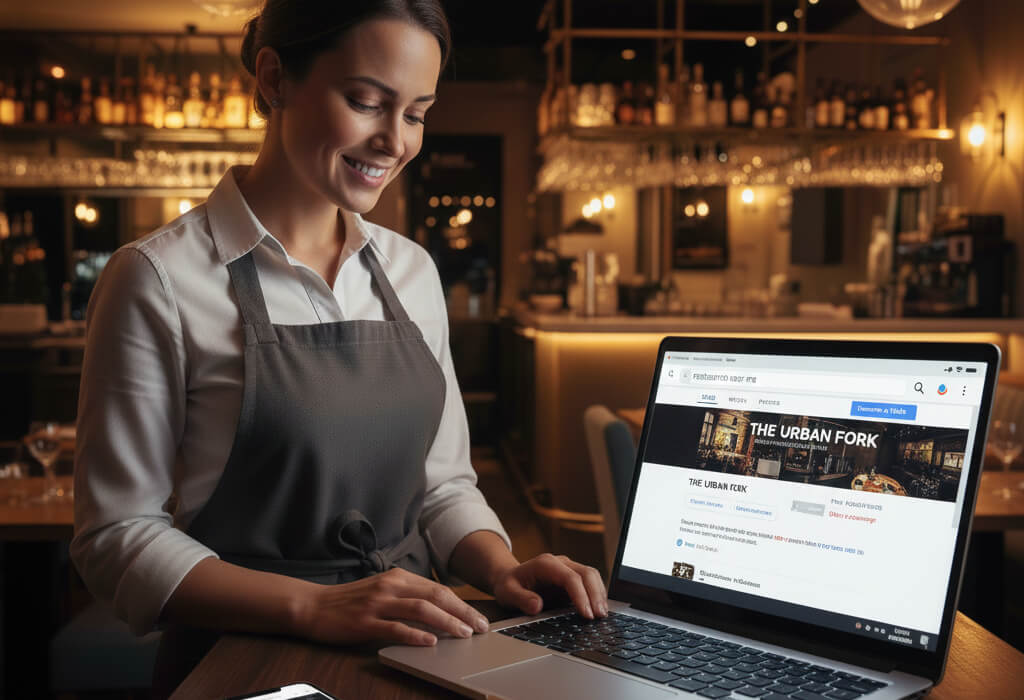
Yelp and TripAdvisor influence how millions of diners discover restaurants, but they were never built to help restaurants grow sustainably. They are discovery platforms optimized for comparison, advertising, and platform retention — not for your profitability, brand equity, or long-term customer relationships.
When restaurants rely too heavily on these platforms, they unknowingly give up control over pricing perception, customer data, and the dining journey itself. The restaurants that are winning in 2025 aren’t trying to outspend Yelp or outgame its algorithm — they’re building websites that outperform directories in search, trust, and conversion.
A strong restaurant website doesn’t replace Yelp or TripAdvisor.
It renders them optional.
Third-party platforms are designed to serve diners, not restaurants. Their goal is to keep users browsing, comparing, and clicking ads — not to send customers directly to you as efficiently as possible.
When a diner lands on Yelp or TripAdvisor:
Even if a customer chooses you, the platform owns the interaction. You don’t receive full customer data, you can’t easily retarget that diner, and you have no control over the next step in their journey.
Your website completely reverses this dynamic.
On your website:
This is why restaurants that invest in strong websites see better long-term ROI, higher margins, and more repeat business: The ROI of a Restaurant Website: What Owners Need to Know
Your website is not a cost — it’s a profit multiplier.
Yelp and TripAdvisor pages are intentionally cluttered. They are designed to encourage exploration, comparison, and scrolling — which is the opposite of what a restaurant needs.
Your website should be designed around decision clarity.
A high-performing restaurant website anticipates diner hesitation and removes it step by step. Every section should answer a specific question:
That requires more than attractive visuals. It requires structure and intent.
A conversion-focused website:
Design is not about aesthetics alone — it’s about guiding behavior.
This checklist outlines every element diners subconsciously expect: The Ultimate Restaurant Website Checklist: From Menus to Mobile UX
Yelp ranks well because it has massive domain authority — but authority alone is no longer enough. Google increasingly prioritizes relevance, experience, and satisfaction.
Directories aggregate content.
Restaurants create original content.
That difference matters.
Your website can outrank Yelp because it provides:
To compete with Yelp in search, your site must clearly communicate:
This involves:
This guide explains how restaurants systematically outrank directories: SEO for Restaurants: How to Get Found Online
Google wants to rank the best answer, not the biggest brand.
Yelp and TripAdvisor are designed to keep users inside their ecosystem. Every click away is friction for them — but that friction is profit for you.
Direct bookings and ordering shift control back to the restaurant.
When diners book or order directly:
Beyond revenue, direct actions also send powerful signals to Google. When users complete bookings or orders on your site, Google interprets that as successful intent satisfaction — which supports better rankings.
Restaurants that prioritize direct ordering consistently outperform those dependent on apps:
Your website should be the shortest distance between hunger and fulfillment.
On Yelp, your visual identity is uncontrolled. Anyone can upload poorly lit, unflattering, or misleading photos that shape perception permanently.
Your website is your chance to reset the narrative.
Professional food photography:
High-performing restaurant websites use visuals strategically:
These images aren’t decorative — they’re persuasive assets.
This is why food photography directly impacts website performance: The Science of Food Photography for Restaurant Websites
People decide where to eat visually long before they read reviews.
Yelp frames trust through ratings and recency, often without context. A single negative review can overshadow years of consistency.
Your website allows you to curate trust intentionally.
Instead of raw feeds, you can:
This doesn’t mean hiding criticism — it means presenting your restaurant as a real, human business rather than a scorecard.
Trust is built through:
This guide explains how restaurants build trust beyond star ratings: The Restaurant Reputation Playbook: How to Win Diners’ Trust Online
Third-party platforms own traffic — but they don’t share relationships.
Your website should be the place where anonymous visitors become known customers.
With the right structure, you can:
This transforms marketing from reactive to intentional.
Here’s how restaurants use websites to build real loyalty:
Customer data is not just marketing leverage — it’s business resilience.
Most dining decisions happen on mobile devices, often minutes before action. Yelp’s mobile experience is cluttered by ads, pop-ups, and competitor listings.
Your website should feel calm, fast, and decisive.
A mobile-first restaurant website:
Mobile experience directly influences:
Why mobile-first design is critical: Mobile-First Websites: Why Restaurants Can’t Ignore Them
Speed and clarity win hungry customers.
Yelp is a directory.
Your website should be the center of your marketing ecosystem.
A strong website:
Instead of sending traffic to platforms you don’t control, everything should lead back to your site — where value compounds over time.
This explains how your website supports the full restaurant marketing funnel: The Restaurant Marketing Funnel: How Your Website Brings Diners to Your Door
Your website is not a destination — it’s the engine behind growth.
Restaurants that invest in their own digital foundation consistently outperform those dependent on third-party platforms.
One restaurant increased bookings by 40% after upgrading its website and online presence: How One Restaurant Increased Bookings 40% with a New Website
The pattern is consistent:
Yelp and TripAdvisor can help diners discover you — but discovery alone doesn’t build a business.
Your website is the only place where:
If you want to beat Yelp and TripAdvisor, don’t fight them inside their ecosystem.
Build a better one — and invite diners into a space you fully own.
Stay up to date with the latest tips, expert insights, product reviews, and step-by-step guides to help you grow, create, and succeed—no matter your industry or passion.