
January 06, 2026
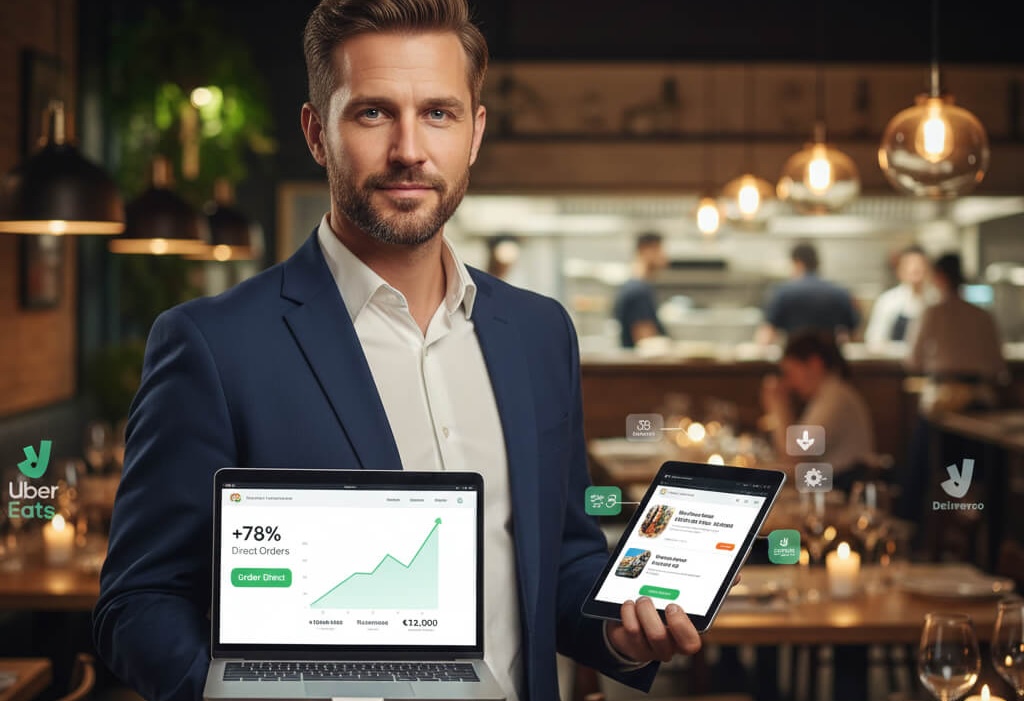
Delivery apps once promised easy growth. More reach. More orders. Less marketing effort.
But for many restaurants, that promise came with hidden costs: shrinking margins, lost customer relationships, and a growing dependence on platforms they don’t control.
Today, a clear pattern is emerging.
The fastest-growing restaurants aren’t abandoning delivery—but they are shifting power back to their own websites through direct ordering.
Direct ordering isn’t just about avoiding fees.
It’s about ownership, efficiency, trust, and long-term resilience.
Here’s why this shift is accelerating—and how restaurants are growing faster by taking control.
At first glance, delivery apps look convenient. They handle discovery, payments, and logistics.
But beneath that convenience is a costly tradeoff.
Restaurants that rely heavily on third-party platforms often experience:
In practice, this means restaurants work harder while keeping less—and build someone else’s brand instead of their own.
This structural problem is explored in Cut the Middleman: Future-Proof Your Restaurant With Direct Website Inquiries, which explains how third-party platforms quietly lock restaurants into dependency.
Similarly, Competing With Delivery Apps: Why Direct Ordering Wins breaks down why platforms prioritize their marketplace—not individual restaurants.
Convenience without ownership isn’t growth.
It’s outsourcing your future.
When customers order directly through a restaurant’s website, the economics change immediately.
Direct orders mean:
Even shifting 10–20% of orders from third-party apps to direct channels can have a dramatic impact on profitability.
That’s why online ordering is no longer a “nice to have,” especially for independent restaurants with tight margins.
This reality is detailed in Why Small Restaurants Must Invest in Online Ordering, which explains how direct ordering stabilizes cash flow and protects margins in volatile markets.
Profitability doesn’t come from more orders alone.
It comes from better orders.
Direct ordering only works if the website itself is designed to convert.
High-performing restaurant websites share key traits:
When websites remove friction, ordering becomes instinctive.
This is why restaurants that invest in website performance often see gains across both ordering and bookings. For example, How One Restaurant Increased Bookings 40% With a New Website shows how clarity and speed directly impact conversion.
Your website isn’t just a place to send traffic.
It’s where growth compounds.
Third-party platforms act as data silos. Restaurants see orders—but never the people behind them.
Direct ordering changes that entirely.
Ordering through your website unlocks:
This allows restaurants to shift from one-time transactions to repeat relationships.
As outlined in How to Use Your Website to Collect Customer Emails and Build Loyalty, even simple email capture strategies can dramatically increase lifetime value.
Meanwhile, Loyalty Programs That Actually Work for Restaurants explains why loyalty only works when restaurants control the data—not platforms.
Relationships drive repeat revenue.
Platforms block them.
Trust plays a bigger role in ordering behavior than most restaurants realize.
Third-party apps are crowded environments filled with ads, competing listings, and distractions. Your brand becomes just another tile in a grid.
Ordering directly from a restaurant’s website feels:
This trust advantage is explored in The Restaurant Reputation Playbook: How to Win Diners’ Trust Online, which explains how ownership and presentation influence perception.
Additionally, Why Diners Trust Websites More Than Social Media Profiles shows why structured, permanent websites signal legitimacy in ways platforms can’t.
Trust increases conversion.
Conversion fuels growth.
Direct ordering accelerates when customers find your website naturally—at the exact moment they’re ready to order.
Local SEO enables that by helping restaurants:
Unlike ads, SEO compounds over time.
This compounding effect is explained in SEO for Restaurants: How to Get Found Online and further expanded in How Restaurants Can Attract Local Customers Through SEO.
Direct traffic + direct ordering = sustainable growth.
Operational efficiency is another overlooked advantage.
Integrated online ordering systems reduce:
When websites connect seamlessly with POS and booking systems, staff workload decreases while accuracy improves.
This is detailed in How to Integrate Your POS With Your Website, which shows how integration streamlines operations.
Likewise, How Restaurants Can Reduce No-Shows With Online Booking explains how clear confirmation flows reduce wasted capacity.
Efficiency protects margins just as much as revenue does.
The move toward direct ordering isn’t theoretical—it’s accelerating.
Restaurants are future-proofing by strengthening owned channels and reducing dependency on platforms.
This shift is explored in How to Future-Proof Your Restaurant With a Strong Online Presence and reinforced by The Future of Restaurant Websites: Why Your Online Presence Will Make or Break You in 2025.
The industry is moving from rented attention to owned growth.
The fastest-growing restaurants share one defining trait:
They own their customer journey.
Direct ordering brings control back to where it belongs—your website, your brand, your rules.
Third-party apps may provide exposure.
But direct ordering builds durability, profitability, and independence.
The future belongs to restaurants that sell directly.
Stay up to date with the latest tips, expert insights, product reviews, and step-by-step guides to help you grow, create, and succeed—no matter your industry or passion.