
January 05, 2026
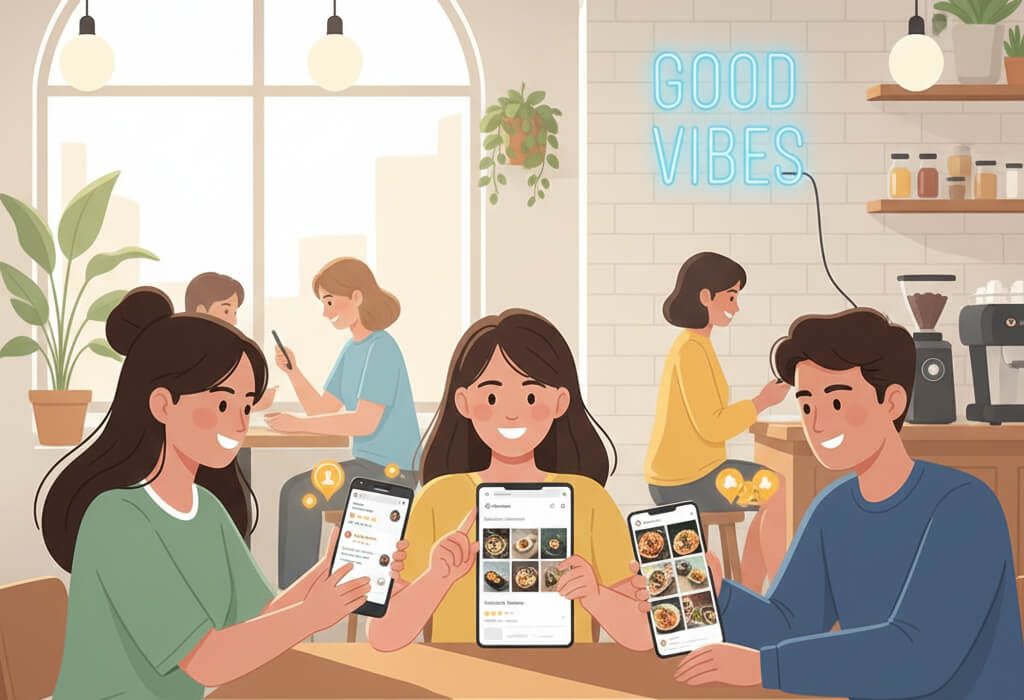
Gen Z isn’t asking friends where to eat.
They aren’t wandering the street hoping to stumble onto something good.
And they’re definitely not relying on flyers, billboards, or guesswork.
They’re searching, scrolling, comparing, and deciding—entirely online.
Born into smartphones, instant access, and algorithm-driven discovery, Gen Z evaluates restaurants faster and more critically than any generation before them. They form opinions in seconds, eliminate options instantly, and move on without hesitation.
If your restaurant doesn’t win online, it’s not just losing customers—it’s never even being considered.
Here’s exactly how Gen Z chooses where to eat, and what restaurants must do to stay relevant in 2025 and beyond.
For Gen Z, restaurant discovery almost always begins on a screen—not in conversation.
Their first touchpoints include:
But discovery alone doesn’t win the visit.
Once Gen Z finds your restaurant, they don’t stop at social posts or map listings. They click through to your website to evaluate whether you’re worth their time and money.
This is where most restaurants lose them.
Restaurants with SEO-first websites consistently attract younger diners because:
Why SEO matters more than ever for restaurants:
If you’re not ranking, you’re invisible. If you’re invisible, you’re irrelevant.
Gen Z is not “mobile-friendly.”
They are mobile-native.
Their phone is:
If your website:
They leave—instantly.
There is no second chance.
A mobile-first website ensures:
Why mobile-first websites are no longer optional: Mobile-First Websites: Why Restaurants Can't Ignore Them
Gen Z doesn’t tolerate friction. If your site creates it, they’re gone.
For Gen Z, menus are not just lists of food—they’re decision engines.
They want to:
A bad menu experience signals:
If your menu is:
You’ve already lost them.
Why modern online menus outperform printed and social menus: Online Menus: Why They Matter More Than Printed Ones
For Gen Z, the menu isn’t optional—it’s the deciding factor.
Gen Z eats with their eyes first.
Before reading a single word, they judge:
High-quality visuals reduce uncertainty and increase confidence.
Strong visuals:
Why professional food and interior photography converts better: The Science of Food Photography for Restaurant Websites
If your visuals don’t sell the experience, Gen Z won’t buy it.
TikTok and Instagram are powerful discovery tools—but they don’t finish the job.
Gen Z uses social media to:
But when it’s time to decide, they still go to the website to:
A website answers questions that social feeds can’t.
Why relying on link-in-bio alone costs restaurants customers: Why ‘Link in Bio’ Isn’t Enough: The Case for Restaurant Websites
Social media sparks curiosity. Websites earn commitment.
Gen Z doesn’t blindly trust star ratings.
They read reviews to assess:
They look for signals of honesty, accountability, and consistency.
Websites that:
Build significantly more trust.
Why reviews directly impact SEO and conversions:
Gen Z doesn’t expect perfection—they expect honesty.
Despite being highly tech-savvy, Gen Z dislikes unnecessary complexity.
They prefer:
Delivery apps feel:
Restaurants that offer direct ordering through their website:
Why direct ordering wins long-term:
Convenience matters—but control matters more.
Gen Z chooses brands that align with their values.
They care about:
But these values must be visible, not assumed.
Websites allow restaurants to:
Why online branding directly impacts loyalty:
Gen Z doesn’t just buy food—they buy meaning.
Social media is fast, chaotic, and constantly changing.
Websites feel:
When money is involved, Gen Z wants certainty—and websites provide it.
Why websites psychologically outperform social profiles: Why ‘Link in Bio’ Isn’t Enough: The Case for Restaurant Websites
Feeds entertain. Websites reassure.
Restaurants that invest in modern websites don’t just look better—they perform better.
One restaurant saw a 40% increase in bookings after upgrading its online experience: How One Restaurant Increased Bookings 40% With a New Website
Younger diners reward clarity, speed, and trust.
Gen Z doesn’t discover restaurants the old way.
If your restaurant:
It won’t make their shortlist.
To attract Gen Z, restaurants must meet them where they already are—
online, mobile, informed, and ready to decide.
Because for Gen Z, choosing where to eat starts with a screen—not a street.
Stay up to date with the latest tips, expert insights, product reviews, and step-by-step guides to help you grow, create, and succeed—no matter your industry or passion.