
December 30, 2025
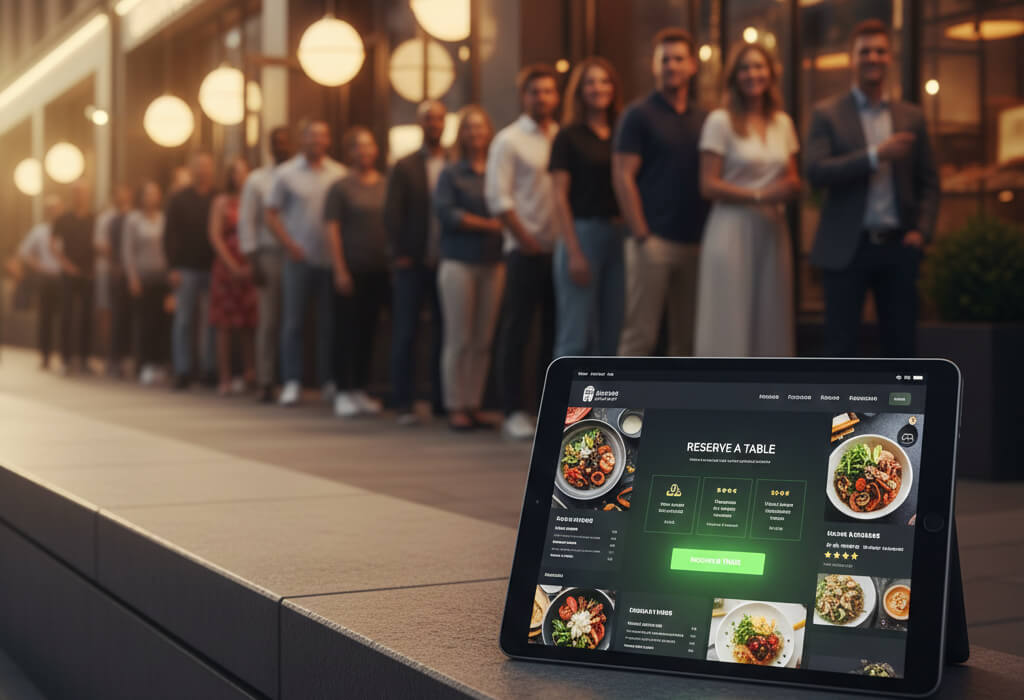
Great food has always been the foundation of a successful restaurant. It creates word of mouth, repeat visits, and loyal customers.
But in today’s dining landscape, food alone doesn’t determine success.
Across cities worldwide, the top 10 restaurants consistently share one powerful—and often underestimated—advantage: exceptional websites.
Not just attractive designs, but fast, clear, trust-building, conversion-focused digital experiences that shape diners’ decisions before they ever step inside the restaurant.
In an era where discovery starts online, your website is no longer optional—it’s the front door to your business.
Here’s why the best restaurants invest heavily in their websites, and how this directly impacts rankings, reservations, and long-term reputation.
Before diners experience your food, service, or ambiance, they experience your brand online.
This first impression forms instantly—and it’s incredibly powerful.
Top restaurants make sure their websites communicate:
A clean layout, modern design, fast load times, and accurate information signal quality and reliability. An outdated, slow, or confusing website does the opposite—it introduces doubt.
Even if your food is outstanding, a weak website creates hesitation. Diners subconsciously ask:
This is why restaurants without strong websites quietly lose business every day: The Cost of Not Having a Website for Your Restaurant
First impressions happen online now. Top restaurants don’t leave them to chance.
The best restaurants understand a simple truth: confused diners don’t book.
Top restaurants design their websites to remove friction and answer questions instantly. Their websites make it effortless to:
Every extra click, missing detail, or unclear action creates hesitation. And hesitation sends diners elsewhere.
Clear structure and intuitive navigation turn curiosity into commitment: How to Turn Website Visitors Into Paying Diners
Top restaurants win because they respect the diner’s time and attention.
Visibility isn’t accidental—it’s engineered.
Top restaurants invest in local SEO, ensuring their websites send strong, consistent signals to Google. This allows them to:
Their websites provide Google with structured, accurate information about:
As a result, they consistently appear when diners are actively looking to eat.
Restaurants that optimize their websites for local discovery outperform those that rely only on social media or listings:
The best restaurants don’t wait to be found—they make themselves impossible to miss.
For diners, menus aren’t just informational—they’re psychological.
Top restaurants treat menus as decision-making tools, presenting them in a way that builds confidence and desire. Their menus are:
Unlike printed menus or social media images, digital menus allow diners to explore dishes, prices, and dietary options easily.
This clarity reduces uncertainty and speeds up decisions: Online Menus: Why They Matter More Than Printed Ones
Top restaurants understand that the menu often determines whether a diner books—or keeps scrolling.
Visuals strongly influence perception.
Top restaurants invest in professional food and interior photography because they understand its impact. High-quality images:
Good photography helps diners imagine the experience—what it feels like to sit down, order, and enjoy a meal.
The psychology behind visuals explains why they drive real business results: The Science of Food Photography for Restaurant Websites
The best restaurants don’t just tell diners they’re great—they show them.
While reviews influence decisions, top restaurants don’t rely entirely on third-party platforms to define their reputation.
Their websites reinforce trust by:
By controlling the narrative, they ensure diners understand what makes the restaurant special—not just what strangers say in short comments.
This structured approach strengthens credibility and reduces dependence on external platforms: The Restaurant Reputation Playbook: How to Win Diners’ Trust Online
Top restaurants own their reputation instead of renting it.
Most diners search for restaurants on their phones—often minutes before deciding where to eat.
Top restaurants design mobile-first websites that:
Mobile usability directly affects conversions. If a website is slow or hard to use on mobile, diners leave immediately.
This is why mobile-first design is now mandatory: Mobile-First Websites: Why Restaurants Can’t Ignore Them
The best restaurants meet diners where they are—on their phones.
Top restaurants don’t rely entirely on delivery apps or marketplaces to interact with customers.
Through their websites, they:
Owning customer data allows restaurants to build long-term relationships instead of paying commissions repeatedly:
The best restaurants invest in ownership, not dependency.
For top restaurants, the website is not a one-time project—it’s a growth engine.
It supports:
Every marketing effort works better when it points to a strong website.
Understanding website ROI explains why leaders invest here first: The ROI of a Restaurant Website: What Owners Need to Know
Top restaurants know that growth compounds when the foundation is strong.
Restaurants that invest in website clarity and performance see measurable impact. One restaurant increased bookings by 40% simply by improving usability, menu visibility, and speed: How One Restaurant Increased Bookings 40% With a New Website
This growth didn’t require more ads—just better conversion.
The top restaurants in every city don’t rely on luck. They invest in:
A great website doesn’t replace great food—it amplifies it, ensuring diners can find you, trust you, and choose you.
If you want to be counted among the best, your website must reflect it.
Stay up to date with the latest tips, expert insights, product reviews, and step-by-step guides to help you grow, create, and succeed—no matter your industry or passion.