
January 05, 2026
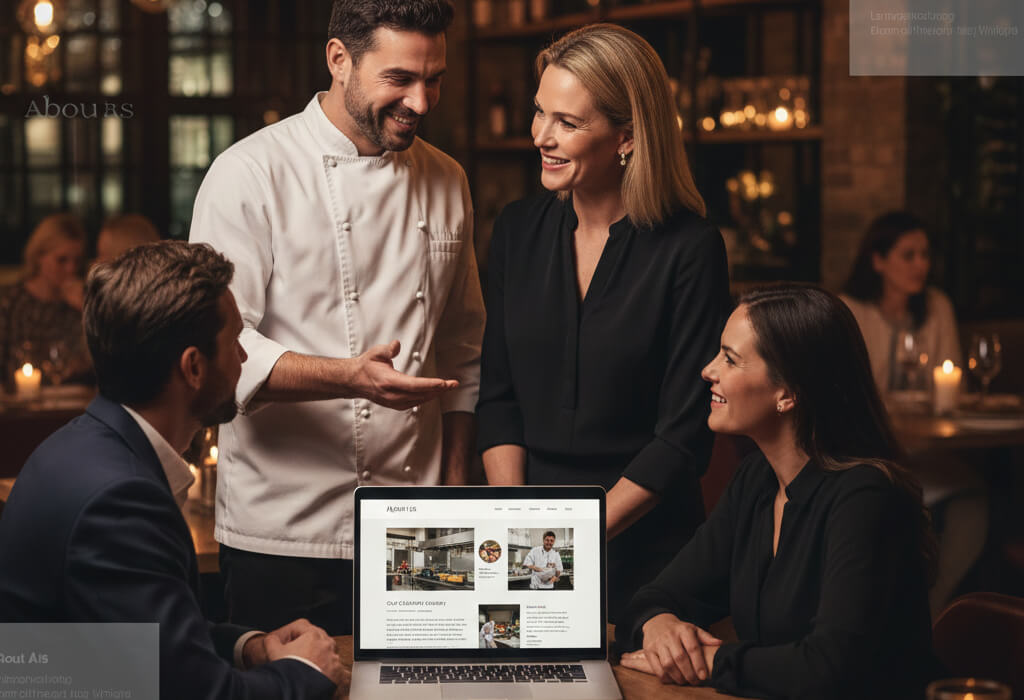
Paid ads can grab attention—but attention alone rarely builds trust or loyalty.
In 2026, diners are hyper-informed, digital-first, and emotionally discerning. They don’t choose restaurants based on a flashy ad—they choose restaurants they connect with. That connection is built through storytelling, not promotions.
A strong online story can outperform paid ads by building trust, loyalty, and long-term visibility—without ongoing ad spend.
Here’s why storytelling consistently beats paid advertising for restaurants—and how your website becomes the central platform for your narrative.
Paid ads are intrusive. They demand attention for a split second and disappear into the feed.
Stories, on the other hand, invite diners in. They encourage exploration, emotional engagement, and retention.
When potential guests land on a website that tells a clear, authentic story—about your food, your team, and your values—they slow down, explore, and remember your brand. This is the difference between a quick click and a long-term relationship: How to Turn Website Visitors Into Paying Diners
2026 Update: With AI-powered content curation and feed algorithms, consumers are bombarded by even more ads. A compelling story cuts through the noise, because it’s memorable and emotionally resonant, not algorithmically pushed.
Trust isn’t built in a single impression. Diners want to know:
Websites allow restaurants to tell these stories intentionally—something ads can’t do. Diners perceive websites as credible and authoritative, making them more likely to book a table or order online: Why Diners Trust Websites More Than Social Media Profiles
Actionable Tip: Include multi-format storytelling: written stories, behind-the-scenes videos, chef interviews, and interactive elements. Authenticity now trumps polish.
Paid ads disappear the moment your budget stops.
Storytelling on your website has long-term value, especially when optimized for search engines and AI-powered discovery tools like Google Business Profile and AI chat assistants.
Benefits of story-driven content:
SEO for Restaurants: How to Get Found Online
How Restaurants Can Attract Local Customers Through SEO
2026 Update: AI-powered assistants like Google Bard or ChatGPT increasingly answer dining queries directly. A well-structured story on your website can appear in these responses, driving traffic without any ad spend.
Ads focus on promotions or price points. Stories focus on identity, purpose, and values.
Your website can showcase:
This emotional layer makes your restaurant memorable and hard to replace: Restaurant Branding 101: Why Your Online Identity Matters
2026 Update: Modern diners, particularly Gen Z and Alpha, expect authenticity and social responsibility. Your storytelling should clearly communicate your stance on sustainability, inclusivity, and community engagement.
A strong story isn’t isolated—it fuels every marketing channel:
Instead of constantly creating new ads, restaurants with strong websites use storytelling as the central hub: The Restaurant Marketing Funnel: How Your Website Brings Diners to Your Door
Pro Tip: Incorporate storytelling into all digital touchpoints, including AI chat menus, Instagram Reels, and YouTube Shorts.
People share stories—not ads.
A compelling narrative:
Restaurants that improved storytelling alongside UX saw measurable growth—including a 40% increase in bookings after website improvements: How One Restaurant Increased Bookings 40% with a New Website
2026 Update: Storytelling combined with personalized AI experiences—like personalized dish recommendations based on browsing history—further increases conversions.
Paid ads fight in a crowded auction—they compete for fleeting attention.
Stories compound over time. A chef story, sourcing philosophy, or about-us narrative keeps building trust months and years after publishing.
This is why storytelling on your website future-proofs growth more than ad-heavy strategies: How to Future-Proof Your Restaurant With a Strong Online Presence
Pro Tip: Revisit and update your story yearly. Highlight awards, media features, or seasonal menu updates to keep the story current and relevant.
Modern search engines and AI assistants prioritize helpful, original, and structured content. Story-driven pages:
Your website becomes discoverable not just via Google, but via AI chat-based queries, turning storytelling into a long-term lead generator: The Future of Restaurant Websites: Why Your Online Presence Will Make or Break You in 2025
2026 Update: Structure stories with headings, bullet points, FAQs, and schema markup to make them AI-friendly, increasing the chance your story is featured in digital assistants.
Paid ads rent attention—they stop working the moment your budget ends.
Storytelling owns attention—building trust, visibility, and loyalty that lasts indefinitely.
Restaurants that rely solely on ads are at the mercy of algorithms and rising costs. Restaurants that invest in storytelling on their website control their narrative, their brand, and their growth.
In 2026, storytelling isn’t optional—it’s a necessity for sustainable restaurant success.
Tell your story once. Let it work for you every day.
What’s new for 2026:
Stay up to date with the latest tips, expert insights, product reviews, and step-by-step guides to help you grow, create, and succeed—no matter your industry or passion.