
January 13, 2026
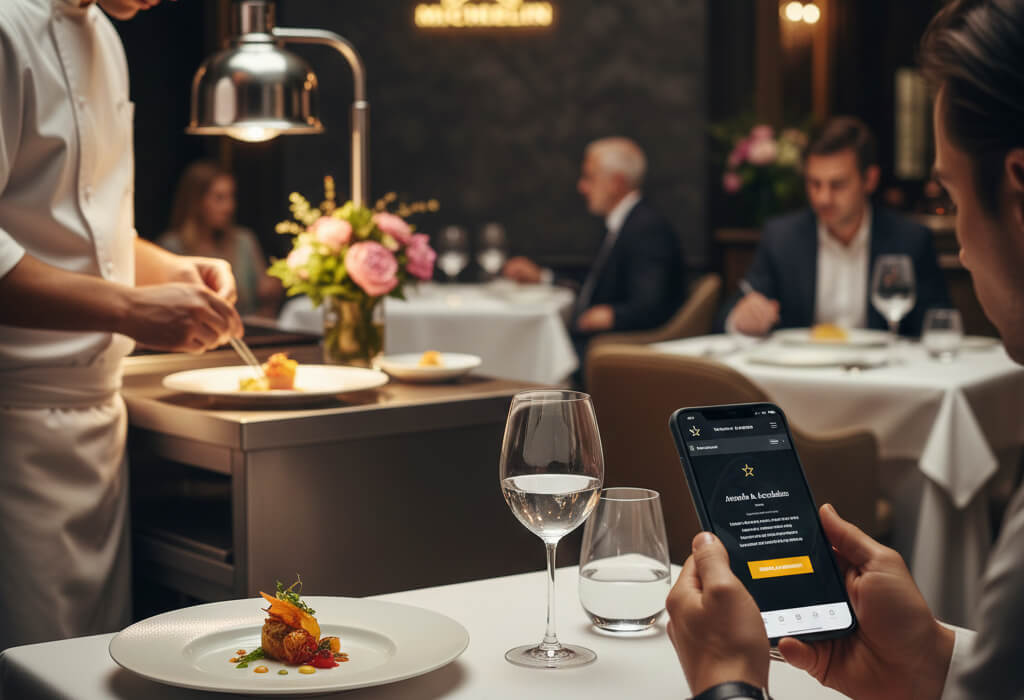
In a world where diners discover restaurants through TikTok loops, Google Maps thumbnails, delivery apps, and influencer collaborations, it’s natural for restaurant owners to question traditional signals of success.
With virality dictating foot traffic and algorithms shaping visibility, many ask:
Do Michelin stars still matter in 2026?
At face value, Michelin can feel almost countercultural—slow, deliberate, and selective in an era defined by instant gratification. But that contrast is exactly why Michelin’s relevance hasn’t declined.
It has intensified.
In 2026, Michelin recognition no longer functions solely as a culinary badge of honor. It operates as a multi-layered business signal—one that influences trust, search behavior, pricing psychology, brand equity, and long-term resilience.
Michelin stars aren’t surviving the digital age.
They are thriving because of it.
Modern diners are overwhelmed.
They scroll through:
As exposure increases, discernment decreases—and diners respond by seeking filters they can trust.
Michelin functions as a credibility shortcut.
Unlike platforms driven by popularity, recency, or ad spend, Michelin remains:
This gives Michelin a unique psychological position:
it’s not loud—but it’s definitive.
When diners see Michelin recognition, they don’t ask “Is this popular?”
They ask “Can I trust this?”
That distinction matters more than ever.
Restaurants that build trust outperform competitors not just in prestige—but in measurable digital outcomes such as click-through rates, booking conversions, and return visits:
The Restaurant Reputation Playbook: How to Win Diners’ Trust Online
Michelin recognition doesn’t just influence diners—it reshapes how people search.
After recognition, restaurants typically experience:
From Google’s perspective, these are powerful signals:
Michelin acts as an off-site trust accelerator, similar to how academic citations validate research.
But this advantage compounds only when restaurants own their digital real estate.
A well-structured, SEO-optimized website turns Michelin attention into:
Without it, visibility spikes briefly—then fades.
SEO for Restaurants: How to Get Found Online
In 2026, diners are more price-aware—but also more value-driven.
They are willing to pay more when the narrative supports it.
Michelin provides that narrative.
Recognition reframes pricing by establishing:
Instead of asking “Why is this expensive?”, diners ask “What makes this special?”
That shift is crucial.
Michelin doesn’t just allow higher prices—it protects them, especially during economic uncertainty.
Restaurants that pair Michelin recognition with strong storytelling, clear menus, and thoughtful experience framing convert premium diners at far higher rates: How to Turn Website Visitors into Paying Diners
Social platforms are powerful—but shallow.
They excel at:
They struggle with:
Michelin operates at the decision layer.
High-intent diners—those booking anniversaries, client dinners, or travel experiences—aren’t influenced by virality alone. They want reassurance that the experience will justify the time, money, and occasion.
That’s why Michelin recognition consistently outperforms social hype when it comes to:
And that’s why diners still leave platforms to visit official websites before reserving: Why Diners Trust Websites More Than Social Media Profiles
A Michelin star doesn’t live on a wall—it lives across the brand ecosystem.
When leveraged properly, it strengthens:
But recognition alone isn’t enough.
Without a strong digital foundation, Michelin attention often creates friction:
In these cases, prestige increases interest—but not revenue.
The Cost of Not Having a Website for Your Restaurant
Michelin’s evolution has made it more relevant—not less.
Bib Gourmand awards and Michelin-recommended listings now carry enormous weight, particularly for:
These recognitions:
For independent restaurants, Michelin levels the playing field—if the digital experience supports it: How to Compete Against Chains with a Better Website
Michelin creates attention.
Websites create systems.
The most successful restaurants use their sites to:
This is how prestige becomes predictable revenue, not fleeting hype: The Restaurant Marketing Funnel: How Your Website Brings Diners to Your Door
Even in 2026, Michelin continues to:
It remains one of the few institutions capable of balancing:
Restaurants that align their branding with this authority gain longevity—not just attention: Restaurant Branding 101: Why Your Online Identity Matters
Michelin stars haven’t become obsolete.
They’ve become strategic.
In 2026, they represent:
When supported by the right digital infrastructure, results can be dramatic: How One Restaurant Increased Bookings by 40% with a New Website
Michelin stars are no longer just culinary milestones.
They are asymmetric business advantages.
They:
But the winners in 2026 aren’t just Michelin-starred restaurants.
They are Michelin-recognized restaurants that:
Trends spike. Algorithms reset.
Trust compounds.
Michelin still delivers it.
Stay up to date with the latest tips, expert insights, product reviews, and step-by-step guides to help you grow, create, and succeed—no matter your industry or passion.