
January 06, 2026
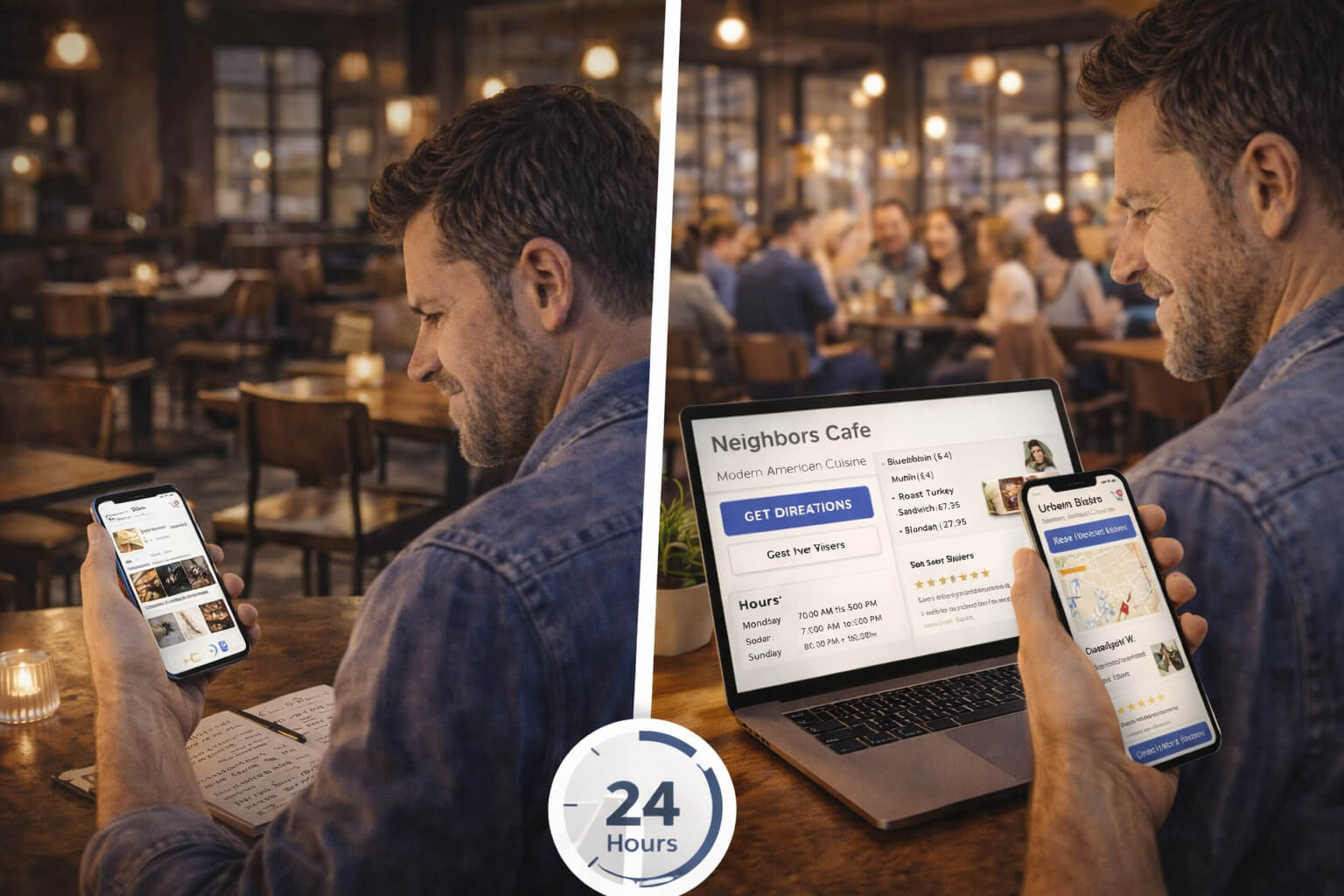
For years, this neighborhood café relied almost entirely on Instagram to drive business. New posts, daily stories, influencer tags—it all looked successful on the surface.
Followers increased steadily. Engagement stayed healthy. Posts were liked, shared, and saved.
But inside the café, something didn’t add up.
Foot traffic remained inconsistent. Some days were busy, others surprisingly slow. And despite the café’s online popularity, many potential customers never actually walked through the door.
What happened next permanently changed how the café approached marketing.
From the outside, the café’s Instagram presence looked strong:
But behind the scenes, the staff fielded the same questions over and over:
These weren’t edge cases—they were daily interruptions.
Instagram excelled at grabbing attention, but it failed at providing clear, reliable answers. Important information was buried across highlights, captions, comments, and outdated posts.
This problem is explored in depth in Why ‘Link in Bio’ Isn’t Enough: The Case for Restaurant Websites, which explains why social platforms are structurally poor at supporting decision-making.
Attention without clarity doesn’t convert. It confuses.
Instead of investing more time into chasing reach and engagement, the café made a single strategic shift.
They launched a simple, conversion-focused website.
Not a complex build. Not an expensive redesign. Just the essentials done right:
Instagram wasn’t abandoned—it was repositioned.
Rather than being the place where customers tried to figure everything out, Instagram became the entry point that led people somewhere more useful.
This shift reflects a broader industry realization outlined in Why Every Restaurant Needs a Website in 2025 (and How to Launch One Fast).
Social media creates awareness. Websites create certainty.
Almost immediately, a noticeable change occurred.
Once the website was live:
The website became the café’s single source of truth.
The digital menu was especially impactful. Instead of blurry photos or outdated posts, customers could clearly see offerings, prices, and options—anytime, from any device.
This exact shift is explained in Online Menus: Why They Matter More Than Printed Ones, which details how digital menus reduce friction and pre-empt uncertainty.
When customers have answers upfront, staff can focus on service—not explanations.
Before the website, Google had little context to work with. After launch, that changed.
The website gave search engines clear signals about:
As a result, the café began appearing more often in local search results and map listings—especially during high-intent moments like “coffee near me” or “café open now.”
This relationship between websites and real-world visits is outlined in How Restaurants Can Attract Local Customers Through SEO and SEO for Restaurants: How to Get Found Online.
No ads were needed. Visibility improved simply because Google could finally understand the business.
Once the website existed, Instagram’s role changed completely.
Captions no longer had to explain everything. Stories no longer tried to act like menus or maps. Instead, posts simply pointed people to the website.
This reduced friction and shortened the decision path.
Social traffic stopped floating aimlessly and started converting into visits.
This strategy is broken down in How to Turn Website Visitors Into Paying Diners, which explains why social platforms work best when they feed into a conversion-focused destination.
Instagram attracted interest.
The website captured it.
New customers began using the same phrases:
The food hadn’t changed. The pricing hadn’t changed. The experience hadn’t changed.
Only the presentation had.
This psychological shift is explained in
Why Diners Trust Websites More Than Social Media Profiles, which explores how structure, consistency, and permanence signal legitimacy.
Trust reduces hesitation.
Hesitation kills visits.
Within weeks of launching the website, the impact became measurable:
These outcomes closely match results seen elsewhere, including
How One Restaurant Increased Bookings 40% With a New Website.
The website didn’t create demand.
It organized it.
Instagram is:
Websites are:
That’s why long-term returns favor owned platforms, as explained in The ROI of a Restaurant Website: What Owners Need to Know.
Social platforms rent attention.
Websites build equity.
The café didn’t quit Instagram.
It simply stopped depending on it.
Social media attracts attention.
Websites convert attention into trust, visits, and revenue.
The biggest mistake wasn’t starting without a website.
It was waiting so long to build one.
Stay up to date with the latest tips, expert insights, product reviews, and step-by-step guides to help you grow, create, and succeed—no matter your industry or passion.