June 17, 2025
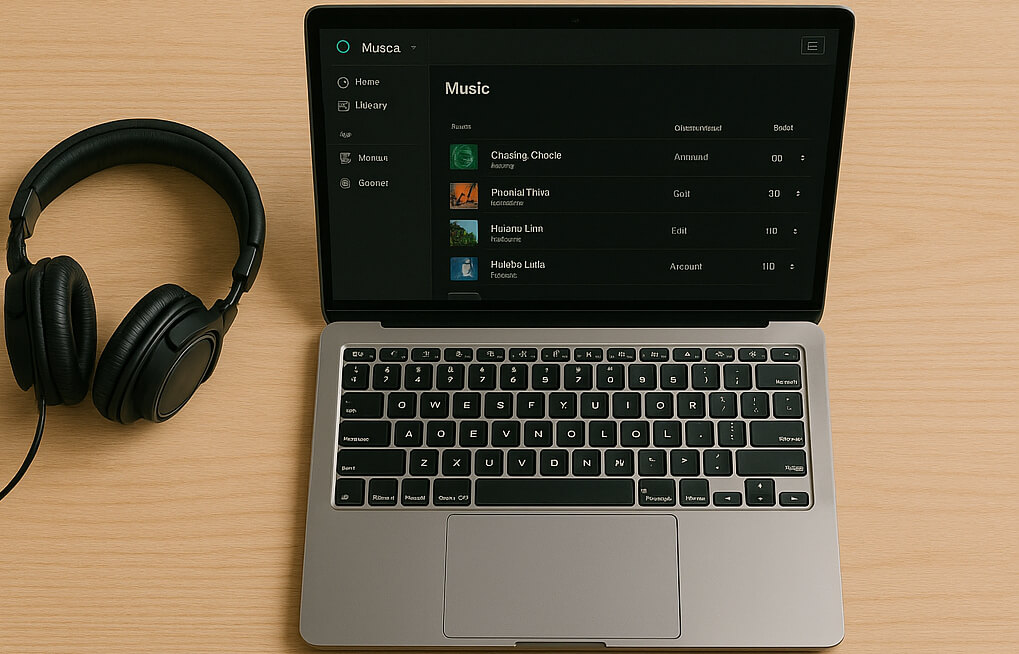
Compare a music download service with a real project brief. A large catalog or a broad download claim is less useful than being able to find suitable material and understand the service’s current conditions.
Search for several realistic project needs, such as a quiet introduction, a transition, or music under spoken narration. Note whether the results match the intended mood and whether useful previews are available.
Check the filters, saved selections, and information shown for each track. Try returning to a candidate later in the session. Good organization should help you reproduce a useful search and recover the recording you selected.
Use the provider’s current plan details to check download access, format options, account limits, and any trial arrangements. Check the terms for the specific use you are planning. Avoid treating “free” or “unlimited” as a complete description of a service.
If the service provides a suitable preview or download, test it in your actual editing software. Check how you will store the original, maintain a source record, and share a project with collaborators.
For each service, record the project fit, the workflow advantages, unresolved questions, and the date you checked its terms. Choose based on those observations rather than an unverified audience count or a generic promise.
List the kinds of projects for which you need music and the tasks you perform most often. You may need short introductions, material under narration, or a set of candidates for a collaborator to review. Define those needs before comparing catalog size or headline claims. A service is useful when you can repeatedly complete the work that matters to you.
Choose two or three representative briefs and use the same briefs across the services you investigate. Record the search terms, filters, and number of candidates you actually auditioned. The exercise is a practical comparison for your workflow, not a comprehensive ranking of every provider. Keeping the tasks consistent helps reveal differences in usability that a general promotional page may not show.
Evaluate how clearly a result identifies the recording and whether you can understand its relevance before opening several pages. Notice which filters help and which introduce more uncertainty. A search that returns many files may still be difficult to use if the descriptions do not help you narrow the choices. Focus on the route from a brief to a workable shortlist.
Repeat a search after a break and see whether you can recover a useful candidate. Save notes about the filters or terms that worked. If collaborators will use the service, check whether your notes make the selection process understandable to them. The comparison should include retrieval and review, not just the initial excitement of finding a track you like.
Look at the information supplied with a candidate: creator or supplier details, duration, version labels, and the location of its usage instructions. You may also find musical descriptions that help you compare candidates, but check whether those descriptions are useful in practice. Keep your own note when a provider’s tags do not explain why a recording fits a particular brief.
Check how easily you can connect the preview, downloaded file, and record in your project notes. Confusing names or unclear versions create extra work during revisions. A provider with a convenient catalog interface may still require careful source tracking outside the service. Include that task in your evaluation so you understand what your team will need to maintain.
Read the provider’s own plan and account information. Check the features, access limits, download arrangements, payment conditions, and cancellation process relevant to your use. Avoid treating a single word such as “free” or “unlimited” as a complete account description. Keep the current details in your comparison record rather than relying on a third-party summary.
If more than one person will use the service or its files, check the provider’s stated account and collaboration arrangements. Write down any question that affects your project and ask the provider to clarify it. Separate confirmed information from assumptions. This makes your comparison more useful when it is time to make a decision or explain the choice to someone else.
Follow a candidate from search to preview, selection, authorized download, and an actual test edit. Note any step that is difficult to repeat. If you need to share the project, check how you will identify the selected recording, its source, and the relevant instructions. A service should be evaluated in the context of the whole task rather than only the search screen.
Ask a collaborator to review a small shortlist if that reflects how you normally work. Observe whether they can find the files and understand your notes without extra explanation. Keep temporary audition material distinct from files selected for the edit. The point is to discover practical friction while the test is small, before the same difficulty appears in a time-sensitive project.
Create a short comparison sheet with a row for each service and fields for catalog fit, search experience, source information, account questions, export workflow, and collaboration needs. Add the date checked. Write a brief reason in each field instead of reducing every observation to an unexplained score. You can then see which differences actually matter to the project.
For example, one service may make shortlisting easy but leave an important account question unanswered. Another may have fewer relevant candidates yet provide a simpler project record. Those are different tradeoffs. Keep unresolved points visible and decide which must be answered before proceeding. An honest comparison can end with “not enough information yet” rather than forcing a premature winner.
After using a service for a project, return to your comparison sheet. Record whether the search results remained useful, whether revisions were manageable, and whether the account arrangement matched what you expected from the current documentation. Keep the observations specific enough that they can guide a later decision rather than becoming a general impression.
Review the choice when your workflow changes, a new collaborator joins, or the provider publishes a material change to the arrangement you rely on. You do not need to restart every comparison from scratch. Maintain a small record of what works and what needs checking. The goal is a dependable way to find and manage suitable music, supported by information you can verify.
Stay up to date with the newest tips, gear reviews, and step-by-step guides to elevate your photography journey from home and beyond.