
Why Some Restaurants Change Menus Daily

October 06, 2025

By RocketPages

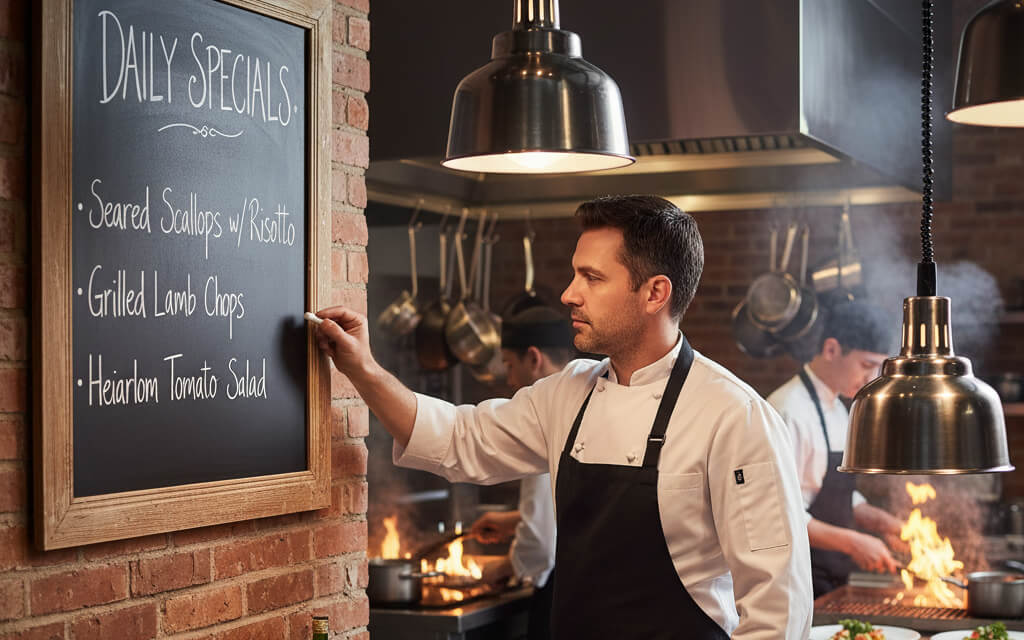
Chef updating a daily specials chalkboard in a modern restaurant kitchen with fresh ingredients around.

In a world where many restaurants stick to a static menu for months (or years), some bold eateries are flipping the script — literally — by changing their menu every single day.


To the uninitiated, this might seem like a logistical headache or a branding risk. But in reality, a daily menu rotation is a highly strategic decision that speaks to diners’ evolving desires for freshness, novelty, and authenticity.


Let’s break down why daily menu changes are not only possible but powerful — and how to make them work in a digital-first restaurant landscape.


1. Freshness and Seasonality Are the Foundation


The clearest benefit of a rotating menu is ingredient-driven cuisine. When chefs design dishes based on what's available that morning at a local market or farm delivery, diners get peak-season flavor and nutrition — and your restaurant gets a reputation for quality.


Why It Works:


  • It aligns with the farm-to-table movement, which consumers increasingly value.
  • Seasonal ingredients are often more affordable and more sustainable than out-of-season imports.
  • It allows your menu to tell a story — “This dish features heirloom tomatoes picked just this morning.”


How to Support This Online:


  • Use local SEO to appear in “fresh food near me” and “farm-to-table” search results.
  • Feature real-time photos or daily dish highlights on your homepage or social media.
  • Show the origin of your ingredients to enhance trust and transparency.


Related: How to Optimize Your Website for “Near Me” Searches


2. It Fuels Creative Freedom — and Keeps Staff Engaged


For chefs, cooking the same dishes on repeat can stifle creativity. A daily menu gives them room to innovate, experiment, and grow — which translates into more inspired dishes and a more passionate team.


Bonus Benefit: Dynamic menus create a culture of continuous learning among your kitchen and service staff. Instead of memorizing static scripts, they stay involved in the evolving story of your food.


Examples of Creative Freedom:


  • Fusion nights (e.g., “Japanese-Italian tapas”)
  • Ingredient showcases (“All dishes today feature pumpkin in different ways”)
  • Regional inspiration (“A taste of Oaxaca,” “Parisian bistro classics”)


Digital Strategy:


  • Let guests in on the process via email newsletters or social updates.
  • Share “Behind the Menu” content to build loyalty and transparency.
  • Showcase chef spotlights or stories to deepen emotional connections.


Related: Email Marketing for Restaurants: Grow Customers Beyond Social Media


3. It Builds Curiosity, Anticipation, and Repeat Business


When your menu changes daily, guests don’t just come for what they already know — they come for what they don’t.


Psychological Impact:


  • Daily change introduces the principle of novelty, which activates dopamine — the brain chemical tied to pleasure and reward.
  • Repeat visits increase as customers return to see “what’s new.”
  • Diners feel they’re part of an exclusive experience — something limited, special, and always evolving.


Turn This Into Marketing Momentum:


  • Post daily menus on Instagram or Facebook Stories with engaging visuals.
  • Use email or SMS alerts for “Tonight’s Special” — build it into your loyalty program.
  • Turn loyal customers into menu insiders by letting them vote on future dishes.


Related: How to Compete Against Chains with a Better Website


4. The Strategy Behind the Chaos: A Smart Marketing Machine


Changing your menu every day might seem chaotic — but it’s actually a marketing flywheel if you plan ahead and use the right tools.


Operational Tips:


  • Use seasonal ingredient calendars to build a weekly rotation template.
  • Schedule batch content creation (photos, descriptions, allergen info) in advance.
  • Automate daily menu updates on your website using modern CMS tools or integrations with your POS.


Marketing Payoffs:


  • More touchpoints with your audience (via updates, posts, and promos)
  • Increased engagement — followers have a reason to check back every day
  • SEO benefits — regular content updates boost your visibility and indexing


Related: The Rise of Contactless Dining: What It Means for Restaurants


5. It Creates a Clear Brand Identity


At a time when many restaurants are trying to be “everything to everyone,” a daily-changing menu makes a bold brand statement:


“We’re fresh, creative, and confident in our craft.”


And that’s exactly what modern diners — especially Gen Z and Millennials — want.


Emotional Branding Triggers:


  • Authenticity: “These chefs cook based on what’s good today — not what’s frozen from last month.”
  • Local Pride: “They source from my community and support local farms.”
  • Uniqueness: “No two meals are ever the same — it’s a new story every time.”


Pro tip: Extend this brand feeling to your website, logo, photography, and social tone. Consistency builds trust. Inconsistency breaks it.


Related: Restaurant Branding 101: Why Your Online Identity Matters


Is a Daily Menu Right for You?


While this approach won’t suit every concept, it’s especially powerful for:


  • Farm-to-table restaurants
  • Chef-led bistros or tasting rooms
  • Wine bars or specialty cafés
  • Pop-ups and seasonal operations
  • Any restaurant trying to build buzz and loyalty in a saturated local market


To make it work, you’ll need:


  • A flexible team
  • A connected digital ecosystem (POS + website + email)
  • Strong content planning
  • Clear communication (online and in-house)


But if you get it right, it doesn’t just set you apart — it keeps customers coming back.


Final Thoughts


Changing your menu daily isn’t just a culinary decision — it’s a strategic experience design. It communicates freshness, fuels creativity, and encourages deeper customer engagement across both physical and digital channels.


Whether you run a neighborhood gem or an ambitious concept kitchen, a daily menu can become your most powerful tool for storytelling, brand differentiation, and long-term loyalty — one dish at a time.


Keep Exploring:


Recent Articles

Stay up to date with the latest tips, expert insights, product reviews, and step-by-step guides to help you grow, create, and succeed—no matter your industry or passion.


Portrait studio with a sitter, soft key light and camera demonstrating directional portrait lighting
Portrait Lighting Patterns: Split, Loop and Rembrandt
Judge the light on the faceA portrait lighting pattern describes the arrangement of light and shadow on the face. It is different from the make of the light, the background color, or the overall editi...
Read More
Two educators reviewing curriculum books, sample worksheets and a checklist in a school library
Choosing a School Curriculum: A Practical Review Checklist
Clarify what decision you can makeChoosing a curriculum is different from choosing a school. A curriculum concerns the sequence of knowledge, skills, learning activities, and assessment, together with...
Read More
Teacher supporting a student using geometric learning materials and a notebook in a classroom
Personalized Learning Approaches: Goals, Support and Feedback
Begin with a learning goalPersonalized learning involves making informed choices about instruction and support for a learner. Start with the knowledge or skill being developed, not with a product or a...
Read More
