
Plant-Based Dining: How Restaurants Can Market Vegan Options

October 02, 2025

By RocketPages

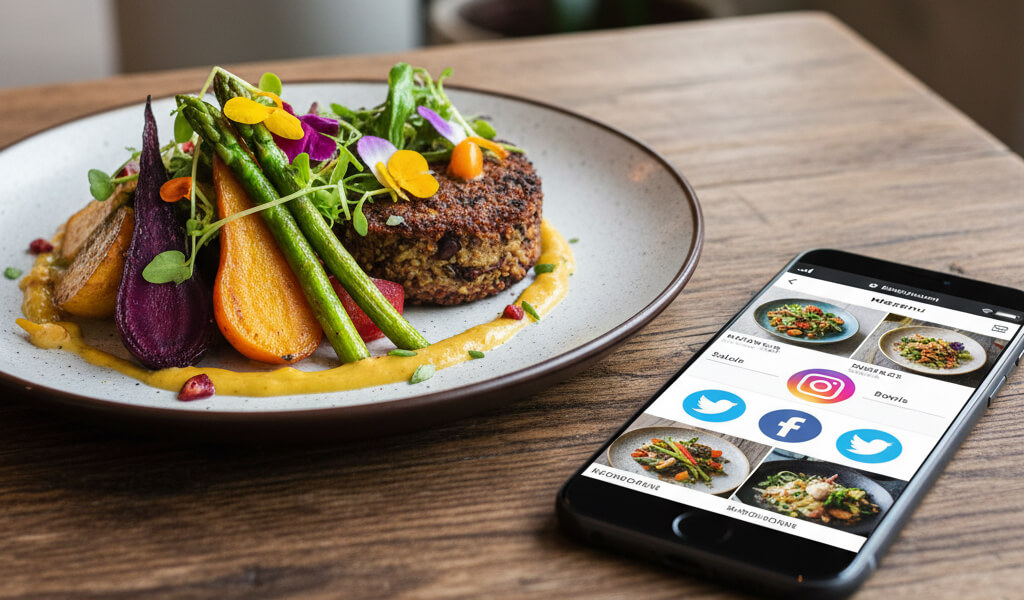
Plant-based restaurant dish with smartphone displaying online menu and social media, promoting vegan dining options.

The growing demand for plant-based diets isn’t just a trend—it’s a shift in how people eat, think, and choose where to dine. Whether it’s for health, sustainability, animal ethics, or food sensitivities, plant-based options have become essential to meeting customer expectations.


By actively marketing your plant-based offerings, your restaurant can attract new audiences, increase loyalty among existing patrons, and position your brand as modern, inclusive, and forward-thinking.


1. Highlight Plant-Based Options on Your Website


Today’s diners often research menus online before making a reservation or placing an order. If your plant-based options are hidden, overlooked, or hard to identify, you're missing out on a valuable opportunity.


Here's how to do it effectively:


  • Create a dedicated “Plant-Based” section within your online menu so it’s easy to find.
  • Use clear labels or icons (“V” for vegan, “VG” for vegetarian, 🌱 for plant-based) next to qualifying dishes.
  • Feature professional food photography that showcases color, freshness, and plating—helping change the perception that plant-based food is boring.
  • Write enticing, descriptive menu names. For example, instead of “Tofu Bowl,” try “Ginger-Soy Glazed Tofu with Sesame Rice & Pickled Veg.”


RocketPages Resource: The Ultimate Restaurant Website Checklist: From Menus to Mobile UX

External Reference: VegNews: Marketing Vegan Options in Restaurants


2. Leverage Social Media and Influencers


Social media is one of the fastest ways to spread the word about your plant-based offerings, especially among younger demographics and lifestyle-driven eaters.


Tips for social success:


  • Share behind-the-scenes kitchen clips, chef interviews, or ingredient spotlights.
  • Use hashtags like #PlantBased, #VeganEats, #CrueltyFree, #MeatlessMonday, and location-based tags to show up in searches.
  • Partner with local vegan or food influencers. A single Instagram reel or TikTok can bring in dozens of curious customers.
  • Run polls and Q&As asking your followers what they’d like to see on the menu—this boosts engagement and shows you care.


RocketPages Insight: The Restaurant Marketing Funnel: How Your Website Brings Diners to Your Door

External Reference: Eater: Social Media Marketing for Vegan Dishes


3. Highlight Health & Sustainability Benefits


Many customers choose plant-based meals for personal wellness and ethical reasons. Reinforcing these benefits can strengthen their connection to your restaurant.


What to include:


  • Add nutritional info like calorie counts, protein content, or allergen warnings.
  • Share stories about sustainable practices—like sourcing local produce, using eco-friendly packaging, or cutting food waste.
  • Educate diners on how plant-based dining helps the environment, e.g., “Choosing our jackfruit tacos instead of beef saves 800 gallons of water.”


RocketPages Resource: Dining Trends in 2025 Every Restaurant Owner Should Know


4. Promote Special Plant-Based Campaigns


Creating buzz around seasonal, themed, or event-driven promotions is a great way to introduce more people to your plant-based offerings.


Campaign ideas:


  • Meatless Mondays: Offer a discount or prix-fixe vegan menu every Monday.
  • Plant-Based Brunch: Feature vegan pancakes, tofu scramble, and dairy-free pastries for weekend brunchers.
  • Holiday Features: Create plant-based specials for holidays like Earth Day, Veganuary, or Thanksgiving.
  • Use combo deals or samplers to encourage guests to try multiple items without commitment.


RocketPages Insight: How One Restaurant Increased Bookings 40% With a New Website

External Reference: Restaurant Dive: Plant-Based Marketing Campaigns


5. Encourage Reviews and User-Generated Content


Happy plant-based diners can become some of your loudest advocates. Their feedback and content build trust and create social proof.


Best practices:


  • Politely ask for reviews on Google, Yelp, and social platforms—especially if the customer clearly enjoyed a vegan dish.
  • Feature positive feedback or photos on your website, email newsletters, and social stories.
  • Run UGC contests like: “Post your vegan meal with #GreenEatsCafe and get a chance to win a $25 gift card.”


RocketPages Insight: Why Link-in-Bio Isn’t Enough: The Case for Restaurant Websites


6. Integrate Online Ordering for Plant-Based Dishes


As online ordering continues to grow, make sure your plant-based options are front and center in your delivery and pickup channels.


How to do it right:


  • Add a “Plant-Based” category in your online menu for easy browsing.
  • Feature your most popular vegan items at the top or mark them as “Staff Picks.”
  • Ensure your ordering is done through your own website instead of third-party apps, so you keep your customer data and avoid 20–30% app fees.


RocketPages Resource: How to Add Online Ordering to Your Website Without Paying App Fees


Conclusion


Plant-based marketing is not just about adding tofu to the menu—it’s about showing that your restaurant is adaptable, inclusive, and aligned with your customers’ values.

By:


  • Showcasing plant-based dishes clearly on your website,
  • Running targeted social media campaigns,
  • Promoting themed specials,
  • Encouraging customer feedback,
  • And offering easy online ordering...


…you position your restaurant as a top destination for a rapidly growing audience of plant-forward diners.


Keep Learning:


Explore more from RocketPages to take your digital presence to the next level:


Recent Articles

Stay up to date with the latest tips, expert insights, product reviews, and step-by-step guides to help you grow, create, and succeed—no matter your industry or passion.


Portrait studio with a sitter, soft key light and camera demonstrating directional portrait lighting
Portrait Lighting Patterns: Split, Loop and Rembrandt
Judge the light on the faceA portrait lighting pattern describes the arrangement of light and shadow on the face. It is different from the make of the light, the background color, or the overall editi...
Read More
Two educators reviewing curriculum books, sample worksheets and a checklist in a school library
Choosing a School Curriculum: A Practical Review Checklist
Clarify what decision you can makeChoosing a curriculum is different from choosing a school. A curriculum concerns the sequence of knowledge, skills, learning activities, and assessment, together with...
Read More
Teacher supporting a student using geometric learning materials and a notebook in a classroom
Personalized Learning Approaches: Goals, Support and Feedback
Begin with a learning goalPersonalized learning involves making informed choices about instruction and support for a learner. Start with the knowledge or skill being developed, not with a product or a...
Read More
