
October 06, 2025
Reviewed and updated November 23, 2026.
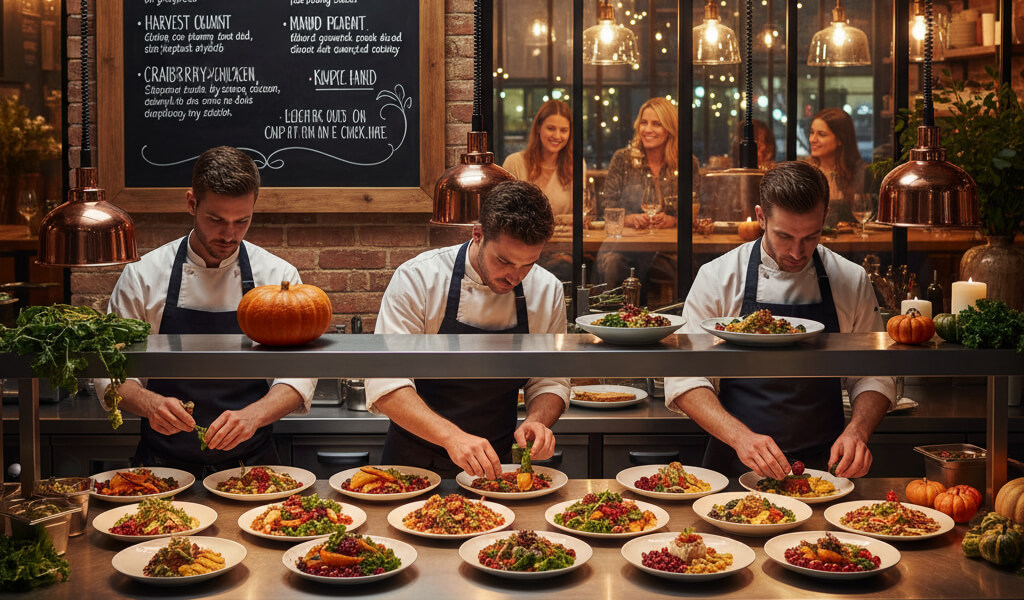
A seasonal menu starts with ingredients the kitchen can source consistently, dishes the team can execute, and prices that fit the restaurant's operating model. Updating the website comes after those decisions are tested. A new dish is not ready merely because its name and photograph look appealing.
The workflow below is a planning example for a small restaurant. Adapt the timing and cost assumptions to your service, suppliers, and sales data rather than treating them as universal restaurant benchmarks.
Choose the reason for the update: use a dependable seasonal ingredient, replace a low-demand dish, shorten preparation, or offer something guests have requested. Define what will stay the same, such as the menu size, equipment, and service style.
For a first test, consider one starter and one main instead of replacing an entire menu. That makes purchasing, training, and comparing results easier. Write down the intended launch date and who can approve the final recipe, price, and public menu.
Ask suppliers about availability, pack size, delivery frequency, likely substitutions, and usable yield. An inexpensive crate is not necessarily economical if much of it cannot be used. Keep a backup plan that preserves the dish's main qualities without making the published description inaccurate.
Avoid promising that every ingredient is local or seasonal unless your actual purchasing supports the statement. A specific description, such as a named ingredient used in one dish, is easier to keep accurate than an unsupported claim about the whole menu.
Build a recipe sheet that records the quantity used, usable yield where relevant, portion size, and cost per serving. Include small components such as sauce, garnish, oil, and accompaniments. Keep the supplier date beside the cost so changes can be traced.
Illustrative example: a vegetable bowl uses $1.20 of prepared vegetables, $0.65 of grain, $0.45 of dressing, and $0.20 of garnish. Ingredient cost is $2.50 per portion. At a proposed menu price of $10, ingredient cost is 25% of that price.
The remaining $7.50 is not profit. It still has to support labor, rent, utilities, service costs, waste, and other expenses. If ingredient cost rises to $3, the same dish has a 30% ingredient-cost share at the same price. Use the example to test assumptions, not to adopt a target percentage without checking your business.
Prepare the dish at the portion size you intend to sell. Time the steps, note the equipment needed, and test how it fits alongside the dishes already being cooked during a busy service. A successful tasting in an empty kitchen does not establish that the dish is practical during a full shift.
Include a server in the trial. Ask whether the description makes the dish clear, which questions a guest might ask, and whether the kitchen can answer ingredient and dietary questions reliably. Use your established food-safety and allergen procedures; a promotional menu is not a substitute for them.
Ask a staff member to explain the dish back in their own words. If the answer differs from the kitchen's intended description, fix the launch note before printing materials or publishing the page.
Create an inventory of menu locations: your website, a downloadable file, the ordering provider, booking messages, social profiles, and printed copies. Assign an owner to each. Update them in one planned window and check the price and description on a phone.
For a RocketPages website, edit the relevant menu section, review the mobile layout, and publish the change. If a button opens an external ordering platform, update that service separately. Publishing a website menu does not automatically synchronize another provider's prices or availability.
Use RocketPages restaurant website features for menus and contact information, and the editing and publishing demo for the page workflow.
Choose a review date and record portions sold, unavailable periods, waste, preparation problems, and recurring guest comments. Compare similar service periods and account for promotions or changes in opening hours. More website visits alone do not show whether a dish improved the restaurant's results.
Decide whether to keep, revise, or retire the item. A dish with strong demand but difficult preparation may need a simpler garnish; one with repeated questions may need a clearer description. Keep the record so the next seasonal change starts with evidence.
For the people side of the rollout, use the staff website-training checklist. For guest comments, see a practical restaurant-feedback process.
Stay up to date with the latest tips, expert insights, product reviews, and step-by-step guides to help you grow, create, and succeed—no matter your industry or passion.


