
June 11, 2025
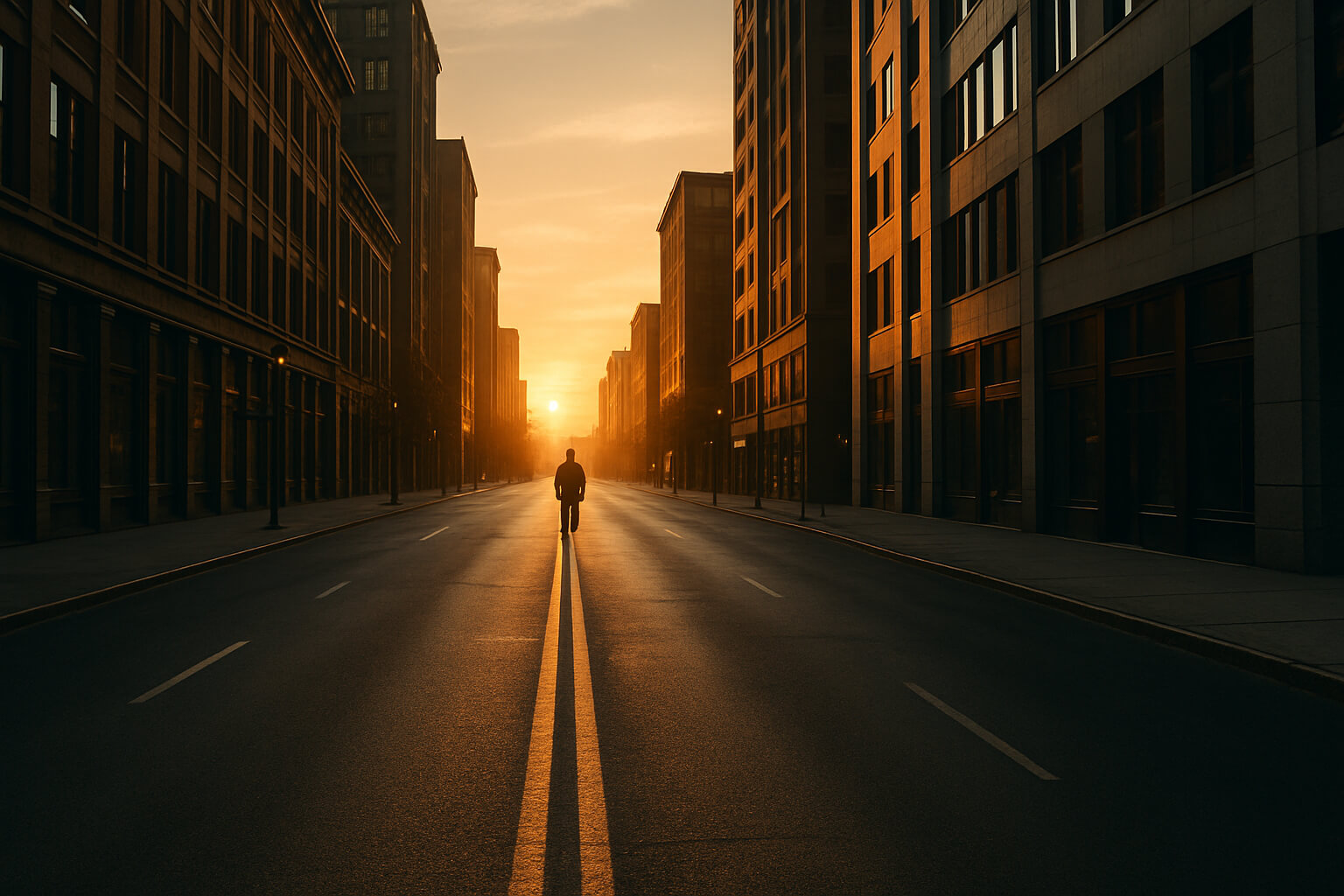
In photography, leading lines are a powerful and visually engaging compositional tool. They naturally guide the viewer’s eye through the image, often leading directly to the subject. Whether you’re photographing landscapes, portraits, or architecture, incorporating leading lines can add balance, depth, and dynamism to your shots. In this guide, we’ll explore what leading lines are, why they matter, how to use them effectively, and how to make the most of them in post-processing.
Leading lines are any lines in an image that draw the viewer’s eye toward a specific area of the photo, typically toward the main subject. These lines can be straight, curved, diagonal, or even implied, creating a visual path for the viewer to follow. The beauty of leading lines lies in their versatility — they can be found in almost any setting, both indoors and outdoors.
Some common examples of leading lines include:
Leading lines aren’t limited to literal lines — they can also be implied, such as the gaze of a person in a portrait or patterns in nature.
For more on composition, check out: What is Negative Space in Photography?
Leading lines can make a huge difference in the impact of your photos. Here’s why they are so important:
There are several types of leading lines that can be utilized in your photography, each evoking a different emotion or visual effect. Let's break them down:
To make the most of leading lines in your photography, here are some key tips:
Post-processing allows you to refine and emphasize the leading lines in your image. Here are some tips:
For cleanup and refinements, check out: How to Remove Unwanted Objects from Photos
To wrap it all up, here are a few final tips to perfect your use of leading lines:
Stay up to date with the newest tips, gear reviews, and step-by-step guides to elevate your photography journey from home and beyond.


