
June 11, 2025
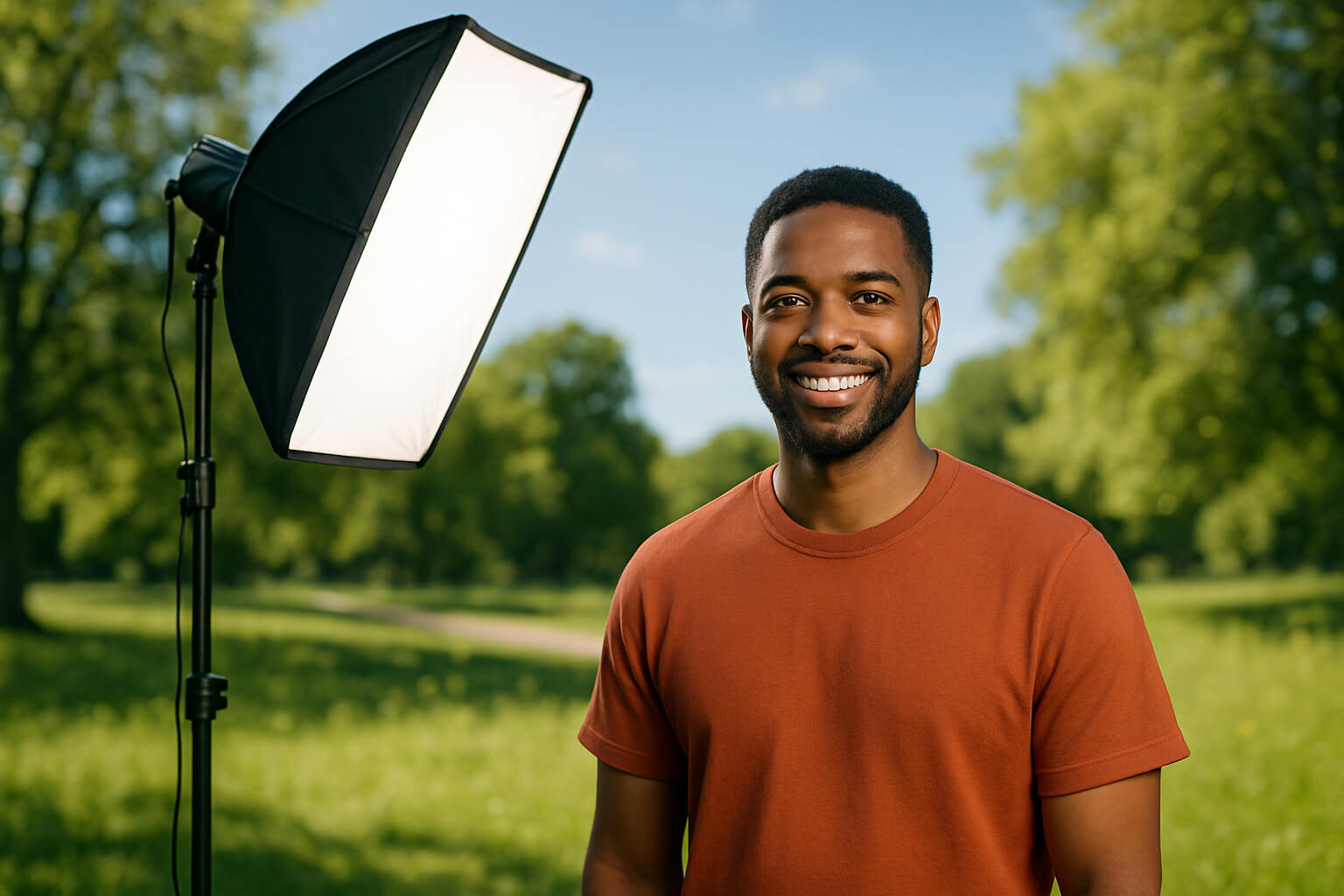
Outdoor photography often benefits from the natural beauty of sunlight, but there are times when that same sunlight can be harsh or uneven, throwing off your exposure. In these situations, mastering flash photography outdoors can be your secret weapon. By using flash outdoors, you gain full control over lighting, balance exposures, and create dynamic, professional-quality images regardless of the lighting conditions.
Flash isn’t just for low-light conditions indoors — it’s an incredibly versatile tool that can dramatically improve your outdoor shots. Here are a few reasons why you should use flash in outdoor photography:
To fully take advantage of outdoor flash photography, you’ll need the right equipment. Here’s a list of essential gear:
Mastering outdoor flash requires an understanding of the different ways flash can be used to manipulate light. Here are some essential techniques to get you started:
High-speed sync (HSS) allows you to use fast shutter speeds (1/1000s or faster) while still syncing your flash, which is essential for bright outdoor environments. This enables you to use wider apertures for a shallow depth of field, even in bright sunlight.
Experimenting with the direction of your flash can add dimension and drama to your shots. By positioning the flash off-camera or at different angles, you can create more interesting lighting effects.
Techniques:
Neutral density (ND) filters are useful when you're shooting in bright sunlight and want to reduce the amount of light entering the lens. This allows you to use wider apertures or slower shutter speeds without overexposing the image, giving you more control over the flash exposure. The Best Filters for Dramatic Landscape Photograph
Even with perfect flash settings, post-processing plays an important role in fine-tuning your images. Here are some key steps for post-processing outdoor flash photos:
Here are some pro tips to ensure your flash photography outdoors goes smoothly:
Mastering outdoor flash photography allows you to have full control over your lighting and create stunning images regardless of the environment. By learning how to balance ambient light with flash, using techniques like HSS, and refining your post-processing skills, you can take your outdoor photography
to the next level. Happy shooting!
Stay up to date with the newest tips, gear reviews, and step-by-step guides to elevate your photography journey from home and b


