
June 09, 2025
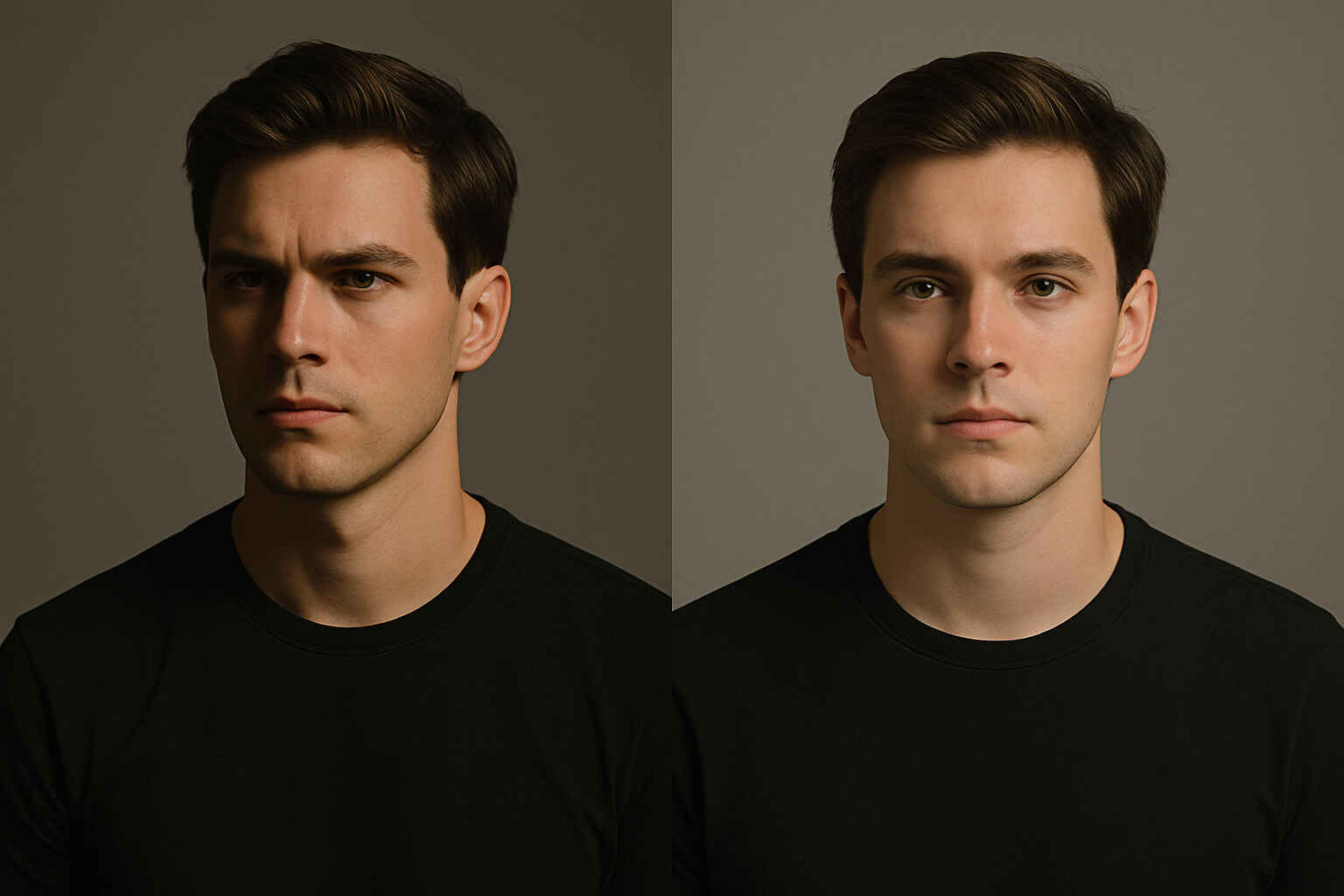
Lighting controls how your subject looks and feels. Understanding the differences between hard and soft lighting is essential to telling your story visually. Let’s break down each type in more detail.
Hard lighting is defined by sharp, well-defined shadows and high contrast. This happens because the light source is small relative to the subject and emits light rays in a direct, narrow path.
.
Example setup: Use a bare speedlight or spotlight aimed directly at your subject without diffusion. Learn more about working with controlled light here: Photography Artificial Lighting – A Beginner’s Guide
External product suggestions:
Soft lighting happens when the light source is large relative to the subject or when light is diffused through a material, spreading rays over a broader area.
Example setup: Use a large softbox, umbrella, or natural window light filtered through sheer curtains. Explore soft lighting setups more here: Best Lighting Setup for Portrait Photography
External product suggestions:
Want to master creative lighting setups? Check this out: What is Rembrandt Lighting in Photography?
Learn more about professional setups here: Best Lighting Setup for Streaming in 2025
Absolutely! Mixing light qualities can add dynamic visual interest.
Want to learn creative lighting techniques? Explore here: What is Split Lighting in Portrait Photography?
Hard and soft lighting are much more than technical terms. They are tools for storytelling, mood-setting, and defining form. Mastering the use of each—and knowing when to mix them—will give your work professional polish and emotional depth.
Related Reads:
Stay up to date with the newest tips, gear reviews, and step-by-step guides to elevate your photography journey from home and beyond.


