
May 11, 2026
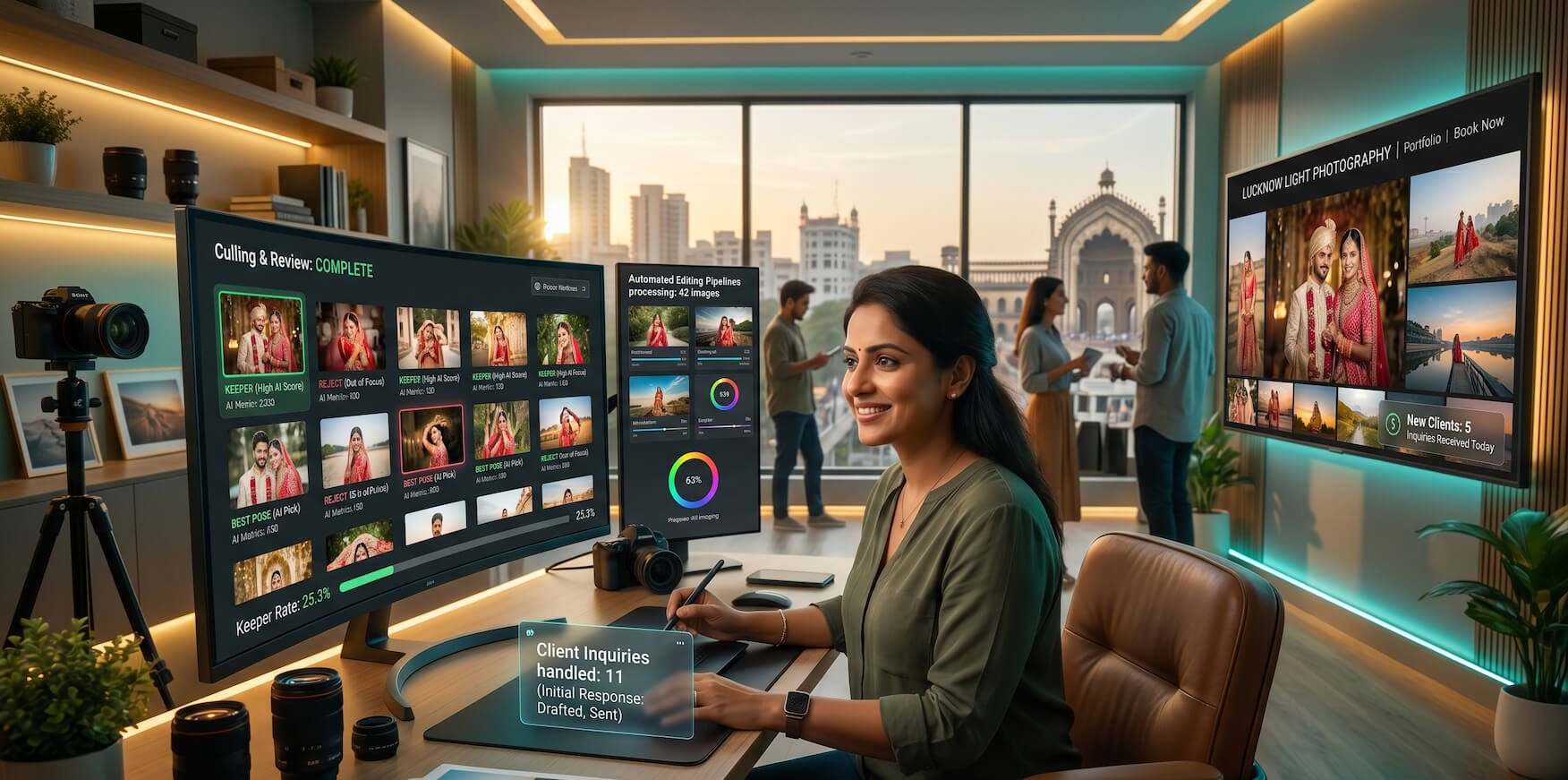
Every significant technological shift in photography history has followed a predictable pattern — initial resistance from established practitioners, gradual adoption by early innovators, and eventual universal integration once the advantages became undeniable. Digital photography followed this pattern. Mirrorless camera technology followed it. Social media as a client acquisition channel followed it. In each case, the photographers who engaged early built advantages that latecomers spent years trying to close.
Artificial intelligence is following the same pattern — at a faster pace than any previous photography technology transition. The AI capabilities that seemed experimental two years ago are standard professional tools today. The capabilities that seem experimental today will be standard tools within twelve to eighteen months. Understanding which trends are real, which are commercially significant, and which represent genuine creative opportunity is how photographers make smart decisions about where to invest their professional development attention.
This guide covers every major AI trend shaping photography in 2026 — what is driving each one, what it means practically for your photography business and creative practice, and how to position yourself to benefit rather than be caught flat-footed by it.
The photographers who have benefited most from AI in photography are consistently those who engaged with emerging capabilities before they became universal — developing expertise while the learning curve still represented a differentiating investment rather than a baseline expectation. The AI trends in this guide are at different stages of that maturation curve: some are delivering competitive advantage today, some are approaching the tipping point where adoption becomes necessary rather than advantageous, and some are early enough that building expertise now creates leadership positioning for the next phase of photography's AI evolution.
For a structured evaluation of the specific platforms delivering the most commercially mature versions of these trends, the AI tools comparison guide for photographers in 2026 provides honest, detailed analysis that makes platform selection a strategic professional investment.
The ten trends in this guide point toward a photography industry that is more efficient in post-production, more systematic in client management, more consistent in marketing, more professionally presented online, and more creatively ambitious — powered by AI tools that compress the operational overhead of professional photography to the point where creative energy can stay where it belongs: behind the camera and in the creative relationships that produce great work.
The photographers building the most competitive positions in 2026 are those engaging with these trends deliberately — not adopting every new tool impulsively, but making strategic decisions about which trends represent genuine competitive opportunity and investing in them with sufficient depth to develop real expertise before the window of differentiation closes.
The trends are clear. The tools are accessible. The professional development opportunity of early, deliberate engagement is real and significant. The question for every photographer is simply how deliberately and how soon they begin building the AI capability that will define photography business leadership for the decade ahead.
Ready to identify the specific platforms driving these trends most effectively for photographers like you? The AI tools comparison guide for photographers in 2026 gives you the structured, honest platform evaluation you need to build your photography AI capability with confidence — and position yourself at the leading edge of the trends shaping professional photography right now.
Stay up to date with the latest tips, expert insights, product reviews, and step-by-step guides to help you grow, create, and succeed—no matter your industry or passion.


