
Green Home Solutions: Making Your House Eco-Friendly

September 04, 2025

By RocketPages

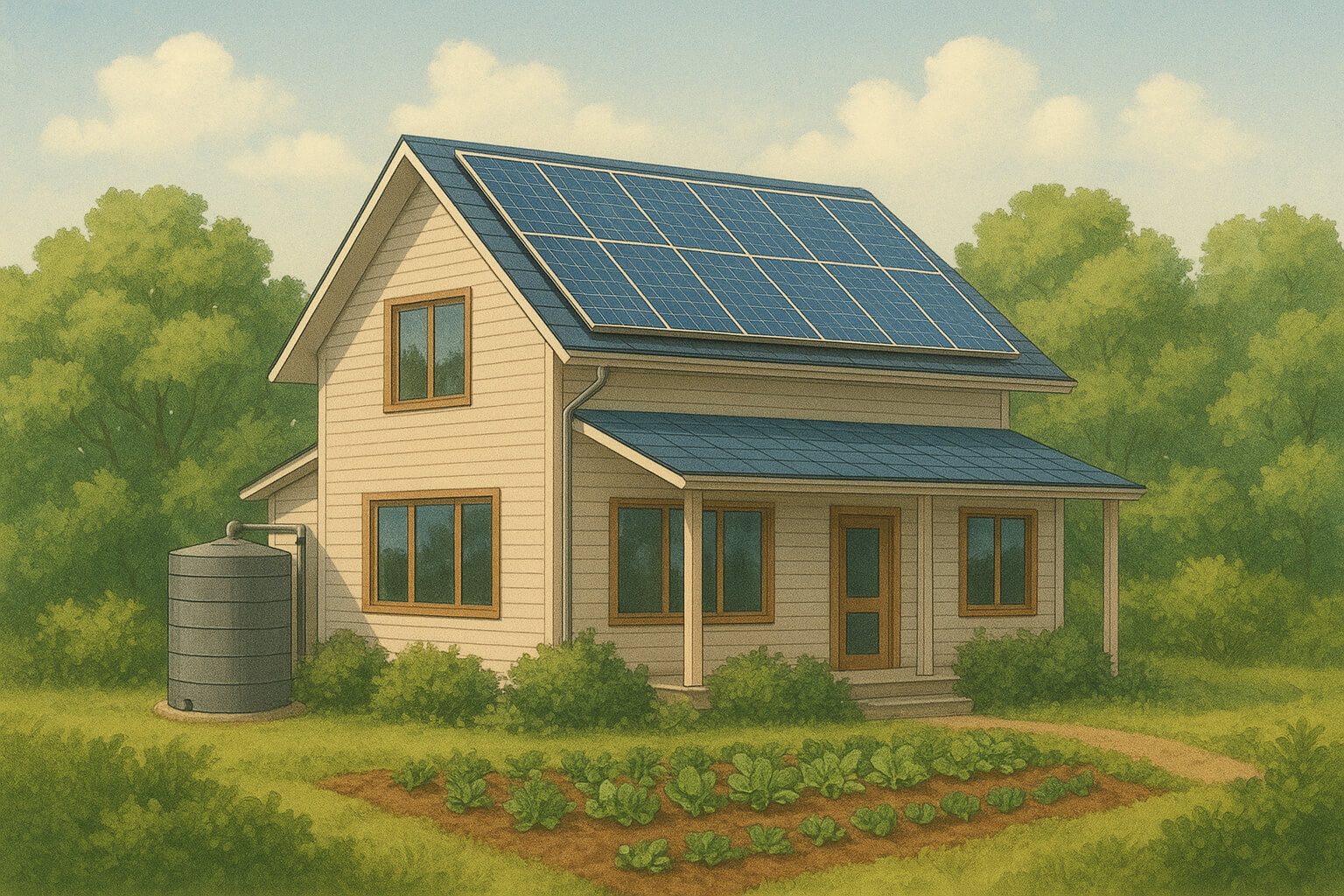
Illustration of a modern eco-friendly home with solar panels, a green roof, and rainwater harvesting system, surrounded by trees and a garden.

As climate change accelerates and natural resources become increasingly strained, many families are reevaluating their lifestyles and looking for ways to live more sustainably. One of the most impactful places to start is at home. The good news? Creating an eco-friendly home doesn’t require massive renovations or major sacrifices. Small, intentional adjustments can significantly reduce your environmental footprint while also improving your quality of life.

Why Go Green at Home?

Transitioning to a more eco-conscious home lifestyle offers both environmental and personal benefits. According to the U.S. Environmental Protection Agency (EPA), sustainable choices like energy- and water-efficient appliances, waste reduction, and better insulation can lead to lower utility bills, cleaner indoor air, and improved public health.

Environmental Impact:

  • Reduced carbon emissions from household energy use
  • Less waste ending up in landfills and oceans
  • Decreased water usage and pollution

Financial Savings:

  • Energy-efficient appliances can lower electricity bills by up to 30%
  • Water-saving fixtures can cut water bills by 20–40%
  • Long-lasting sustainable materials reduce long-term maintenance costs

For more everyday ideas on adopting a green lifestyle, visit this helpful eco-conscious living guide.

Energy Efficiency: Powering Smarter, Not Harder

Improving your home’s energy efficiency is one of the most effective ways to reduce emissions and save money. Here’s how:

Smart Energy Upgrades:

  • Install Solar Panels: Once a luxury, solar panels have become more accessible thanks to tax incentives and falling installation costs. They can offset a major portion of your electricity use.
  • Upgrade Insulation: Poor insulation leads to heating and cooling losses. Insulating attics, walls, and floors helps regulate indoor temperatures and reduce HVAC demand.
  • Switch to LED Lighting: LEDs use up to 75% less energy and last up to 25 times longer than traditional bulbs.

Other Energy-Saving Tips:

  • Use smart thermostats to optimize heating and cooling schedules.
  • Unplug electronics when not in use or use smart power strips.
  • Install energy-efficient windows to reduce heat transfer.

More insights are available in this detailed energy efficiency breakdown, which explores costs vs. long-term savings.

Water Conservation: Every Drop Counts

As global demand for fresh water increases and droughts become more frequent, conserving water at home is not just responsible—it’s necessary.

Simple Water-Saving Solutions:

  • Low-Flow Fixtures: Install water-saving faucets, showerheads, and toilets. A single low-flow showerhead can save up to 2,900 gallons per year.
  • Rainwater Harvesting: Collect rainwater for garden irrigation, car washing, or outdoor cleaning. Systems range from DIY barrels to advanced underground storage.
  • Fix Leaks Promptly: A dripping tap can waste over 3,000 gallons of water annually.

Landscape Smarter:

  • Use drought-tolerant native plants.
  • Opt for drip irrigation systems to minimize evaporation.

Access more practical solutions through this household water-saving guide or refer to the WHO’s water conservation fact sheet for global context.

Sustainable Materials: Eco-Friendly Choices for Building and Decorating

When renovating or redecorating, choosing sustainable materials can reduce your home’s environmental impact while also improving indoor health.

Eco-Friendly Options Include:

  • Bamboo or Reclaimed Wood Flooring: Bamboo grows quickly and is highly renewable, while reclaimed wood reduces deforestation and adds unique character.
  • Non-Toxic Paints and Finishes: Many traditional paints contain VOCs (volatile organic compounds), which contribute to indoor air pollution. Choose low- or zero-VOC alternatives.
  • Recycled or Upcycled Furniture: Instead of buying new, consider thrift shopping, repurposing, or buying from companies that use reclaimed materials.

Looking for design inspiration? Check out this creative eco-home design article that blends style and sustainability.

Waste Reduction: Embracing the Zero-Waste Lifestyle

A large portion of household waste ends up in landfills, where it contributes to methane emissions and environmental pollution. Adopting a zero-waste mindset doesn't mean producing no waste—it means making conscious efforts to reduce, reuse, and recycle.

Household Waste Reduction Ideas:

  • Compost Food Scraps: Composting reduces landfill waste and enriches garden soil. Even apartment dwellers can use worm bins or countertop composters.
  • Ditch Single-Use Plastics: Replace disposable bags, water bottles, and packaging with reusable alternatives.
  • Bulk Buying & Refill Stations: Reduce packaging waste by buying in bulk and supporting stores with refillable containers.

Learn more through the Zero Waste International Alliance or get started with this easy-to-follow zero-waste living guide.

The Bigger Picture: Your Role in a Greener Future

Your home is more than just a living space—it's a hub of daily impact. When individuals adopt green home practices, they become part of a collective movement with the power to shape environmental policy, influence markets, and safeguard natural ecosystems.

Small Changes That Scale:

  • Replacing a single plastic bottle = 167 saved annually per person
  • Turning off unused lights = 1,000+ lbs of CO₂ avoided each year
  • Composting = 30% less trash sent to landfills

Going green isn’t about being perfect—it’s about being intentional and consistent. Whether you’re investing in solar panels or simply switching to reusable shopping bags, every action contributes to a cleaner, healthier planet for future generations.

“We do not inherit the Earth from our ancestors—we borrow it from our children.”

Ready to Start?

Adopting a greener home lifestyle doesn’t happen overnight, but it’s easier than ever to start. Here’s a quick action list you can implement today:

Quick Green Home Checklist:

  • Swap out incandescent bulbs for LEDs
  • Install a low-flow showerhead
  • Start composting kitchen waste
  • Seal doors and windows to reduce energy loss
  • Replace plastic bags with cloth or mesh alternatives
  • Research solar panel incentives in your area

By starting with a few small changes, you’ll be on the path to long-term sustainability, healthier living, and real impact.

Recent Articles

Stay up to date with the latest tips, expert insights, product reviews, and step-by-step guides to help you grow, create, and succeed—no matter your industry or passion.


Portrait studio with a sitter, soft key light and camera demonstrating directional portrait lighting
Portrait Lighting Patterns: Split, Loop and Rembrandt
Judge the light on the faceA portrait lighting pattern describes the arrangement of light and shadow on the face. It is different from the make of the light, the background color, or the overall editi...
Read More
Two educators reviewing curriculum books, sample worksheets and a checklist in a school library
Choosing a School Curriculum: A Practical Review Checklist
Clarify what decision you can makeChoosing a curriculum is different from choosing a school. A curriculum concerns the sequence of knowledge, skills, learning activities, and assessment, together with...
Read More
Teacher supporting a student using geometric learning materials and a notebook in a classroom
Personalized Learning Approaches: Goals, Support and Feedback
Begin with a learning goalPersonalized learning involves making informed choices about instruction and support for a learner. Start with the knowledge or skill being developed, not with a product or a...
Read More
