
August 15, 2025
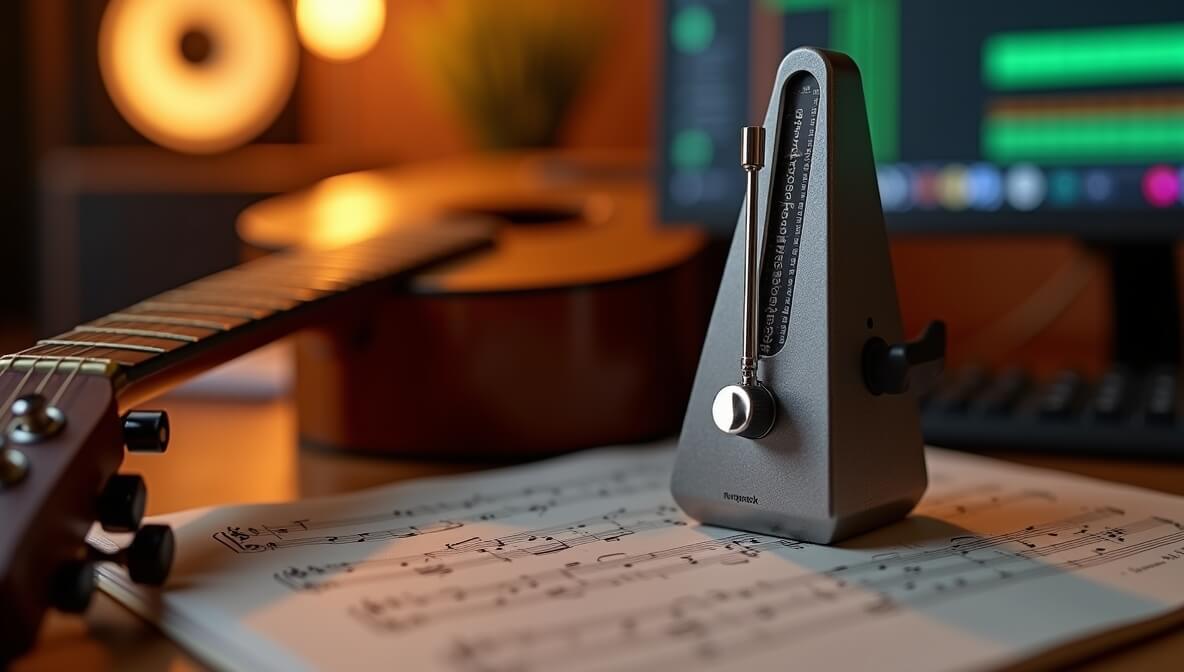
Tempo is the heartbeat of a song. It defines how fast or slow the music moves, influencing the song's mood, energy, and overall flow. Whether you're a beginner musician, an aspiring producer, or a seasoned composer, understanding Tempo and BPM (Beats Per Minute) is essential for creating cohesive, engaging music. In this guide, we’ll break down what tempo is, how BPM works, and practical tips for mastering musical timing.
Tempo refers to the speed at which a piece of music is played. It dictates the pace of a song and is one of the most important elements of music, as it helps set the overall mood. For example:
The tempo can significantly impact how listeners perceive a song. As a musician, learning to feel and internalize tempo is crucial for playing with precision and emotion. You can improve this skill by practicing with ear training exercises to enhance your ability to identify and match different tempos.
BPM is the numerical measurement of tempo. It indicates how many beats occur in one minute of music. Understanding BPM allows musicians to match the tempo with specific tracks and perform accurately.
For example:
Having an understanding of BPM is essential when playing, composing, or producing music. It helps you stay in sync with other musicians or create cohesive tracks when producing in a Digital Audio Workstation (DAW). To practice with precision, consider using a metronome—an essential tool for any musician. There are many apps and online metronomes, such as Soundbrenner, that help you keep time and ensure you’re playing at the desired BPM.
In classical music and many contemporary pieces, tempo markings are used to give performers an idea of the speed at which the piece should be played. Some common tempo markings include:
As a beginner, you’ll encounter these markings in sheet music. If you’re learning instruments like piano or guitar, understanding these terms and applying them can help you become more fluid with your playing. Resources like unlocking the piano fretboard or Beginner Guitar Chord Practice Checklist can help you grasp tempo while learning scales, chords, and rhythm.
Tempo is not just a technical element—it plays a key role in shaping the emotion and atmosphere of a song. Here's why tempo matters:
Having a clear understanding of tempo allows musicians and producers to ensure that the music is appropriate for its genre and that the tempo supports the track's mood. To get a better grasp of timing, you can refer to resources like why understanding rhythm is crucial.
Mastering tempo is essential for playing music accurately and expressively. Here are some practical tips for working with tempo in your practice and performances:
Choose a familiar exercise and identify the pulse using the explanation in your lesson. Count through a short section, then play or clap the rhythm while maintaining that reference. Notice where you hesitate, rush, or lose track of the phrase.
Use a manageable pace and change one condition at a time. Record the exercise and listen to the beginning, transition, and ending. A tempo number is useful when connected with the musical task and a repeatable reference, rather than treated as the only measure of a successful performance.
Stay up to date with the latest tips, expert insights, product reviews, and step-by-step guides to help you grow, create, and succeed—no matter your industry or passion.


