
June 20, 2025
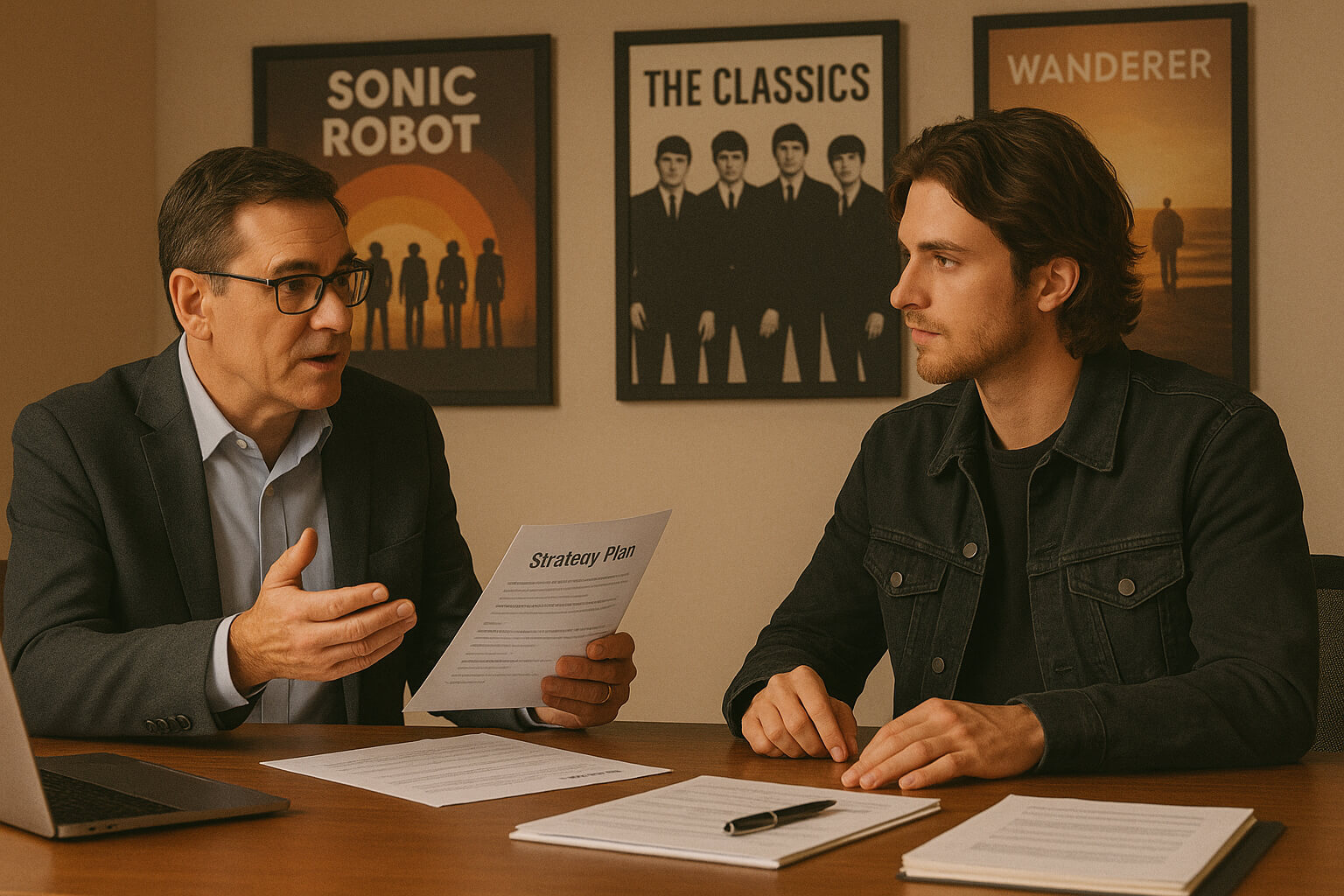
In today’s music industry, being a talented artist isn't enough. You’re also expected to be a marketer, negotiator, strategist, social media manager, and financial planner. That’s where a music manager becomes essential.
This guide breaks down:
A music manager is the central figure in an artist’s business and career development. They act as your:
Depending on the size of your career and the scope of your work, you may work with one manager wearing many hats, or a team of specialists. Here's a breakdown:
1. Personal Manager
2. Tour Manager
3. Business Manager
4. Road Manager
5. Marketing/Brand Manager
Not always—especially early on. In today’s landscape, you can:
But at a certain point, DIY has its limits. You may need a manager if:
Read: Building Your Fanbase: Strategies for Indie Musicians
A great manager won’t just say “yes” to everything—they’ll challenge you to be better. Here’s how to vet them:
Look For:
Avoid:
Pro Tip: Start with a trial period before signing anything long-term.
If you're not ready for a full-time manager, build a lightweight support team instead.
Alternative Roles:
Related reading: How to Prepare for a Music Production Consultation.
A music manager isn’t a magical fix—but the right manager at the right time can change everything. They bring experience, vision, structure, and connections to elevate your art and your income.
Think of them not as an employee, but as a business partner—someone who grows with you, not just profits from you.
List the tasks you need help with, their current owners, and the decisions that require your approval. Use that list in a conversation about responsibilities and expectations. Review any proposed agreement with appropriate professional support. A clear account of the work is more useful than assuming a title alone defines the relationship.
Stay up to date with the latest tips, gear reviews, and step-by-step guides to elevate your music journey—whether you're creating at home or performing beyond.


