
August 05, 2025
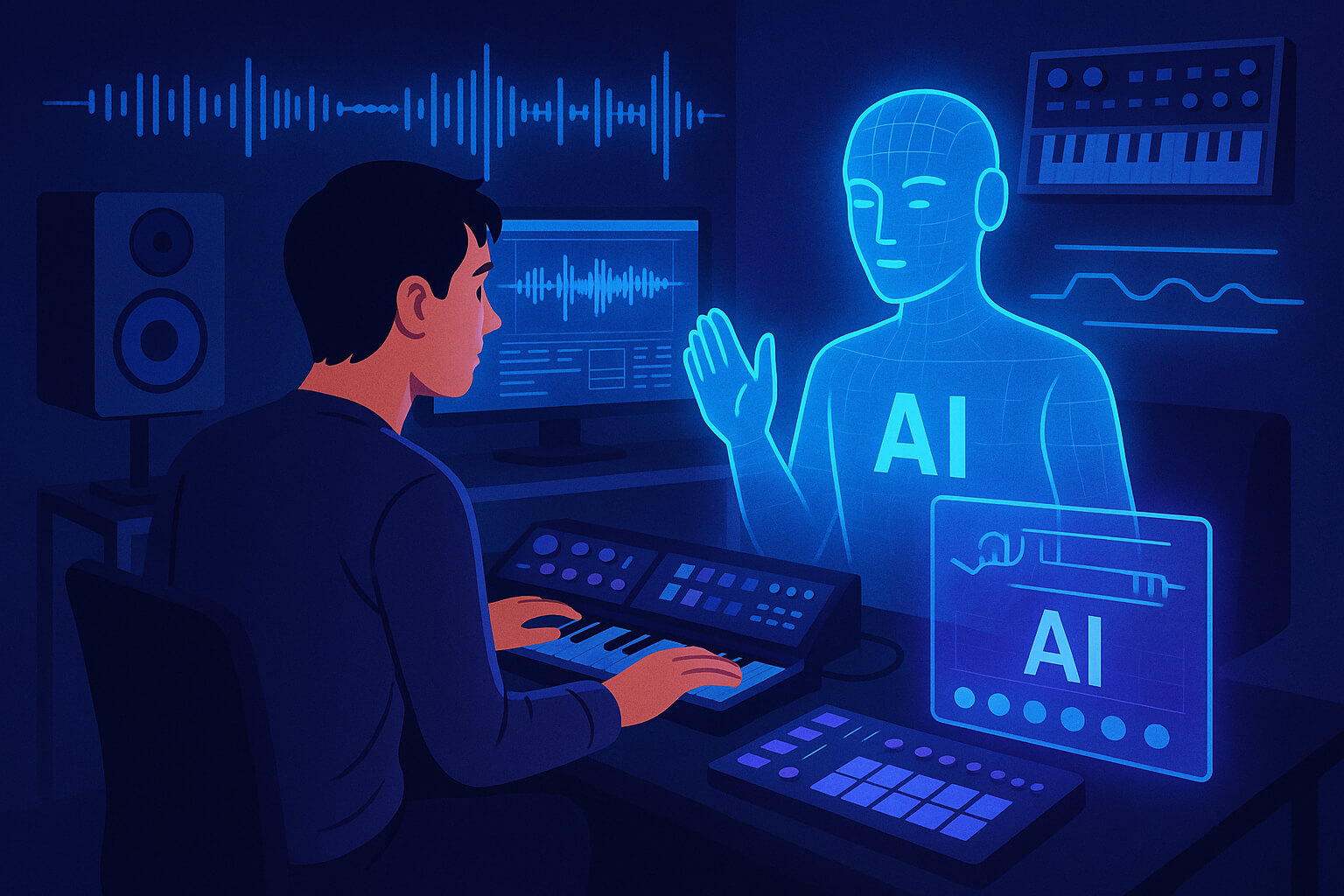
Artificial Intelligence (AI) has quietly moved from science fiction to studio toolkits. It’s composing melodies, writing lyrics, mastering tracks, and even generating entire albums. Whether you're a bedroom producer or a charting musician, AI is changing the way music is made, shared, and monetized.
But is this shift empowering or threatening? Should artists worry about being replaced—or get excited about evolving?
Let’s break down what the rise of AI in music means for today’s musicians, and what the future could look like.
One of the biggest misconceptions is that AI will replace musicians. But most artists using AI today aren’t being replaced—they’re being enhanced.
Bottom Line: Artists remain the creative directors—AI is just another instrument in their toolkit.
Not every artist can afford studio time, producers, or session musicians. AI changes that by making professional-level tools accessible to everyone.
What It Means: The quality gap between independent and major-label artists is shrinking—because tech is doing the heavy lifting.
AI isn't just changing creation—it's reshaping how music is licensed, distributed, and monetized, especially for background and commercial use.
The Opportunity: Artists who explore AI can tap into new markets—from digital ads to short-form video content and immersive experiences.
As AI grows, so do concerns—about authorship, originality, and artistic value.
The Real Question: Can AI truly replicate emotion and storytelling—or is that where the human artist will always shine?
In this AI-powered age, musicians are becoming more than just songwriters or performers. They're creative directors, curators, and tech-savvy entrepreneurs.
The Big Picture: Artists who embrace AI can do more with less—and reach farther than ever before.
AI in music isn’t about machines taking over—it’s about collaboration between technology and humanity. Artists who adopt AI as a creative partner can push boundaries, explore new formats, and expand their audience.
But success will still depend on something no algorithm can replace: your voice, your vision, your story.
The future of music isn’t AI vs. Artists. It’s AI with Artists—and the boldest, most human musicians will thrive.
An artist can evaluate a tool more clearly by setting a narrow task before opening it. For example, explore several rhythmic directions for a short instrumental introduction, or compare possible textures behind an existing melody. Keep a copy of the original idea and write down what you want to investigate. This gives you a basis for deciding whether the output helps.
After the experiment, compare the result with the brief. Did it suggest an arrangement you can develop, or merely produce a polished sound that does not fit the song? Note the editing required, the material you retained, and the decisions you made yourself. A useful experiment ends with an artistic judgment rather than an automatic decision to publish the generated result.
Organize source recordings, session files, notes, and exported versions so that you can describe how the piece developed. If you use an external service, record the service, date, relevant settings, and the terms you reviewed. Keep material that is only an experiment clearly separate from material selected for release.
This record is especially useful when collaborators join later. They need to know which parts are your recordings, which are outside materials, and which questions remain unresolved. Avoid replacing that information with broad labels such as “AI track” or “human track.” The practical issue is understanding the particular materials and decisions involved in this production.
Ask collaborators what uses of automated tools they are comfortable with and how they want those uses described. Discuss whether a demo may be uploaded to another service and which materials should remain within the team. Capture the agreement in the project notes so that assumptions do not become a source of conflict later.
Before release, review the relevant service terms, distribution requirements, and any unresolved questions with appropriate support. Do not infer permission from the fact that a tool can generate or export a file. An evaluation of sound quality and an evaluation of publication requirements are separate parts of the workflow, and both deserve time in the production schedule.
Limit the number of variations you audition in one sitting and keep a written reason for your shortlist. Then return to the song, performance, or arrangement that prompted the experiment. A tool earns its place when it helps you make a clearer musical decision that you can explain and develop.
Stay up to date with the latest tips, expert insights, product reviews, and step-by-step guides to help you grow, create, and succeed—no matter your industry or passion.


