
Is It Legal to Download Free Music? What You Need to Know in 2025

August 06, 2025

By RocketPages

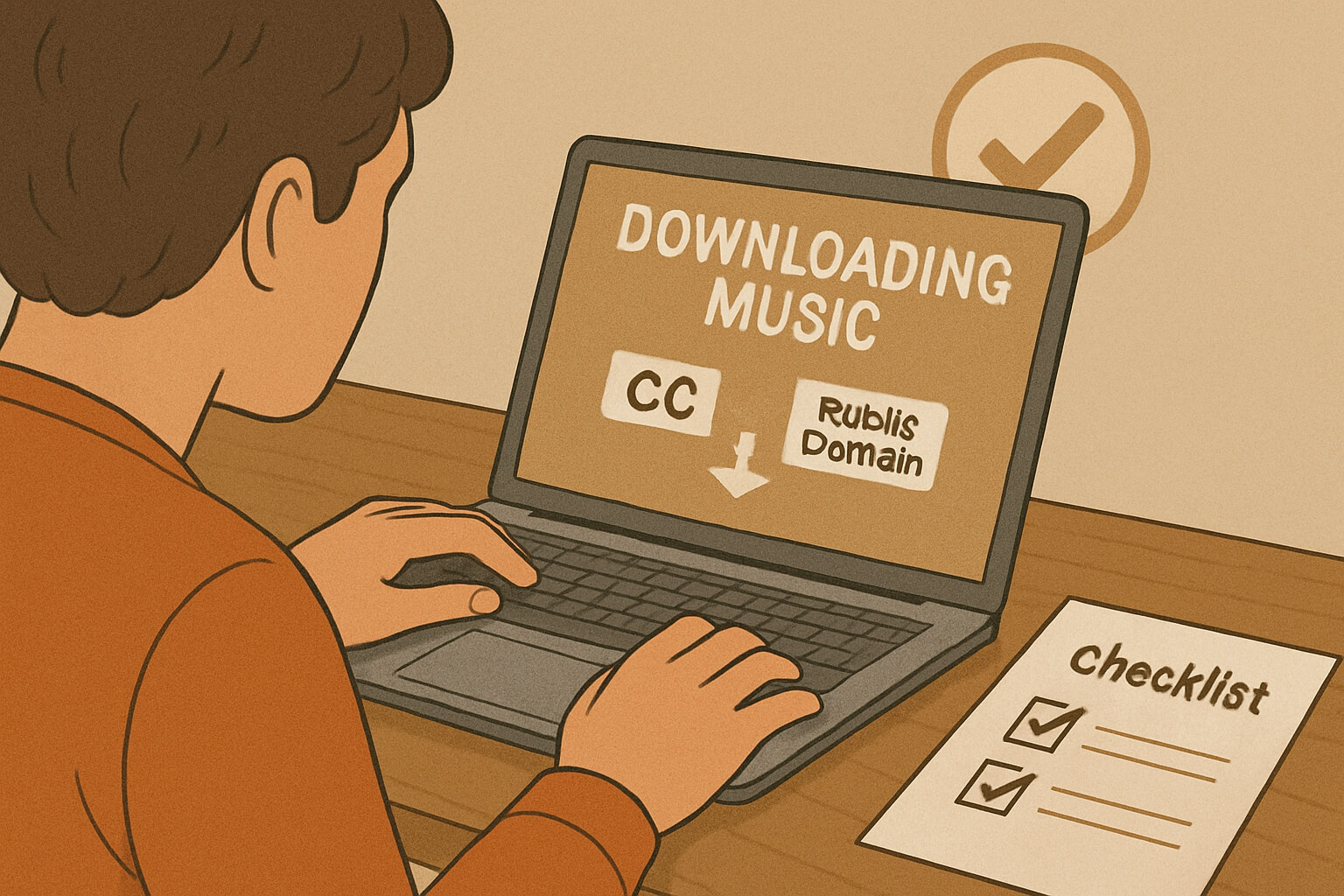
Safe and legal free music download in 2025, showing trusted sources and licensing tags on a computer screen.

Downloading free music can be a legal—and safe—way to enjoy your favorite tunes, but it comes with important rules. In 2025, with the rise of streaming platforms and strict copyright regulations, understanding where and how you can download free music legally is essential.


Let’s break down the facts to keep you informed and protected.


When Downloading Free Music is Legal


1. Public Domain Music


  • Music in the public domain is free of copyright restrictions. This typically includes:
  • Classical compositions by composers like Bach or Beethoven.
  • Older recordings whose copyrights have expired.
  • Public domain music is an excellent resource for finding timeless pieces that can be used freely.


2. Creative Commons Licensed Music


  • Many artists release their music under Creative Commons licenses, allowing free downloads with specific conditions (such as giving credit or non-commercial use). Always check the license for the exact terms.


3. Royalty-Free Music Packs


  • Websites that offer royalty-free music provide tracks you can download and use legally, though it's important to remember that "royalty-free" doesn't always mean free of charge. It typically means no ongoing fees to the creator for usage.
  • For example, platforms like How to Build a Music Reference Library for Creative Projects offer curated collections of royalty-free tracks that can help enhance your projects.


4. Promotional Free Downloads


  • Some artists and platforms offer free downloads as part of promotional campaigns. These are legal as long as they’re offered directly by the creator or an authorized distributor.


5. Educational and Non-Commercial Use


  • Some music is available for free download under non-commercial or educational use licenses. Always read the terms to ensure you're using it in a permitted way.


When It’s Illegal to Download Free Music


1. Pirated Music Sites


  • Websites that share copyrighted songs without permission are illegal. Downloading from these sites can result in copyright infringement penalties. Avoid these sites to stay safe.


2. Unauthorized Sharing Platforms


  • Peer-to-peer sharing networks and torrent sites often distribute copyrighted material illegally. These sites pose significant legal risks.


3. Using Free Downloads for Commercial Projects Without a License


  • Even if you downloaded a track for free, using it in commercial projects without proper licensing can violate copyright laws. Always ensure you have the appropriate permissions for commercial use.


Safe & Legal Sources to Download Free Music in 2025


Here are some trusted, legal sources for downloading free music:


  • YouTube Audio Library
  • Free Music Archive (FMA)
  • Jamendo
  • Incompetech (Kevin MacLeod’s music)
  • Bensound


For podcasters and creators, some platforms offer curated free music packs, ensuring you always have high-quality music at your fingertips.


Here are a few helpful links from Free Music Packs:


Tips for Staying Legal


  1. Always Check the License: Look for Creative Commons or public domain tags.
  2. Read Terms of Use: Ensure the music is cleared for your intended purpose (personal vs. commercial use).
  3. Avoid "Too Good to Be True" Sites: If a site offers the latest hits for free, it’s likely illegal.
  4. Keep Proof of Download Rights: Save licenses or screenshots as evidence to prove that you acquired the track legally.


Final Thoughts


Suggested Read Next:


Describe the planned use before evaluating a download

Write down what you intend to do with the recording. Listening privately, using a reference during editing, and placing audio in a published project raise different questions. Include where a project will appear and who will need access to the files. This description helps you find the relevant provider information or explain the situation to an appropriate adviser.

Keep a file marked as a reference separate from material selected for publication. The fact that a recording was easy to download does not complete the review for another use. If the project changes, revisit the information that supported the original decision rather than assuming that the earlier review covers every later version.

Keep the source connected to the exact file

Record the track title, creator or supplier, source page, date checked, and the location of the applicable terms. Save any supplied credit instructions with the project. A broad description of a website is less useful than information identifying the particular recording and arrangement you are considering.

When several sites host similar material, check that the source record actually identifies the file you have. If you cannot connect a download to clear information about its source and conditions, mark the issue as unresolved. Do not turn an incomplete record into a confident statement that the file is suitable for every use.

Use official guidance for unresolved legal questions

For a United States starting point, the U.S. Copyright Office FAQ explains how to approach permission questions. Use guidance relevant to your jurisdiction and intended use. Copyright questions are not resolved simply by changing a file name, giving a credit, or finding a short passage rather than a complete track.

If the provider’s terms do not answer an important point, ask the provider or seek appropriate legal advice before depending on the recording for that project. Keep the question and any response with the source record. This preserves the difference between information you confirmed and an assumption you still need to examine.

Make a release decision that can be reviewed later

Before publication, identify the selected file and version, check the relevant instructions, and confirm that any required credit task has been completed. Keep alternatives available where practical so that an unresolved question does not force a hurried choice. Record why the selected recording was accepted for this particular project.

A useful record says who checked the information, when it was checked, and where it can be found. It should also identify any condition that needs to be revisited if the distribution changes. The aim is a traceable decision supported by relevant information, rather than an unsupported promise that a category of “free music” is always safe.

Example review record

Use fields for the recording, source URL, project purpose, provider instructions, credit task, unresolved questions, and decision date. If one field remains unanswered, state that explicitly. This makes a handoff easier to understand and prevents a collaborator from treating a listening reference as cleared production material without checking its status.

Recent Articles

Stay up to date with the latest tips, expert insights, product reviews, and step-by-step guides to help you grow, create, and succeed—no matter your industry or passion.


Portrait studio with a sitter, soft key light and camera demonstrating directional portrait lighting
Portrait Lighting Patterns: Split, Loop and Rembrandt
Judge the light on the faceA portrait lighting pattern describes the arrangement of light and shadow on the face. It is different from the make of the light, the background color, or the overall editi...
Read More
Two educators reviewing curriculum books, sample worksheets and a checklist in a school library
Choosing a School Curriculum: A Practical Review Checklist
Clarify what decision you can makeChoosing a curriculum is different from choosing a school. A curriculum concerns the sequence of knowledge, skills, learning activities, and assessment, together with...
Read More
Teacher supporting a student using geometric learning materials and a notebook in a classroom
Personalized Learning Approaches: Goals, Support and Feedback
Begin with a learning goalPersonalized learning involves making informed choices about instruction and support for a learner. Start with the knowledge or skill being developed, not with a product or a...
Read More
