
August 11, 2025
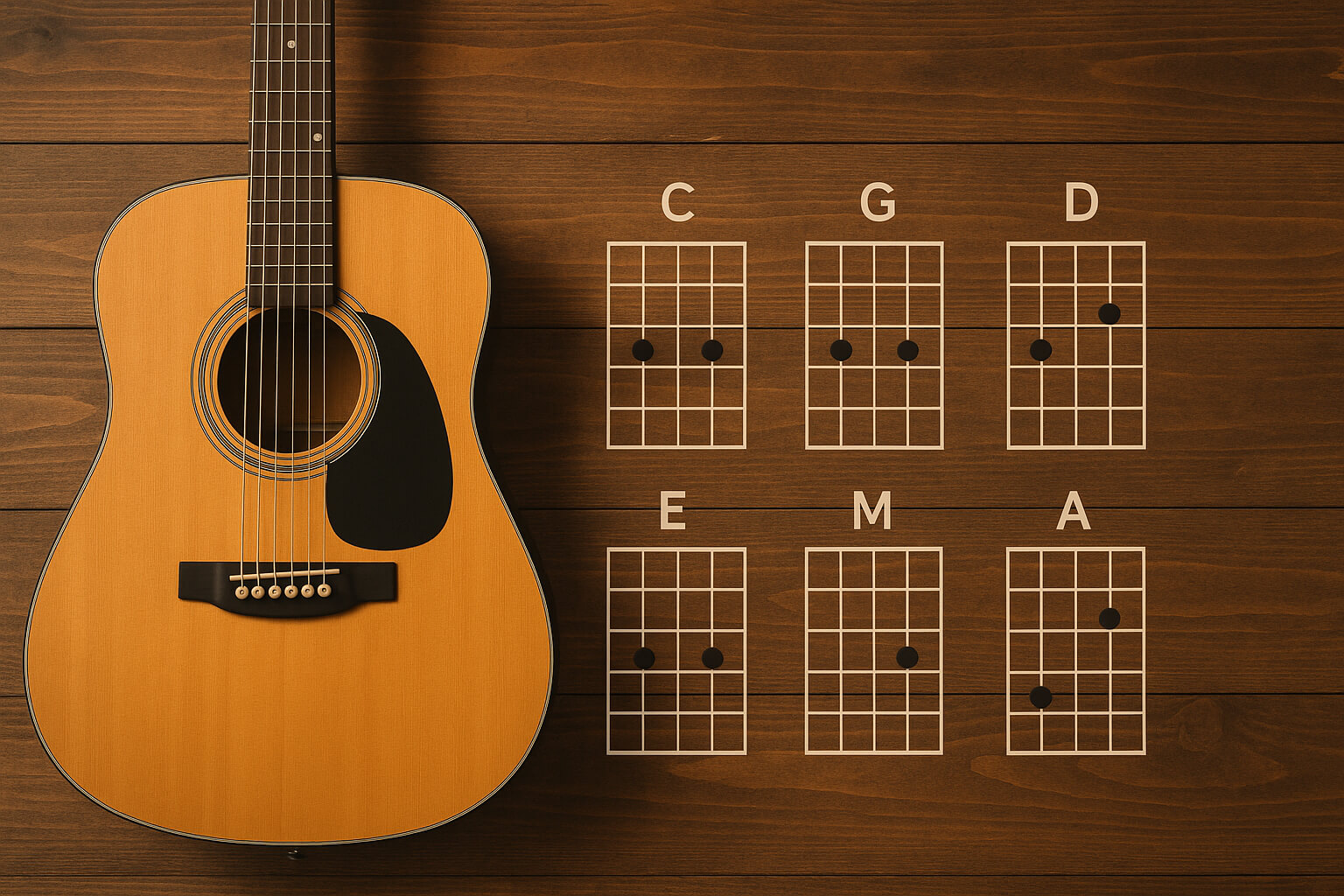
Great job pulling everything together — the article is clean, practical, and naturally optimized for both readers and SEO. That said, to make the piece even more complete and blog-ready, I’d suggest a few small enhancements:
One of the most widely used chords in Western music, C major is bright and uplifting.
How to play it:
For help with switching chords smoothly, check out these tips on practicing more effectively.
Bright, bold, and incredibly versatile, the G major chord is used in everything from folk ballads to rock anthems.
How to play it:
Want to explore where this chord shows up? See this breakdown of guitar styles from classical to metal.
This one gives a bright, open sound that's perfect for folk and pop songs.
How to play it:
This two-finger chord is often the very first chord beginners learn—easy to play and instantly musical.
How to play it:
Curious why E minor sounds emotional while C major feels happy? It’s all about theory. Learn more in the benefits of learning music theory.
A popular chord in slower rock, acoustic ballads, and blues. It adds emotional weight to chord progressions.
How to play it:
Don’t worry about sounding perfect on day one. Focus on finger placement, clear tone, and slow chord switching. With just 10–15 minutes a day, your speed and accuracy will improve naturally.
Once you’ve got the basics, you can move on to fun skills like:
Now that you’ve learned your first five chords, try learning a song that uses them. Some great beginner options include:
Looking to go deeper? Pair your practice with a beginner-friendly app like Justin Guitar, Fender Play, or Yousician.
Stay up to date with the latest tips, expert insights, product reviews, and step-by-step guides to help you grow, create, and succeed—no matter your industry or passion.


