
January 20, 2026
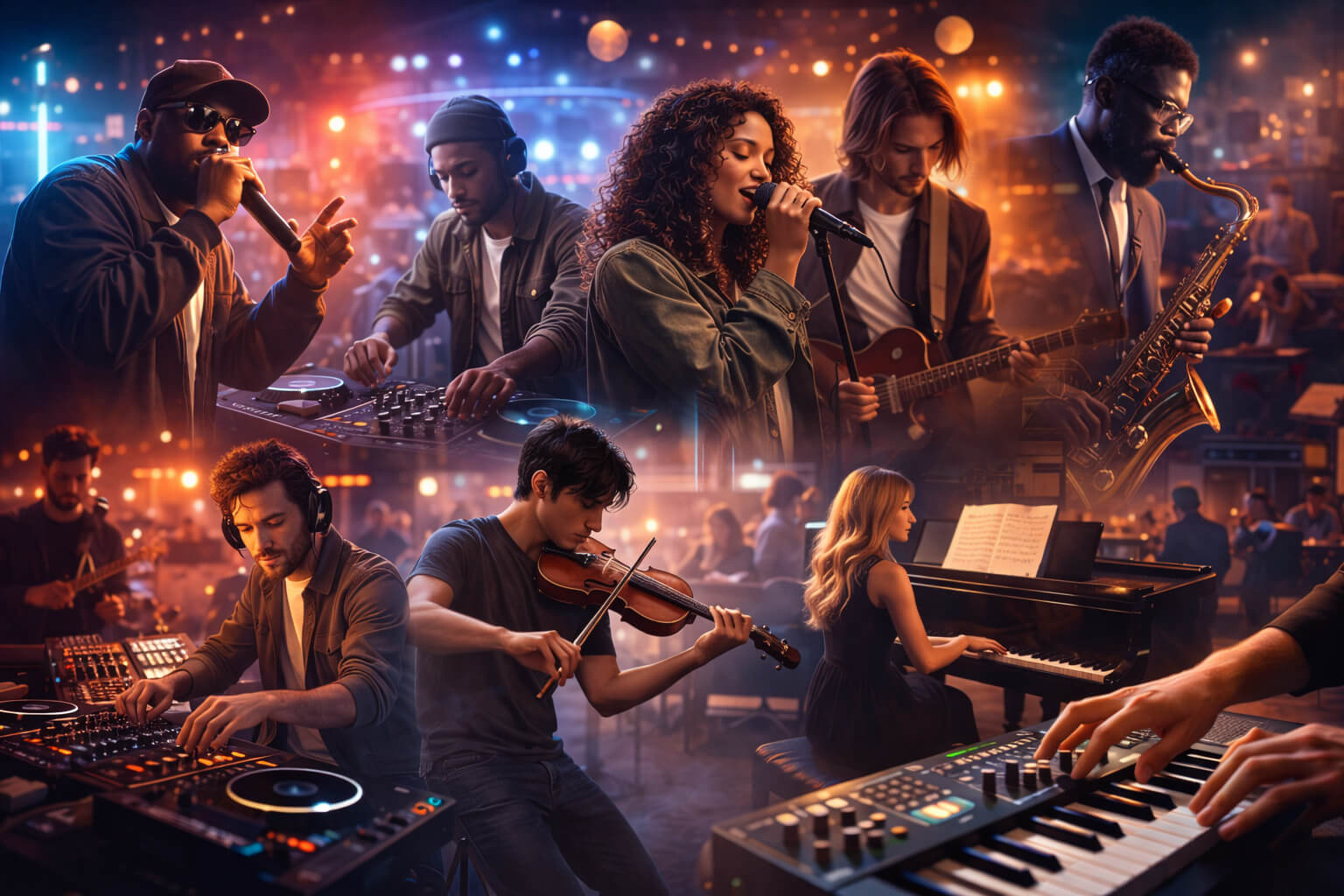
Music in 2026 is more diverse, global, and creator-driven than at any point in history. Thanks to streaming algorithms, social media discovery, short-form video platforms, and independent distribution tools, genres now evolve faster than traditional industry labels can keep up.
What’s popular today is no longer defined only by radio charts or major labels. Instead, genre popularity is shaped by online communities, cultural movements, emotional relevance, and how well music integrates into people’s daily lives—whether that’s for motivation, focus, identity expression, or escapism.
This in-depth article explores the most popular music genres in 2026, why they dominate modern listening habits, and how understanding these genre shifts helps listeners, artists, and producers stay culturally and creatively relevant.
In the past, genres were primarily marketing categories. In 2026, they function as discovery engines and identity markers.
Genres now directly influence how music is recommended by algorithms, how it spreads on social platforms, and how artists present themselves visually and emotionally. A song’s genre affects playlist placement, audience targeting, licensing opportunities, and even how fans emotionally connect with the artist behind the music.
For creators, understanding genre evolution is no longer optional. It determines whether music gets discovered or buried. This shift toward a streaming-first, algorithm-driven ecosystem is explained clearly in The Evolution of Music Consumption – From CDs to Streaming
Hip-hop remains one of the most influential and dominant genres in 2026, but it has expanded far beyond traditional rap formats.
Modern hip-hop blends melodic rap, experimental production, regional influences, and genre crossovers with pop, electronic, jazz, and even classical elements. Artists are no longer confined to a single sound, and fans embrace fluidity rather than purity.
Hip-hop’s strength lies in its ability to reflect real-life experiences and cultural movements. It continues to shape language, fashion, social commentary, and digital trends. Global hip-hop scenes—from Africa, Europe, and Asia—now influence mainstream sounds just as much as American artists.
Its cultural depth and influence are explored further in The Cultural Impact of Hip-Hop – More Than Just Music
Indie and alternative music thrive in 2026 because the barriers to entry are lower than ever. Artists no longer need major labels to reach global audiences, and listeners actively seek authenticity over polish.
Streaming platforms reward consistency and niche engagement rather than mass appeal. This allows indie artists to build loyal fanbases by speaking directly to specific emotions, aesthetics, and communities.
Indie music today is less about a single sound and more about an approach to creation—self-expression, experimentation, and creative control. Many artists blend indie sensibilities with pop hooks, electronic textures, or folk storytelling.
The shifting power balance between independent artists and major labels is discussed in The Pros and Cons of Independent vs Major Record Labels
For artists navigating this landscape, long-term growth strategies are essential: Building Your Fanbase – Strategies for Indie Musicians
Electronic music in 2026 has evolved far beyond nightlife culture. While festivals and clubs remain important, electronic sounds now dominate digital spaces.
Electronic genres are deeply integrated into gaming soundtracks, livestreams, fitness content, virtual worlds, and short-form videos. Producers design tracks not only for dancing, but for looping, immersion, and mood-setting.
Advances in AI-assisted sound design and digital production tools have also lowered the barrier for experimentation. Producers can now create complex soundscapes faster than ever, leading to constant innovation within the genre.
Understanding modern production workflows is essential for anyone entering this space, as explained in Digital Audio Workstations Explained – Choosing the Right Software
Lo-fi and chill genres have become functional music rather than traditional entertainment genres.
In 2026, people don’t just listen to lo-fi for enjoyment—they use it intentionally. These genres support studying, remote work, relaxation, emotional regulation, and sleep. Streaming platforms actively promote this music through mood-based and activity-based playlists.
The appeal lies in simplicity, repetition, and emotional neutrality. Lo-fi doesn’t demand attention; it creates a safe sonic environment that helps listeners focus or unwind.
The science behind music’s impact on stress and concentration is explored in Music for Stress Relief – Beyond Just Relaxation Playlists and Using Music for Focus – Science-Backed Strategies
Afrobeat and global fusion genres are among the fastest-growing sounds in 2026, driven by global connectivity and cultural exchange.
These genres thrive because they combine strong rhythmic foundations with modern production and cross-cultural collaboration. Social media dance trends, global touring, and international streaming playlists amplify their reach.
Rather than fitting into Western genre categories, global fusion music often blends multiple traditions at once—African rhythms, Caribbean grooves, Latin melodies, and electronic textures.
To truly understand these genres, rhythm literacy is essential, as explained in Why Understanding Rhythm Is Crucial for Every Musician
Once considered niche or academic, jazz, blues, and neo-soul have found new life among younger listeners.
Modern artists fuse these genres with hip-hop beats, electronic production, and contemporary storytelling. Improvisation and expressive musicianship feel refreshing in an era dominated by algorithmic sameness.
Listeners are drawn to the authenticity and emotional depth these genres offer. They value musicianship, storytelling, and human imperfection—qualities that stand out in a hyper-digital landscape.
The importance of improvisation is explored in The Role of Improvisation in Jazz and Blues Music Understanding the roots of these sounds adds even more depth: Exploring the Roots of Blues Music – From Delta to Electric
Classical and cinematic music have experienced a revival thanks to film, television, gaming, and streaming culture.
Many listeners encounter orchestral music not in concert halls, but through soundtracks, ambient playlists, and hybrid compositions that blend classical instrumentation with electronic elements.
In 2026, classical music is no longer perceived as outdated—it’s seen as emotional, immersive, and timeless. It’s often used for focus, relaxation, and storytelling.
For newcomers, classical music is easier to approach with context, explained in Understanding Classical Music – Composers, Eras, and Forms
One of the defining traits of music in 2026 is the explosion of micro-genres.
Algorithms reward specificity. Instead of trying to appeal to everyone, artists succeed by appealing deeply to a small, dedicated audience. This has led to the rise of hyper-specific sounds that thrive within online communities.
These genres may never top charts, but they generate strong engagement, loyal fans, and long-term sustainability.
This trend is explored further in Beyond the Charts – Exploring Obscure Music Genres
For artists and producers, understanding genre trends is a strategic advantage.
Genre awareness influences how music is tagged, marketed, playlisted, and licensed. It affects visual branding, social content, and audience targeting. Artists who understand their genre ecosystem can make smarter creative and business decisions.
Distribution knowledge plays a key role in this process: Music Distribution Explained – Getting Your Music on Spotify and Apple Music
The most popular music genres in 2026 are not defined solely by charts or sales numbers. They are shaped by culture, technology, emotion, and community.
For listeners, genres guide discovery and identity.
For artists, genres guide strategy and sustainability.
For the industry, genres reveal where culture is heading next.
In a world of infinite music, understanding genre evolution is how both creators and listeners stay connected, inspired, and relevant.
Stay up to date with the latest tips, expert insights, product reviews, and step-by-step guides to help you grow, create, and succeed—no matter your industry or passion.