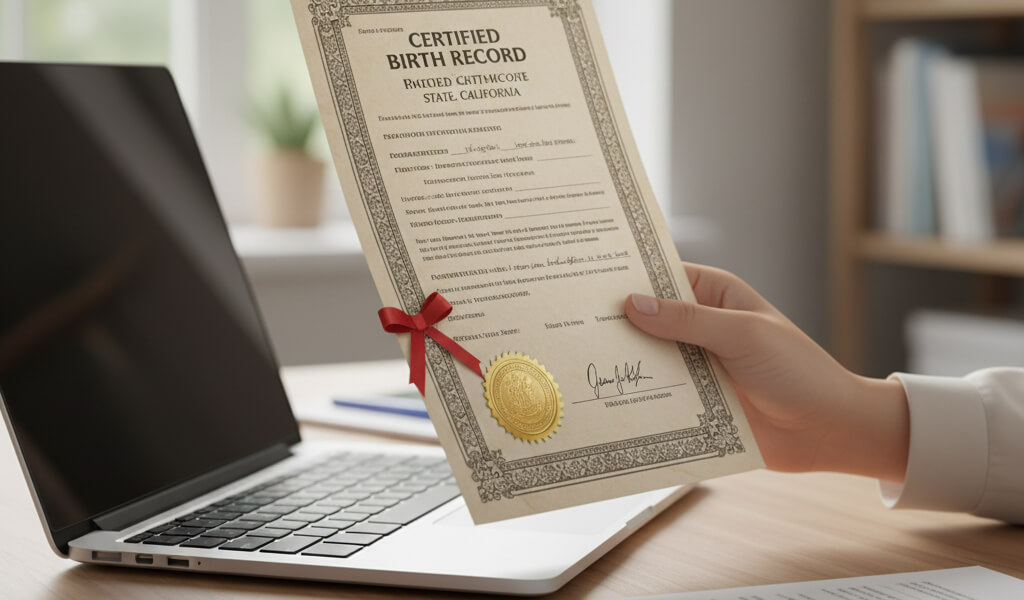
A birth certificate is a fundamental legal document used for a variety of official purposes, including proving your identity, citizenship, and familial relationships. Whether you need it for getting a passport, enrolling in school, or during legal proceedings, it’s important to know the proper steps to obtain this crucial record while safeguarding your personal information.
Step 1: Identify Where the Certificate Was Issued
The first step in obtaining a birth certificate is determining where it was originally filed. Birth certificates are held by the vital records office in the state or county where the birth occurred.
- For U.S. Citizens:
- The first place to start is the CDC’s Vital Records Directory. This tool provides a state-by-state guide to the necessary steps, forms, fees, and contact information for the appropriate vital records office. Depending on the state, you may need to send in a paper request, or you may have the option to request online or in-person.
- For International Births:
- If you were born outside of the United States to U.S. citizen parents, you’ll need to request a Consular Report of Birth Abroad (CRBA) from the U.S. Department of State. This report serves as an official record of your birth abroad and can be requested through the Department of State’s Consular Services. Make sure to gather the necessary documentation for verification when applying.
Step 2: Determine the Type of Copy You Need
There are two types of birth certificate copies available:
- Certified Copy
- This is the official government-issued copy that includes a raised seal or stamp. A certified copy is required for many legal and government-related procedures, such as applying for a passport, enrolling in school, registering for Social Security, or participating in legal proceedings (such as divorce or inheritance cases).
- Informational Copy
- Informational copies are primarily used for personal or genealogical records and cannot be used for legal purposes. These are typically not certified, and while they will show the same information as the certified copy, they are usually stamped with the phrase "Informational, Not a Valid Document to Establish Identity."
Choosing the right type of copy is important, as requesting the wrong one can lead to delays in your application for identification or other legal matters.
Step 3: Gather the Required Information
When requesting a birth certificate, make sure to gather all the necessary information to prevent delays or rejections of your request. Most states require the following:
- Full Name at Birth: The complete name of the person listed on the birth certificate.
- Date and Place of Birth: The exact date (month, day, and year) and the location (city, county, and state) where the birth occurred.
- Parent(s) Name(s): The names of the biological parents as they appeared on the original birth record.
- Government-Issued Photo ID: Most requests will require you to provide proof of identity. A driver’s license, passport, or state-issued ID card is usually sufficient.
- Proof of Relationship: If you are not the person named on the certificate (such as when a parent is requesting a certificate for a child), you will need to provide documentation proving your relationship. This could be a legal guardianship order, marriage certificate, or similar legal documents.
For a detailed look at organizing legal records and documentation for any official processes, refer to resources like The Basics of a Lawsuit, which covers steps for handling official records in legal matters.
Step 4: Submit Your Request
Once you’ve gathered the required information, you can submit your request for a copy of the birth certificate. There are generally three methods for making the request:
- Online Requests:
- Many states now offer an online service through authorized third-party providers such as VitalChek, which simplifies the process of ordering birth certificates from various states. The service often comes with an additional processing fee, but it is convenient and fast. Make sure the online service is government-approved to avoid scams.
- Mail Requests:
- To request a birth certificate by mail, complete the required application form, attach any necessary documentation, and send the form to the appropriate vital records office. Check the office’s website for specific details on what forms are needed, the address, fees, and payment methods. It’s a good idea to use certified mail to track your request and confirm delivery.
- In-Person Requests:
- For quicker processing, you can visit the vital records office in person. Some states have a walk-in service for urgent requests, which allows you to get the certificate on the same day. Be sure to bring all the necessary documents and any applicable fees. In-person requests are often the fastest way to get the document, but you may be limited by office hours and wait times.
Step 5: Protect Your Privacy
A birth certificate contains sensitive personal information. Because of this, the law restricts who can request a birth certificate. Typically, the following individuals are permitted to request a birth certificate:
- The person named on the certificate: If the individual requesting the certificate is the person listed, they are typically entitled to receive the copy.
- Parents and legal guardians: Parents or legal guardians can request the certificate for their child.
- Legal representatives: If a person has the legal right to represent someone else (for example, in cases of power of attorney), they can request the certificate on behalf of the individual.
- Authorized third parties: In some cases, a third-party request may be allowed if it’s for a legal, medical, or governmental reason.
Access rules vary by state, so always consult the National Center for Health Statistics for the most current guidelines. If you’re handling a legal dispute or need the certificate for a legal purpose, it may be helpful to consult a lawyer. For guidance on selecting the right attorney, see Why Communication Matters When Choosing a Law Firm.
Additional Tips for a Smooth Process
- Double-Check the Information:
- Before submitting your request, ensure that all the details you’ve provided (names, dates, and places) are accurate. Mistakes on the form can lead to delays in processing or a rejection of the request.
- Lost or Stolen Certificates:
- If your birth certificate was lost or stolen, consider placing a fraud alert with the credit bureaus to protect against identity theft. The alert warns creditors to verify your identity before issuing credit in your name.
- For Adopted Individuals:
- If you were adopted, special rules may apply to access your original birth certificate. In some states, birth certificates for adopted individuals are sealed, and you may need a court order or permission from a legal guardian to access them. Contact the relevant state agency for guidance on how to request an adopted person’s birth certificate.
Conclusion
Obtaining a birth certificate is generally a straightforward process, but it’s important to follow the correct steps to avoid delays and ensure you receive the right document. By gathering the required information, understanding the type of copy you need, and protecting your privacy throughout the process, you can efficiently obtain this important legal record. Whether you need it for travel, legal matters, or personal use, being proactive about securing your birth certificate will ensure you’re prepared when you need it most.