
December 26, 2025
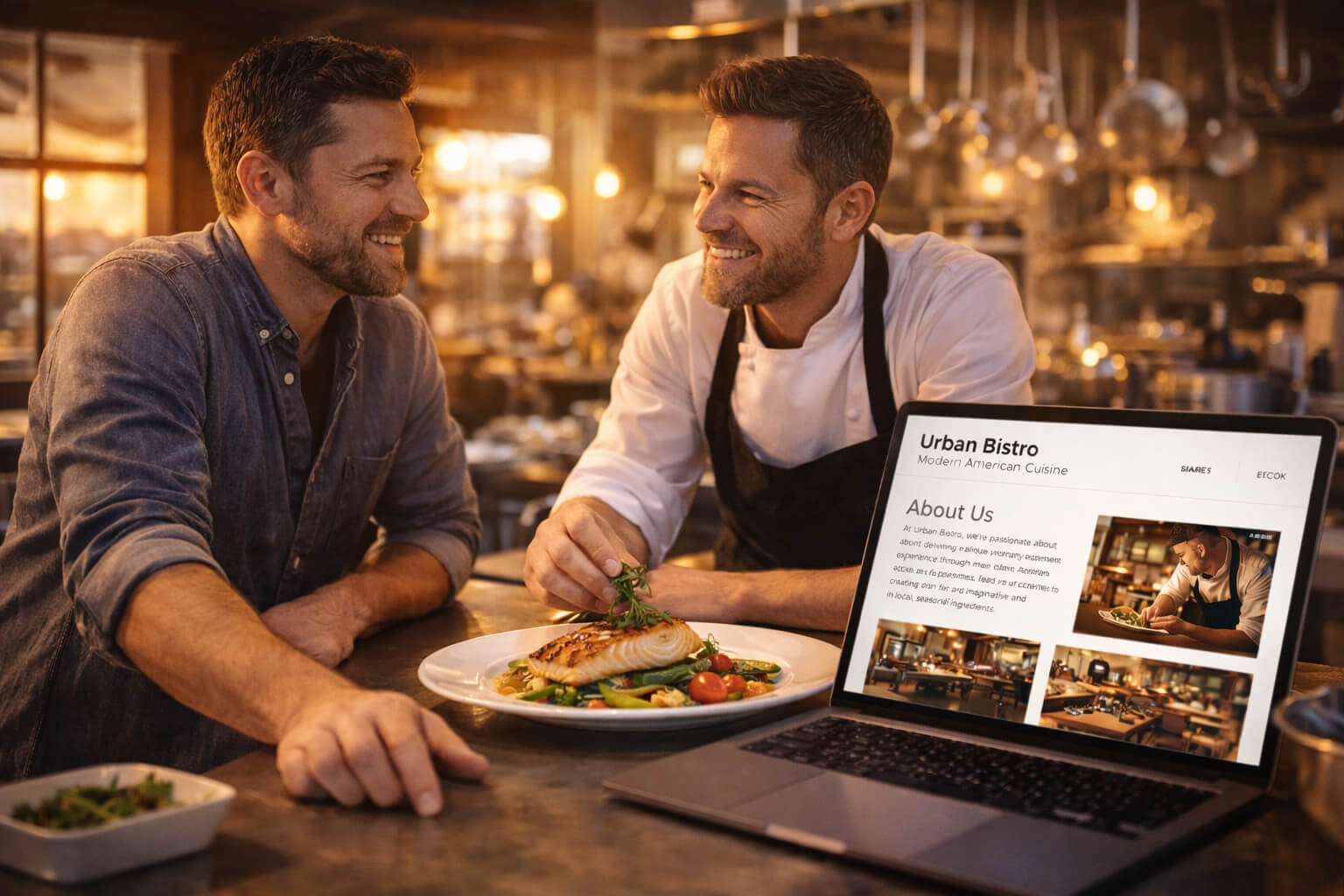
Every restaurant has a story—but most never tell it properly.
Your story isn’t just about when you opened or where your recipes came from. It’s about why you exist, what makes you different, and why diners should care. When told correctly, your restaurant’s story becomes more than content—it becomes a marketing machine that attracts, convinces, and retains customers automatically.
Here’s how to turn your restaurant’s story into a powerful growth engine.
People don’t remember discounts. They remember emotions. While promotions can temporarily spike traffic, stories create lasting connections and emotional bonds. This makes diners far more likely to return, recommend you to others, and choose your restaurant over competitors—even if they are offering discounts or special deals.
Consider a scenario: You could offer a 20% off coupon, but a diner may not remember that offer next time. Alternatively, if your story is emotionally compelling—such as a chef who grew up cooking with their grandmother or a farm-to-table restaurant that works directly with local farmers—it stays with them. These emotional narratives create a sense of belonging, and diners remember how they felt when they encountered your brand.
What does this mean for your restaurant?
Example: Think of restaurants like Blue Hill at Stone Barns, where the story of farming practices and the connection to the land is an integral part of their brand. This story creates a deeper connection with diners beyond the food itself.
Learn more about why trust is so critical in restaurant branding.
The power of storytelling lies in owning your narrative. Your website is the one platform where you have complete control over how your story is presented. In contrast, third-party review sites, social media platforms, and delivery apps all have limitations in terms of how much control you have over the content and message.
Your website is the perfect place to share:
A well-crafted story on your website goes far beyond just being informational. It pulls diners in emotionally and makes them feel more connected to your brand, which increases conversions. Visitors are much more likely to book a table or place an order when they feel a connection to the restaurant.
For example, think of the Story of Pizza, a family-owned pizzeria that started as a small neighborhood joint and grew because of the love and passion behind every dish. When told on the restaurant’s website, this story resonates with diners on a personal level, increasing their likelihood to dine there.
Why diners trust websites more than social media profiles.
Menus tell customers what you serve, but your story explains why you serve it. Your restaurant's story should explain why it exists, what makes it unique, and how that mission translates into your food, your atmosphere, and your service.
Your restaurant's "Why" should be reflected throughout your website. This is not about promoting your menu items (though those are important)—it's about giving context to everything you do and creating a deeper connection with your diners.
For example: If your restaurant is centered around sustainability, your "Why" might focus on a commitment to reduce food waste and source ingredients locally. This gives meaning to each dish on the menu.
This strengthens your brand identity and differentiates your restaurant from others, especially chains that often lack personal narratives.
Strengthen your restaurant’s brand identity with a clear story.
A powerful story isn’t hidden in one paragraph on your About Us page—it should be woven across your entire website. Every page should contribute to the bigger narrative, whether it’s a story about the restaurant’s origins, the values you stand for, or the community you’re part of. The more you embed your narrative into every touchpoint of your website, the more likely it is that diners will emotionally connect with your brand.
Here’s how to infuse storytelling into key parts of your website:
Example: On The Spotted Pig's website, the About Us section shares the restaurant’s deep connection to farm-to-table practices, highlighting their relationships with local farmers and the importance of sustainable practices. This backstory not only appeals to diners who value sustainability but also builds a stronger bond with them.
How structured content boosts conversions for restaurants.
Words alone can’t fully convey your restaurant’s story. Visual storytelling plays a massive role in creating an emotional connection. When you use high-quality images, you're showing diners more than just food—you’re showing them the experience they’ll have. The sights, the sounds, the textures—all of it comes together visually.
Types of images to consider:
These visuals not only make your website more visually appealing but also reinforce your restaurant’s story, creating a deeper emotional connection with diners.
Learn about food photography and its impact on website engagement.
Great storytelling doesn’t just engage diners—it also boosts your local SEO. When you share authentic stories that include local references—whether they are about your neighborhood, the local farms you source from, or the city you’re located in—you’re creating content that Google loves.
How storytelling boosts local SEO:
By weaving local references into your story, you’ll appear more relevant to local searchers, and your restaurant will show up when people search for places to eat near you.
How to attract local customers through SEO.
The story you tell is only as strong as the credibility behind it. To make your restaurant’s story truly impactful, it’s important to add social proof—reviews, testimonials, media mentions, and awards—that validate your narrative and make it more trustworthy.
Types of social proof to use:
This validation helps customers trust that your story is real and reinforces their emotional connection with your restaurant.
Learn how customer reviews and community partnerships boost restaurant credibility.
A story without direction is just entertainment, but a story with direction is marketing. Every part of your website—especially your storytelling—should naturally guide visitors toward a clear call to action (CTA). Whether it’s reserving a table, ordering takeout, or joining your mailing list, your story should be strategically aligned with your CTAs.
Examples of CTAs:
By guiding your visitors from emotional engagement to actionable steps, you can turn interest into revenue.
How to turn website visitors into paying diners.
Restaurants that updated their websites to focus on storytelling—not just listings—have seen measurable gains. For example, one restaurant experienced a 40% increase in bookings after refining its narrative and improving website content.
This success proves that when diners are emotionally invested in your story, they are more likely to convert into paying customers. Storytelling isn’t just an add-on; it’s a powerful, revenue-driving strategy that works 24/7 for your restaurant.
How one restaurant increased bookings by 40% with a new website.
While chains compete on scale and apps compete on convenience, independent restaurants have one unbeatable advantage: story, soul, and authenticity.
When your story is clear, emotional, and woven seamlessly into your website, it does the work for you. Your restaurant will attract diners without relying on discounts, third-party apps, or gimmicks. It will draw people in because of the real connection they feel with your brand.
Tell your story well—and let it sell for you.
Stay up to date with the latest tips, expert insights, product reviews, and step-by-step guides to help you grow, create, and succeed—no matter your industry or passion.