
December 26, 2025
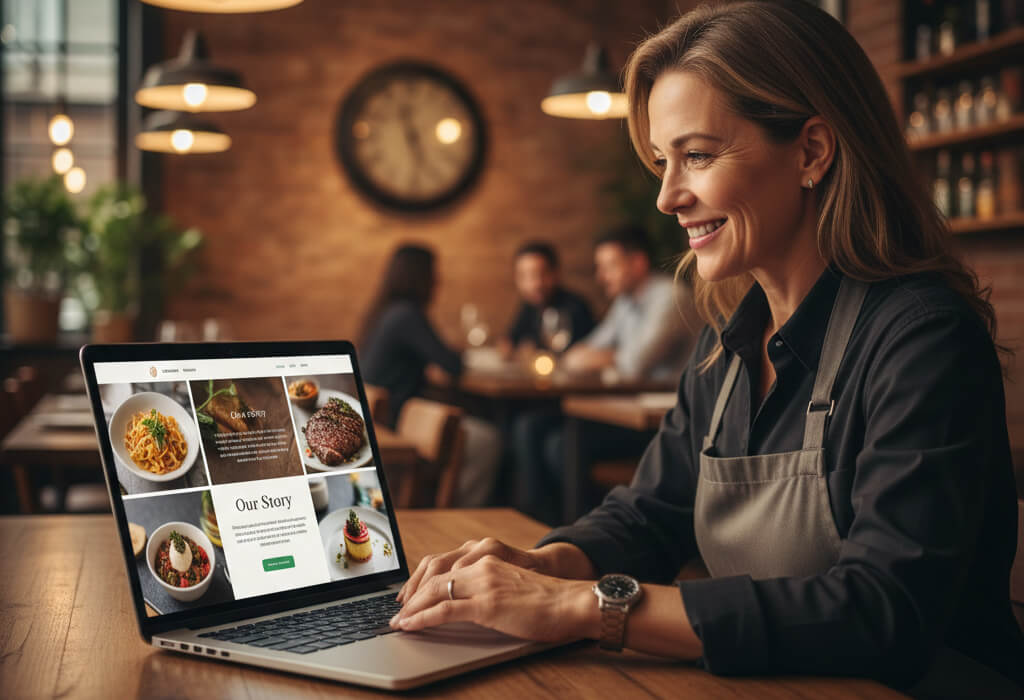
In 2025, diners have more options than ever. Restaurants no longer compete solely on price or food quality—they compete on experience, emotion, and storytelling.
The restaurants that stand out are the ones that make people feel something before they even walk in the door. Your food has a story. Your space has a story. Your journey has a story.
And your website is where that story converts into bookings.
Humans are wired for stories. Emotional connections influence decision-making far more than facts alone. When diners connect with your restaurant’s story, they are more likely to:
A strong website ties storytelling directly into the booking journey—a capability social media alone cannot match.
The Restaurant Marketing Funnel: How Your Website Brings Diners to Your Door
Many restaurant websites start with dishes, prices, or discounts. The most effective storytelling-focused websites start with purpose.
Ask yourself:
Leading with your mission and story builds trust and credibility before visitors even see your menu.
Restaurant Branding 101: Why Your Online Identity Matters
Words can inform—but visuals persuade. Professional photography brings your story to life:
Studies show that high-quality imagery directly impacts diners’ decisions, increasing the likelihood they’ll book.
The Science of Food Photography for Restaurant Websites
Diners don’t read—they scan. Your website story should be:
Clarity reduces friction and keeps visitors moving toward your call-to-action (CTA), increasing conversions.
How to Turn Website Visitors Into Paying Diners
Consistency is key. Great restaurant stories align digital messaging with in-person experience:
When online promises match real-world experiences, diners trust your brand more, leading to repeat visits and word-of-mouth referrals.
The Restaurant Reputation Playbook: How to Win Diners’ Trust Online
Stories feel more authentic when they connect to place and people. Include:
This not only strengthens emotional connections but also boosts local SEO, making it easier for nearby diners to find you.
Social media fragments storytelling with distractions and algorithms. Your website:
Relying solely on social media limits conversions, while a well-crafted website keeps visitors engaged and drives bookings.
Why Link in Bio Isn’t Enough: The Case for Restaurant Websites
A compelling story without a next step is wasted potential. Storytelling websites must include clear calls-to-action:
These CTAs convert emotional engagement into measurable growth, turning storytelling into revenue.
How to Turn Website Visitors Into Paying Diners
Restaurants that optimized their websites for storytelling saw measurable results. One example:
How One Restaurant Increased Bookings 40% With a New Website
Menus inform. Reviews reassure. Stories inspire action.
When diners connect with your restaurant’s narrative, booking a table or ordering online feels natural—almost inevitable.
Your website is more than an information hub; it’s the place where your story converts into real-world results.
Tell it well—and let diners book themselves into your story.
Stay up to date with the latest tips, expert insights, product reviews, and step-by-step guides to help you grow, create, and succeed—no matter your industry or passion.