
Understanding Different Mental Health Conditions

August 26, 2025

By RocketPages

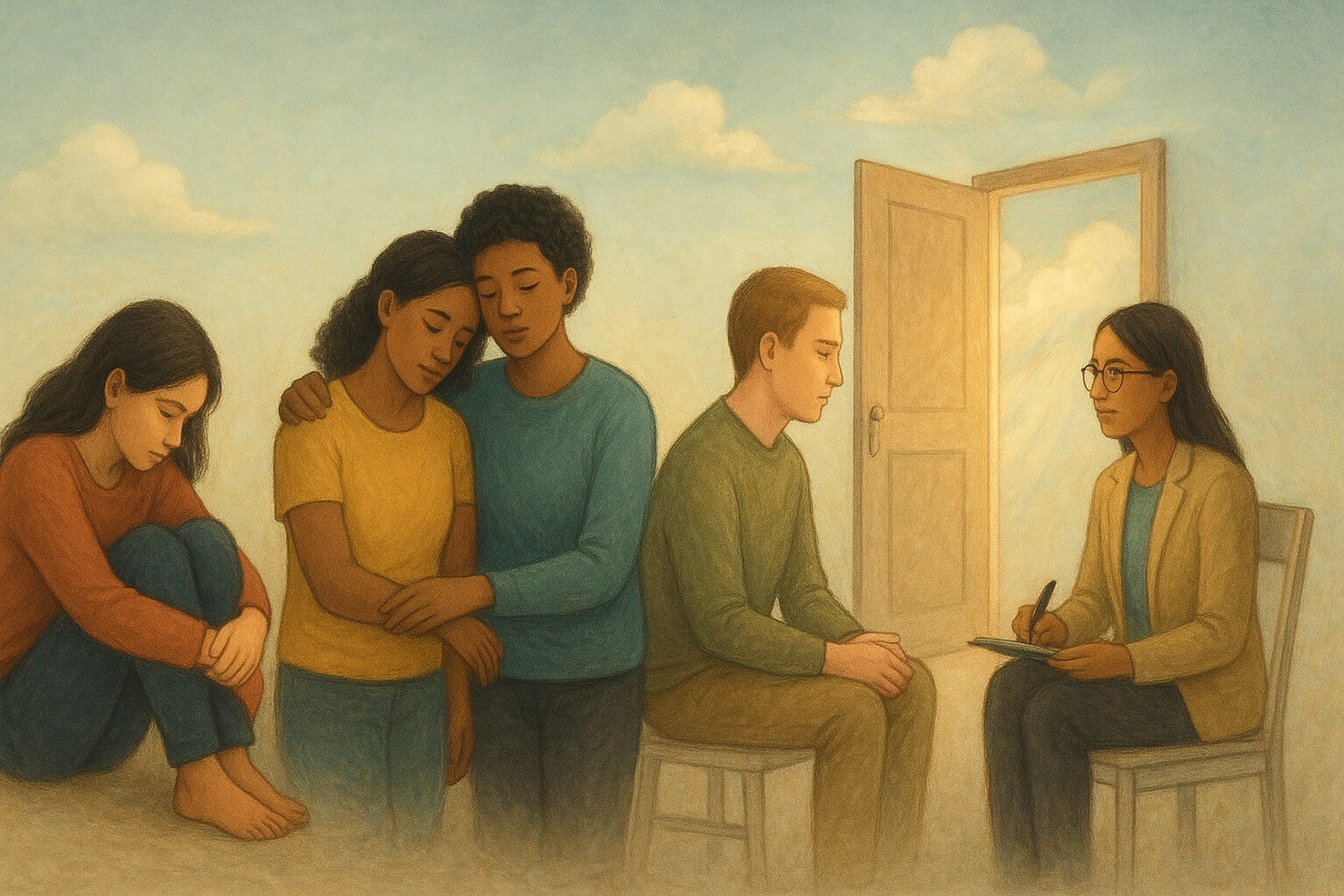
Illustration of diverse individuals representing anxiety, depression, and therapy support in a hopeful and inclusive setting.

Mental health is a cornerstone of overall well-being, influencing how we think, feel, and behave. Yet despite its importance, it remains widely misunderstood, underdiagnosed, and stigmatized. Millions of people around the world live with mental health conditions such as anxiety, depression, bipolar disorder, and PTSD—each carrying a unique set of challenges that impact individuals, families, workplaces, and entire communities.

The Global Impact of Mental Health Conditions

According to the World Health Organization (WHO), more than 280 million people globally experience depression, making it a leading cause of disability. Meanwhile, anxiety disorders affect an estimated 264 million people, often co-occurring with depression and other conditions.

Mental health struggles don’t discriminate by age, race, income, or geography. They affect people of all backgrounds—and often in silence.

What Are the Most Common Mental Health Conditions?

1. Anxiety Disorders

These include a range of conditions such as:

  • Generalized Anxiety Disorder (GAD) – Characterized by persistent, excessive worry about everyday issues.
  • Social Anxiety Disorder – A severe fear of social situations or being judged by others.
  • Panic Disorder – Repeated panic attacks and overwhelming physical symptoms like heart palpitations and dizziness.
  • Phobias – Intense fear of specific objects, situations, or environments (e.g., heights, flying, public speaking).

Impact: Without treatment, anxiety can affect relationships, career progression, and physical health.

2. Depression

Depression goes beyond temporary sadness. Symptoms can include:

  • Persistent low mood or irritability
  • Loss of interest in previously enjoyed activities
  • Changes in appetite or sleep patterns
  • Fatigue and difficulty concentrating
  • Feelings of worthlessness or guilt
  • Thoughts of self-harm or suicide

Depression can be mild, moderate, or severe, and it often occurs alongside anxiety.

3. Bipolar Disorder

This condition involves extreme mood swings:

  • Mania – Periods of high energy, reduced need for sleep, impulsivity, or grandiose thinking.
  • Depression – Episodes of low mood and symptoms similar to major depressive disorder.

Bipolar disorder requires long-term, specialized treatment, often including mood stabilizers, psychotherapy, and lifestyle management.

4. Post-Traumatic Stress Disorder (PTSD)

PTSD develops after experiencing or witnessing a traumatic event (e.g., violence, natural disaster, abuse).

Symptoms may include:

  • Flashbacks or nightmares
  • Hypervigilance or exaggerated startle response
  • Emotional numbness or detachment
  • Avoidance of reminders of the trauma

PTSD can occur in children and adults and often requires trauma-informed therapy and support.

5. Other Notable Conditions

  • Obsessive-Compulsive Disorder (OCD) – Involves intrusive thoughts (obsessions) and repetitive behaviors (compulsions).
  • Eating Disorders – Including anorexia, bulimia, and binge-eating disorder, which involve disordered thoughts about food, body image, and control.
  • Attention-Deficit/Hyperactivity Disorder (ADHD) – A neurodevelopmental disorder affecting focus, impulse control, and organization.
  • Schizophrenia – A severe mental illness involving distorted thinking, hallucinations, and impaired functioning.

Early Warning Signs

Early intervention often leads to better outcomes. Some general red flags to look out for include:

  • Noticeable withdrawal from friends or activities
  • Sudden changes in sleep or eating patterns
  • Increased irritability or mood swings
  • Declining academic or work performance
  • Persistent feelings of sadness, fear, or hopelessness
  • Substance misuse as a coping mechanism

If you or someone you know shows several of these signs for more than two weeks, it's important to seek help.

Treatment and Support Options

Effective treatment often combines:

  • Therapy: Cognitive Behavioral Therapy (CBT), Dialectical Behavior Therapy (DBT), EMDR (for trauma), or family counseling
  • Medication: Antidepressants, anxiolytics, mood stabilizers, or antipsychotics (as prescribed by a psychiatrist)
  • Peer support: Group therapy or community programs
  • Lifestyle changes: Regular exercise, healthy diet, sleep hygiene, and stress reduction techniques

It’s also helpful to explore practical coping strategies. For example:

Advocacy, Education, and Breaking the Stigma

Mental health advocacy helps people understand that mental illness is not a weakness or failure, but a medical and emotional reality that deserves care and compassion.

Just like we work to break down barriers to education for girls globally (RocketPages), we must also address the systemic inequalities and cultural stigma that limit access to mental healthcare.

Explore the importance of community and individual advocacy in: Advocating for Mental Health Awareness

Trusted Resources and Where to Get Help

If you or someone you know is struggling with mental health, you are not alone. Use these credible sources:

Final Thoughts

Understanding different mental health conditions is the first step toward building a more compassionate, educated, and proactive society. By learning the signs, sharing resources, advocating for access, and promoting open dialogue, we can dismantle stigma and help people live healthier, more fulfilling lives.

Mental health is not a side issue—it’s a public health priority. And every conversation, every shared resource, every act of support brings us one step closer to a world where mental wellness is recognized, respected, and reachable for all.

Recent Articles

Stay up to date with the latest tips, expert insights, product reviews, and step-by-step guides to help you grow, create, and succeed—no matter your industry or passion.


Portrait studio with a sitter, soft key light and camera demonstrating directional portrait lighting
Portrait Lighting Patterns: Split, Loop and Rembrandt
Judge the light on the faceA portrait lighting pattern describes the arrangement of light and shadow on the face. It is different from the make of the light, the background color, or the overall editi...
Read More
Two educators reviewing curriculum books, sample worksheets and a checklist in a school library
Choosing a School Curriculum: A Practical Review Checklist
Clarify what decision you can makeChoosing a curriculum is different from choosing a school. A curriculum concerns the sequence of knowledge, skills, learning activities, and assessment, together with...
Read More
Teacher supporting a student using geometric learning materials and a notebook in a classroom
Personalized Learning Approaches: Goals, Support and Feedback
Begin with a learning goalPersonalized learning involves making informed choices about instruction and support for a learner. Start with the knowledge or skill being developed, not with a product or a...
Read More
