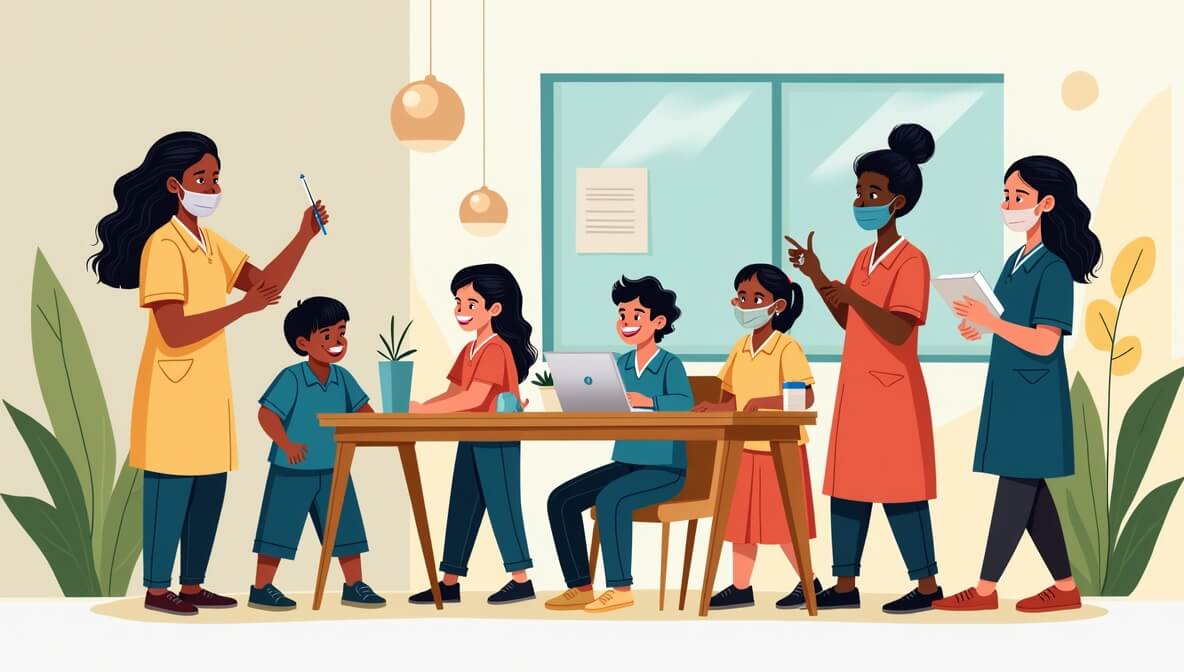
Non-profit organizations play a pivotal role in strengthening public health systems worldwide. By bridging gaps in healthcare access, promoting health education, and delivering essential services, non-profits improve the well-being of underserved communities. Their work complements governmental and private sector efforts, ensuring that populations most at risk receive timely and effective interventions (understanding mental health).
Education and Preventive Health Programs
Preventive health is the foundation of sustainable healthcare, and non-profits excel in educating communities to prevent illness before it occurs.
- Health Workshops and Community Programs: Non-profits organize workshops that cover hygiene, nutrition, vaccination, sexual and reproductive health, and chronic disease management. By equipping communities with knowledge, they reduce disease prevalence and promote informed health decisions.
- Empowering Through Knowledge: Initiatives inspired by how medical research is changing lives show that awareness campaigns can drastically increase early detection of illnesses, leading to better treatment outcomes.
- School-Based Health Programs: Non-profits often partner with schools to implement health education curricula, providing children with skills to adopt healthy habits early in life.
Impact Highlight: Studies indicate that preventive health education can reduce hospital admissions by up to 30% in low-resource communities (CDC on preventive care).
Addressing Social Determinants of Health
Health outcomes are influenced by broader social, economic, and environmental factors. Non-profits tackle these social determinants of health to create long-term, sustainable improvements.
- Food Security Programs: Organizations combat hunger through initiatives like addressing child hunger, which provide nutritious meals to children in vulnerable communities. Nutrition directly impacts cognitive development, immune function, and academic performance.
- Housing and Homelessness Support: Safe housing is essential for physical and mental well-being. Non-profits work with local governments to offer temporary shelters and resources for long-term housing stability.
- Caregiver Assistance: Programs such as supporting caregivers help reduce stress, prevent burnout, and improve the quality of care for dependents, enhancing overall community health.
Insight: Addressing social determinants accounts for nearly 80% of health outcomes, highlighting why non-profit interventions are crucial (WHO Social Determinants of Health).
Mental Health and Emotional Well-Being
Mental health is an essential yet often neglected aspect of public health. Non-profits actively combat stigma, provide counseling, and build support systems:
- Awareness and Education: Initiatives like understanding mental health educate communities about anxiety, depression, stress, and other conditions, fostering empathy and early intervention.
- Access to Services: Non-profits connect individuals to therapy, peer-support networks, and online resources, especially in regions where mental health services are scarce.
- Holistic Approaches: Mindfulness, meditation, and community engagement programs complement traditional mental health care, strengthening resilience and emotional stability (Mental Health Foundation).
Key Benefit: Communities with strong non-profit-led mental health programs report lower rates of suicide, anxiety, and depression, improving both quality of life and societal productivity.
Empowering Youth and Communities
Investing in youth health and education ensures long-term societal resilience:
- Mentorship Programs: Organizations like mentorship programs cultivate leadership, health awareness, and life skills in children and adolescents.
- After-School and Vocational Training: Structured programs keep youth engaged, improve academic performance, and teach practical skills for a healthy lifestyle.
- Community Health Advocates: Empowered youth often become champions of public health, spreading awareness and mobilizing local initiatives to address health disparities.
Impact: Studies show that youth-focused non-profit programs reduce teen pregnancy, substance abuse, and dropout rates while improving overall well-being (UNICEF Youth Health Programs).
Responding to Global Health Crises
Non-profits are indispensable during pandemics, natural disasters, and emergencies:
- Rapid Mobilization: Non-profits can quickly deploy medical supplies, food, and personnel to affected areas, filling gaps before government systems fully respond.
- Collaboration for Scale: Partnerships with governments, international organizations, and private donors ensure resources reach the maximum number of people efficiently (WHO public health initiatives).
- Community Education: During outbreaks, non-profits provide accurate information about disease prevention, vaccination, and hygiene, combating misinformation.
Case Study: During the COVID-19 pandemic, non-profits were pivotal in distributing PPE, facilitating testing, and supporting vulnerable populations in remote areas.
Building Resilient Health Systems
Non-profits contribute to the strengthening of health infrastructure by:
- Training local healthcare workers
- Establishing clinics in underserved regions
- Supporting mobile health units
- Implementing health monitoring and evaluation systems
By reinforcing local capacity, non-profits ensure long-term sustainability beyond immediate interventions (Global Health Council).
Conclusion: Sustaining the Impact of Non-Profits in Public Health
Non-profits are cornerstones of global health. Through education, preventive care, mental health support, youth empowerment, and crisis response, they create resilient communities capable of facing both everyday challenges and extraordinary events.
How You Can Support:
- Volunteer with local health non-profits.
- Donate to sustain essential programs.
- Advocate for policies that strengthen public health systems.
Supporting non-profits amplifies their reach, ensuring that everyone, especially the most vulnerable, has access to the care and resources they need. Their work underscores the global truth: healthy communities are the foundation of a thriving society.