
Stress Management Techniques for a Balanced Life

September 01, 2025

By RocketPages

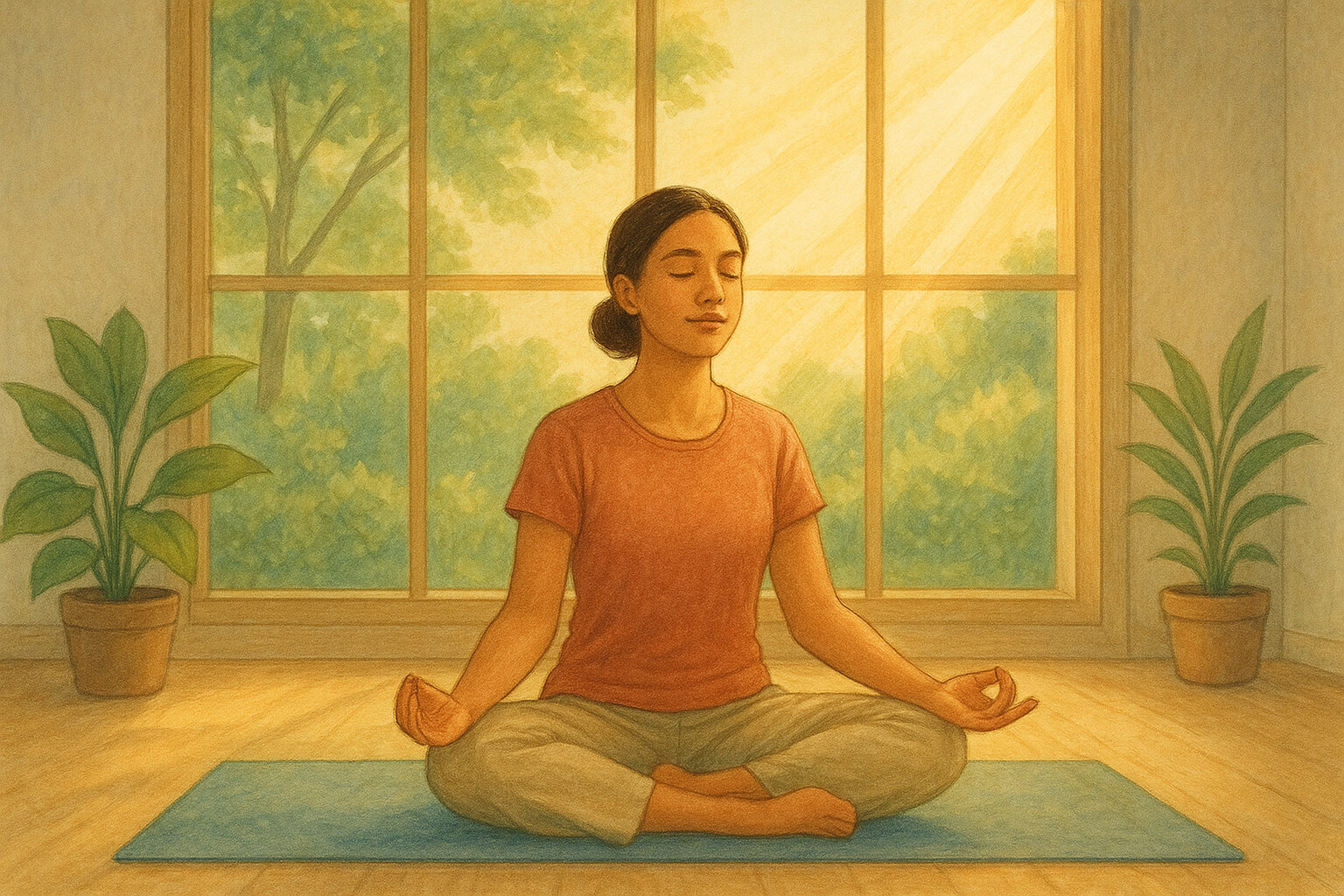
Person practicing mindfulness meditation for stress management in a peaceful, natural setting.

Stress is a normal part of life, but when it becomes chronic or overwhelming, it can significantly affect your mental, emotional, and physical health. Whether it stems from work, relationships, finances, or everyday responsibilities, unmanaged stress can lead to burnout, anxiety, and serious health problems over time.

Fortunately, there are practical, research-supported techniques that can help you manage stress and lead a more balanced, resilient life.

Why Stress Management Matters

Chronic stress doesn’t just leave you feeling overwhelmed—it can take a lasting toll on your body. The American Psychological Association (APA) reports that long-term stress is linked to increased risks of:

  • Heart disease
  • Depression and anxiety disorders
  • Sleep disturbances
  • Digestive issues
  • Weakened immune function
  • (Source)

Mental and physical health are deeply connected. As explored in this article on the link between physical and mental health, managing emotional stress is essential not just for peace of mind but also for your body’s overall well-being.

Mind-Body Relaxation Practices

Stress often manifests physically—tight muscles, headaches, shallow breathing—which is why mind-body techniques are so effective.

Meditation and Deep Breathing

  • Meditation doesn’t have to be spiritual or time-consuming. Just 10–15 minutes a day of focused breathing or guided mindfulness can:
  • Lower cortisol levels
  • Reduce anxiety symptoms
  • Improve focus and clarity
  • Apps like Calm, Headspace, and Insight Timer offer beginner-friendly sessions backed by science.

Yoga and Tai Chi

  • Gentle movement practices like yoga and tai chi combine breathwork, physical activity, and mindfulness, making them ideal for stress relief.
  • They also support better:
  • Posture and balance
  • Sleep quality
  • Emotional regulation

Progressive Muscle Relaxation (PMR)

  • PMR involves tensing and then releasing muscle groups throughout your body. It’s especially useful for those who hold stress physically (e.g., clenched jaw, tense shoulders). PMR can also ease insomnia and improve your ability to wind down before sleep.

Move Your Body: The Role of Physical Activity

Exercise is one of the most effective, natural stress relievers available. Even a 20–30 minute walk can trigger the release of endorphins, your body’s feel-good chemicals.

Regular physical activity can help:

  • Reduce tension and fatigue
  • Boost your energy levels and focus
  • Improve your quality of sleep

According to the CDC’s Physical Activity Guidelines, adults should aim for at least 150 minutes of moderate-intensity exercise per week.

Physical activity is also closely tied to cognitive function and stress resilience. As outlined in this article on the link between nutrition and learning, a healthy body supports a healthy mind.

The Importance of Social Support

Stress often feels worse when you're isolated. Human connection can act as a powerful emotional buffer.

Ways to Strengthen Social Support:

  • Talk it out: A quick conversation with a friend or family member can help process feelings and relieve tension.
  • Join a group: Whether it's a fitness class, book club, or community initiative, engaging with others fosters a sense of belonging.
  • Volunteer: Helping others can improve your mood and give you a stronger sense of purpose.

Support networks, both formal and informal, play a crucial role in well-being. This is highlighted in this article on community health initiatives, where programs often integrate group support into stress-reduction efforts.

Simple Lifestyle Changes That Make a Big Difference

Sometimes, managing stress comes down to adjusting everyday habits that contribute to the buildup of pressure.

Time Management

  • Poor planning or constant multitasking can create chaos. To regain control:
  • Use a planner or task list
  • Prioritize tasks based on urgency and importance
  • Break large tasks into smaller, manageable steps
  • Set boundaries—learn to say no without guilt

Healthy Eating and Hydration

  • The food you eat impacts your mood, energy, and resilience to stress. A balanced diet can help stabilize blood sugar and hormone levels.
  • Focus on whole foods: vegetables, fruits, lean proteins, whole grains, and healthy fats
  • Limit stimulants like caffeine and sugar, which can worsen anxiety
  • Drink plenty of water—dehydration can increase feelings of stress and fatigue

Sleep Hygiene

  • Sleep is your brain’s opportunity to reset and repair. Chronic stress disrupts sleep, and poor sleep worsens stress—a vicious cycle.
  • To improve sleep:
  • Maintain a regular sleep schedule, even on weekends
  • Avoid screens for at least an hour before bed
  • Use a wind-down routine (e.g., reading, stretching, light meditation)

Final Thoughts

Stress is unavoidable—but how we respond to it is entirely within our control. Through small, consistent efforts—like mindful breathing, physical activity, proper rest, and connecting with others—you can build resilience and reclaim a sense of calm and balance.

The goal isn't to eliminate stress completely, but to develop the tools and awareness needed to cope effectively, adapt to life’s challenges, and protect your long-term well-being.

For more articles on health, balance, and personal growth, visit this wellness blog section.

“Almost everything will work again if you unplug it for a few minutes… including you.” – Anne Lamott

Recent Articles

Stay up to date with the latest tips, expert insights, product reviews, and step-by-step guides to help you grow, create, and succeed—no matter your industry or passion.


Portrait studio with a sitter, soft key light and camera demonstrating directional portrait lighting
Portrait Lighting Patterns: Split, Loop and Rembrandt
Judge the light on the faceA portrait lighting pattern describes the arrangement of light and shadow on the face. It is different from the make of the light, the background color, or the overall editi...
Read More
Two educators reviewing curriculum books, sample worksheets and a checklist in a school library
Choosing a School Curriculum: A Practical Review Checklist
Clarify what decision you can makeChoosing a curriculum is different from choosing a school. A curriculum concerns the sequence of knowledge, skills, learning activities, and assessment, together with...
Read More
Teacher supporting a student using geometric learning materials and a notebook in a classroom
Personalized Learning Approaches: Goals, Support and Feedback
Begin with a learning goalPersonalized learning involves making informed choices about instruction and support for a learner. Start with the knowledge or skill being developed, not with a product or a...
Read More
