
Advocating for Mental Health Awareness Your Role

August 26, 2025

By RocketPages

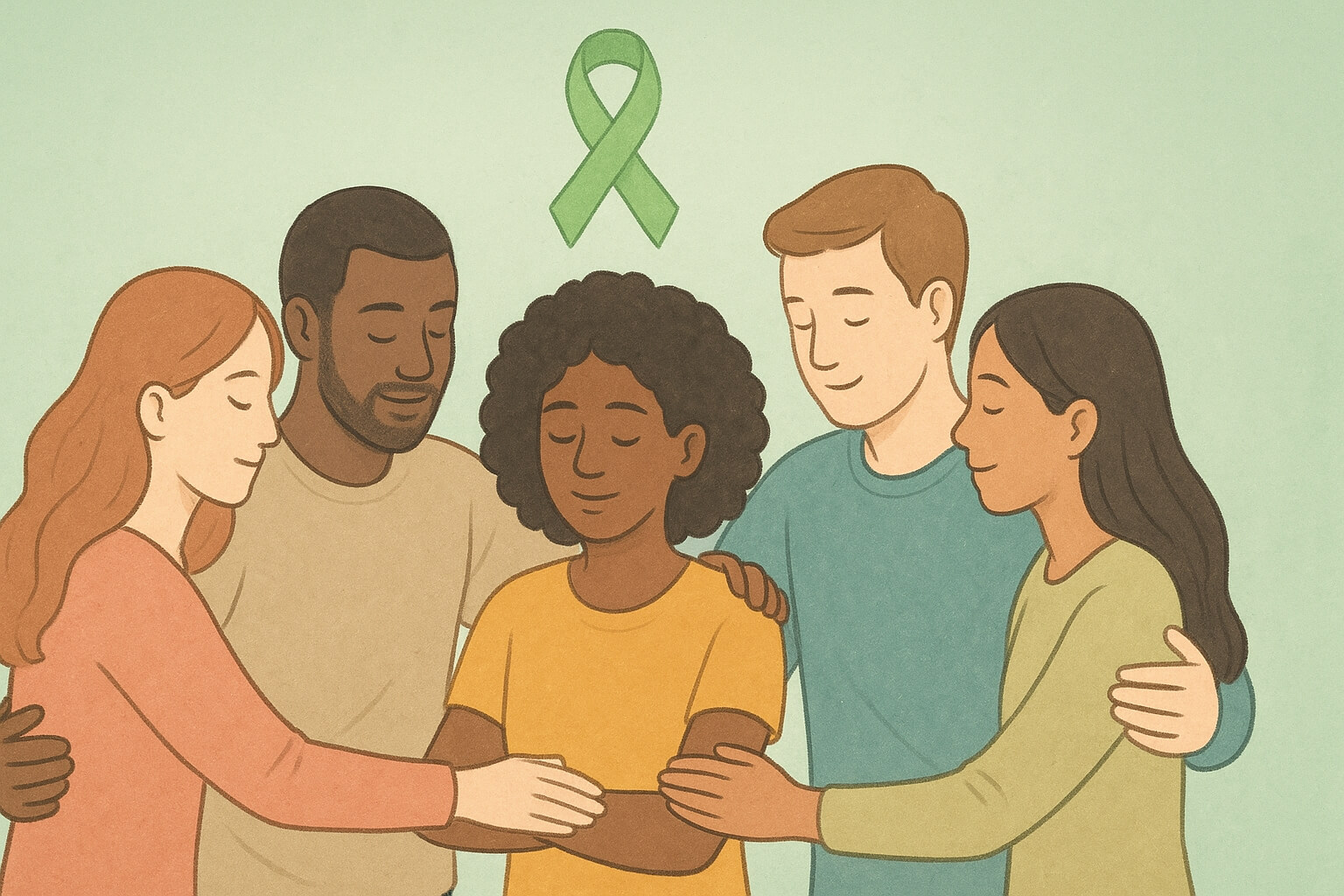
Group of diverse people supporting each other with a green ribbon symbolizing mental health awareness.

Mental health is fundamental to every aspect of human life—how we think, feel, learn, and thrive in relationships. Yet stigma, lack of awareness, and inequitable access to care prevent countless individuals from seeking help when they need it most. Advocacy—by individuals, communities, and institutions—helps break down harmful barriers and normalize mental health as an essential part of overall well-being.

The good news? Advocacy is both powerful and achievable. No single person needs to do everything. Even small, intentional acts aggregate into profound cultural change.

Let’s explore in greater depth how you can take meaningful action across different levels of support:

1. Educate Yourself and Others with Confidence and Compassion

Knowledge is a cornerstone of advocacy. Start by familiarizing yourself with common mental health conditions—anxiety, depression, PTSD, bipolar disorder, and others—and how stigma, misinformation, or cultural taboos distort how we view mental wellness.

Informative resources to explore:

Ways you can advocate through education:

  • Organize virtual "myth-busting" sessions with friends or coworkers.
  • Develop resource guides for your community or place of worship.
  • Encourage local libraries or student centers to host awareness workshops.

2. Listen, Empathize, and Encourage Help-Seeking

Sometimes, the simple act of listening opens the door to healing. Validate people’s experiences without judgment and encourage professional support when appropriate.

Resources that support caregivers and listeners: Supporting Caregivers: Resources and Tips

Advocacy in action:

  • Set up a "mental health buddy" system at work.
  • Keep resource cards for local clinics or helplines to share when someone asks.
  • If you’re a parent, take a moment each day to ask your child how they’re feeling.

3. Normalize Prevention and Early Support

Advocating for prevention is as important as advocating for cures. Poor sleep, chronic stress, and social isolation are key contributors to mental health decline.

Key resource to understand the importance of preventive wellness: The Impact of Sleep on Your Overall Health

Practical steps for prevention:

  • Implement "mindful minutes" at schools or workplaces.
  • Share daily or weekly wellness challenges using shared online platforms.
  • Advocate for insurance coverage that includes preventive mental healthcare.

4. Connect Mental and Physical Health Advocacies

Awareness of how mental health intertwines with physical well-being enhances holistic care.

Informing resources:

Advocacy applications:

  • Encourage gyms and nutritionists to address mood health in programs.
  • Facilitate joint workshops on mental health and chronic disease management.

5. Transform Communities with Safe, Supportive Spaces

Real progress starts locally. Transform your corner of the world by creating safe spaces where people feel empowered to seek help.

Insightful exploration:

Community-building ideas:

  • Partner with nonprofits to launch mental health pop-ups or art installations.
  • Train compassionate listeners and peer advocates in your neighborhood.
  • Establish a support circle—online or in-person—for shared stories and resilience-building.

6. Push for Systems-Level Change Through Policy

Individual advocacy carries additional weight when combined with systemic reform. Push for equitable mental health policies that ensure access for all.

Links to systemic synergy:

Policy advocacy in action:

  • Lobby for expanded school counseling staff or mental health curriculum inclusion.
  • Support "mental health parity" legislation in your region.
  • Coordinate campaigns for teletherapy access in underserved communities.

7. Share Accurate, Trusted Information Widely

Spreading awareness is only impactful when it's backed by credibility. Use authoritative sources to guide your sharing.

  • World Health Organization (WHO) — Mental health fact sheets and data: WHO Mental Health Resources
  • National Alliance on Mental Illness (NAMI) — Trusted guides, forums, and support systems: NAMI Website

Shareable actions:

  • Create “ask me how I’m doing” buttons or post-its in community spaces.
  • Share hotlines and verified resources in online groups.
  • Host guided social media deep dives using material from WHO or NAMI.

8. Everyday Actions Make a Difference

Advocacy doesn't require grand gestures—your consistent, authentic efforts are powerful.

Ideas include:

  • Facilitating “Wellness Wednesdays” or mental health check-ins in staff meetings.
  • Leading gratitude sessions or breathing breaks after stressful events.
  • Volunteering with local mental health organizations, online forums, or phone helplines.

Final Thoughts

Mental health advocacy is both a deliberate act and a continuous commitment. It thrives on awareness, empathy, solidarity, and systemic change.

From sharing credible information to listening with compassion, building peer support circles, and fighting for better mental health infrastructure—your actions matter. Together, we can create environments where mental health is understood, supported, and integrated into every corner of community life.

Start today. Your voice and presence can make the difference.

Recent Articles

Stay up to date with the latest tips, expert insights, product reviews, and step-by-step guides to help you grow, create, and succeed—no matter your industry or passion.


Portrait studio with a sitter, soft key light and camera demonstrating directional portrait lighting
Portrait Lighting Patterns: Split, Loop and Rembrandt
Judge the light on the faceA portrait lighting pattern describes the arrangement of light and shadow on the face. It is different from the make of the light, the background color, or the overall editi...
Read More
Two educators reviewing curriculum books, sample worksheets and a checklist in a school library
Choosing a School Curriculum: A Practical Review Checklist
Clarify what decision you can makeChoosing a curriculum is different from choosing a school. A curriculum concerns the sequence of knowledge, skills, learning activities, and assessment, together with...
Read More
Teacher supporting a student using geometric learning materials and a notebook in a classroom
Personalized Learning Approaches: Goals, Support and Feedback
Begin with a learning goalPersonalized learning involves making informed choices about instruction and support for a learner. Start with the knowledge or skill being developed, not with a product or a...
Read More
