
January 16, 2026
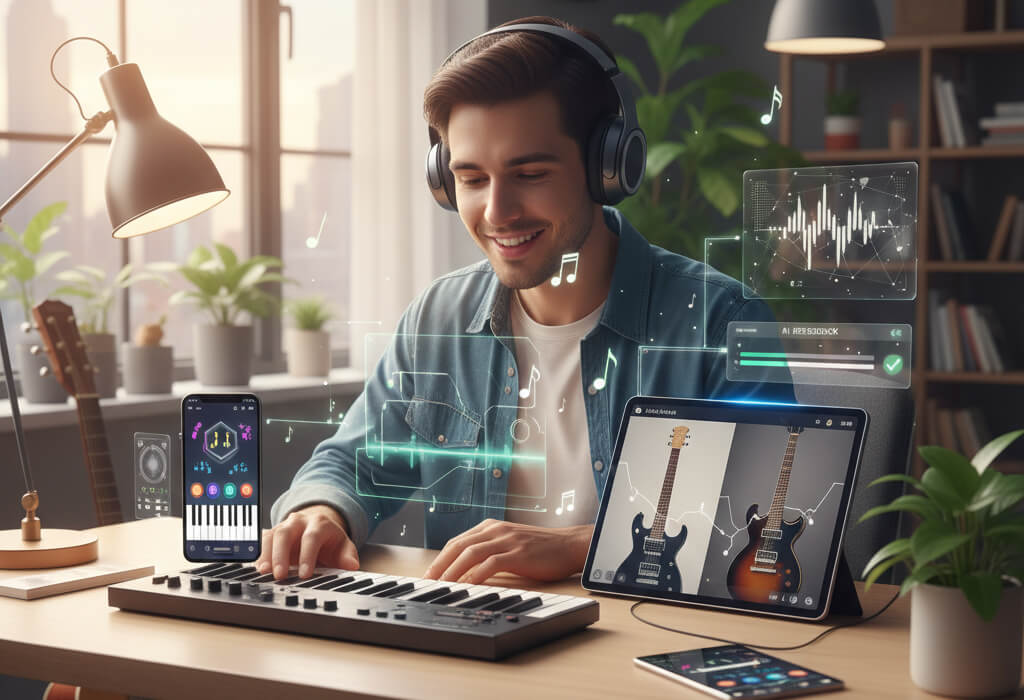
Learning music in 2026 is no longer restricted to classrooms, conservatories, or expensive one-on-one tutors. Thanks to AI-powered feedback, mobile-first design, and interactive learning platforms, anyone can now learn music for free, at their own pace, from anywhere in the world.
Whether you’re a complete beginner, an intermediate musician refining your skills, or a content creator looking to sound more professional, modern music apps now provide structured, engaging, and highly effective learning experiences.
This guide breaks down the best free apps and platforms to learn music in 2026, while also explaining how to use them correctly—because tools alone don’t create musicians. Strategy does.
Music education has shifted from theory-heavy instruction to skill-based, feedback-driven learning.
Modern music apps focus on:
Instead of asking “Did you study?”, apps now ask “Can you perform?”
However, even the best apps rely on musical literacy. Foundational resources like The Ultimate Guide to Music Reading for Beginners – Notes, Rhythms, and Symbols are commonly integrated into app-based learning to help users understand what they’re actually playing.
Piano remains the most popular entry instrument because it visually represents how music works.
Free piano apps in 2026 typically teach:
Many beginners start with structured, time-bound programs like Free 7-Day Piano Challenge – Start Learning Piano Today, which is designed to build momentum quickly and prevent early burnout.
As learners progress, apps increasingly integrate conceptual learning based on The Benefits of Learning Music Theory—helping students understand chord relationships, harmony, and progression logic instead of memorizing keys mechanically.
This combination is what turns beginners into confident players.
Guitar apps have improved dramatically thanks to audio recognition and visual fretboard mapping.
Modern free guitar apps now offer:
Many beginners reinforce app learning with printable and offline materials like Free Beginner Guitar Chords eBook – Download Instantly, which helps bridge the gap between screen learning and real playing.
As skills advance, apps encourage technique growth inspired by Beyond the Basics – Advanced Guitar Techniques for Intermediate Players, introducing bends, hammer-ons, alternate picking, and expressive phrasing.
Ear training is one of the most important—and previously neglected—areas of music education.
In 2026, apps excel at training users to:
Many apps structure exercises around principles outlined in Ear Training Exercises – How to Hear Chords and Melodies, gradually moving from basic recognition to real musical context.
For advanced learners and vocalists, pitch-focused apps often align with How to Develop Perfect Pitch – Exercises and Training Methods, emphasizing relative pitch mastery—which is far more practical for most musicians.
Rhythm is the foundation of all music, yet it’s the most common weakness among self-taught musicians.
Drum and rhythm apps in 2026 focus heavily on:
These skills align directly with concepts from Why Understanding Rhythm Is Crucial for Every Musician, which many apps now indirectly teach through repetition and feedback.
For learners deciding between independent study and formal guidance, Different Approaches to Learning Drums – Self-Taught vs Teacher mirrors the hybrid approach most apps now take.
Music theory apps in 2026 are interactive, visual, and creative—not academic.
They commonly include:
Songwriters benefit significantly from apps inspired by Understanding Chord Progressions – A Deeper Dive for Songwriters, which helps turn simple ideas into complete songs.
For digital creators, theory apps increasingly integrate MIDI concepts from The Basics of MIDI – How It Works and Why It Is Essential for Production, bridging composition and production seamlessly.
In 2026, learning music often means learning how music is made.
Free production apps teach:
These apps align closely with educational resources like:
Hands-on learners often pair apps with Download Our Exclusive Sample Pack for Hip-Hop Producers – Limited Time Offer to achieve faster creative results.
Voice training apps now use AI to analyze:
Exercises commonly reflect methods in How to Find Your Unique Singing Voice – Tips and Exercises, helping singers develop confidence and vocal identity.
Physical awareness is also emphasized. Serious vocal apps often integrate concepts from The Importance of Proper Posture and Ergonomics for Musicians to prevent strain and injury.
Apps accelerate learning—but only with correct practice habits.
The most effective platforms follow principles outlined in Practice Makes Perfect – Effective Strategies for Improving Musical Skills, focusing on:
To prevent stagnation, many apps now incorporate strategies from Overcoming Plateaus – Strategies for Breaking Through Learning Barriers, dynamically adjusting difficulty and pacing.
In 2026, the best free apps to learn music don’t just teach notes—they:
By combining modern apps with trusted educational resources, anyone—from hobbyists to professional creators—can build real, lasting musical skills without expensive lessons.
Music education is no longer gated.
It’s available, adaptive, and free—for anyone willing to practice.
Stay up to date with the latest tips, expert insights, product reviews, and step-by-step guides to help you grow, create, and succeed—no matter your industry or passion.