June 18, 2025
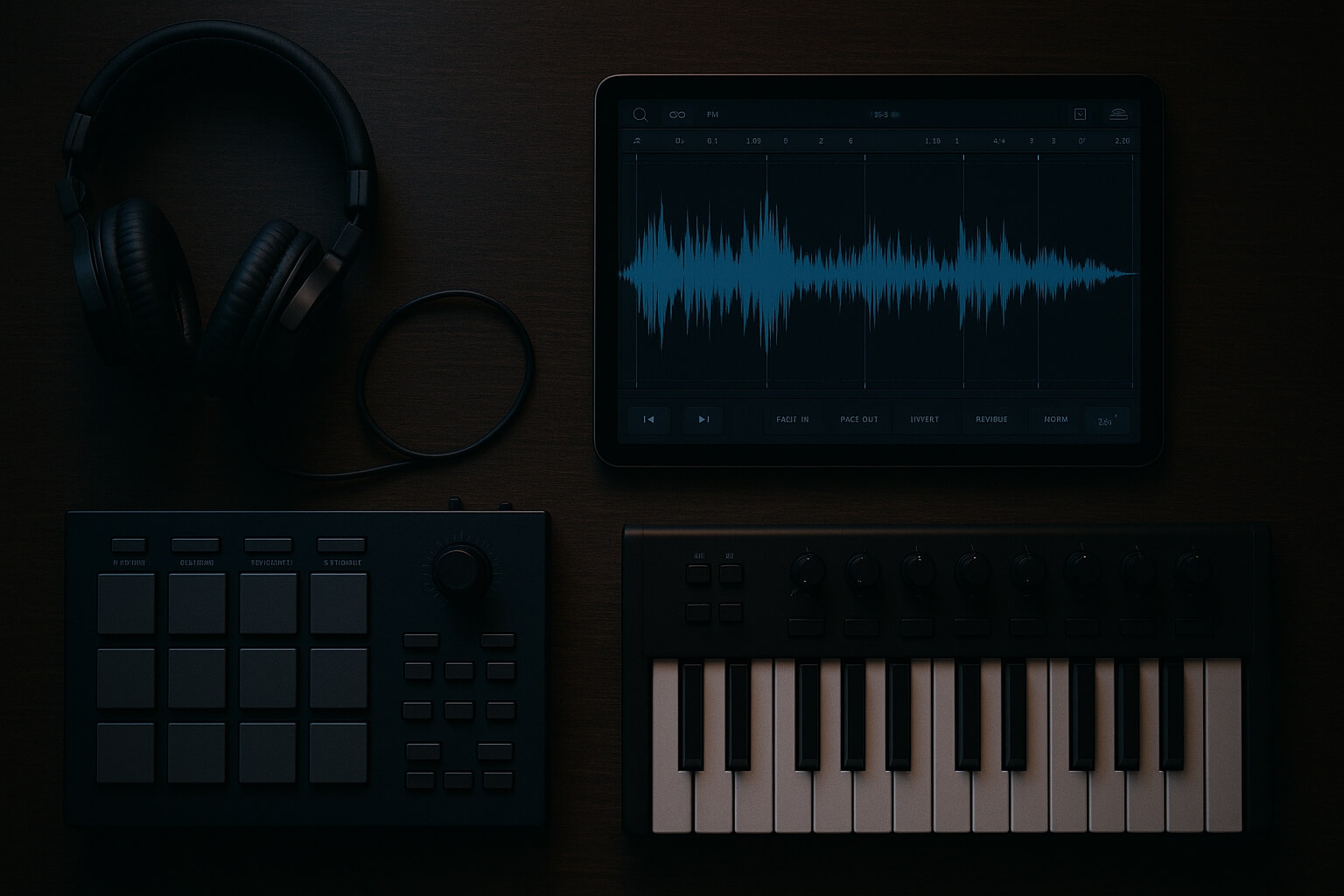
Use this seven-day plan to organize your own beginner piano practice. Choose a short, comfortable session length and keep the lesson material you are using nearby.
Find a comfortable seat and adjust your position so you can reach the keys without stretching. Explore the repeating groups of two and three black keys. Use your beginner lesson material to identify a small group of notes to practice.
Choose a short pattern from your learning material. Play it slowly with a relaxed hand and listen to each note. Focus on a manageable part of the keyboard rather than trying to learn many notes at once.
Repeat the same pattern while keeping a gentle, steady beat. Use a metronome only at a pace you can comfortably follow. Slow down when the pattern becomes uneven.
Identify the part where you hesitate. Practice the notes around that transition slowly, pause, and repeat. Return to the full pattern after the transition becomes more comfortable.
Choose a brief phrase from a beginner lesson or piece. Work on a small section and keep the rhythm simple. If you are learning with both hands, follow the approach in your lesson material rather than adding complexity too quickly.
Revisit the note pattern and phrase from earlier sessions. Listen for an even pulse and a relaxed movement. Make a short note about what feels easier and what still needs attention.
Record a brief practice example for your own review. Compare it with your notes, choose one achievable goal for the next week, and keep the practice routine manageable. Stop if playing causes pain and review your technique with a qualified teacher.
Before the first session, choose a small beginner task and the learning material you will use for the week. Keep the same reference available so that each day builds on the previous one. Avoid starting with several unfamiliar songs, note systems, and exercises at once. A clear starting point makes it easier to notice what changes during the week.
Set aside a session length that fits your routine, but treat it as a planning choice rather than a requirement. If you have less time on a particular day, shorten the task instead of trying to rush through every step. The purpose of the week is to establish a useful practice process. It is not a promise of reaching a particular playing level in seven days.
Begin by reviewing the last useful note in your practice log. Prepare the instrument and reference material, work on one specific task, try a short musical application, and finish with a brief observation. Keeping the same basic order reduces the amount of planning you need each time you sit down. You can adjust the length of each part as needed.
For example, a session might focus on recognizing a small group of keys and playing a short pattern from your lesson. The musical application could be a brief phrase that uses those notes. Write down the point where you hesitated and what you will review next. This is a suggested structure for organizing practice, not a substitute for the instructions in your chosen lesson.
Use the repeating groups of black keys to orient yourself, following the explanations in your beginner material. Work with a limited area before trying to identify every key quickly. Check one note, play the small pattern you are learning, and return to the reference when you are uncertain. Keep accuracy and understanding separate from the desire to move faster.
You can test recognition by changing the order of a few familiar examples rather than always approaching the same pattern from the beginning. Record which part is easy to recognize and which still requires the diagram. A useful observation is specific, such as hesitating when the starting point changes. That gives the next session a clearer goal than a general feeling that the keyboard is confusing.
Choose a short pattern you can already follow, then work on keeping its pulse consistent. Use the approach in your lesson material and simplify the task when you lose the sequence. If a metronome adds confusion at first, establish the pattern slowly before adding it. A beat is a reference for practice, not a score that determines whether a session was worthwhile.
Notice where you pause or rush. Isolate a small transition and repeat it slowly, then return to the complete pattern. If your material introduces both hands, follow its progression instead of adding a difficult coordination task simply to fill the session. You can make useful progress by improving a small section before increasing the number of notes or the complexity of the rhythm.
Select a brief phrase or exercise that uses the notes and movements you are learning. It should be short enough to revisit during several sessions without spending most of the time remembering its order. Keep the same example for the week where practical. Familiar material makes it easier to hear changes in continuity and confidence.
Break the example into manageable parts. Work on the section that causes hesitation, then reconnect it with the surrounding notes. Avoid repeatedly restarting the entire phrase without examining the difficult point. At the end of a session, try the complete example once at a comfortable pace and note what still needs attention. That creates a practical link between isolated exercises and making music.
A short recording can help you hear the sequence after your attention is no longer occupied by playing. Use it privately as a practice reference. Listen for the specific task you were working on, such as an even pulse or a smoother transition. You do not need to judge every aspect of your playing at once or compare it with a polished recording.
Keep the exercise and conditions similar when you make another recording. Note if the material, pace, or task changes, because those differences affect the comparison. Write down one improvement and one next step. A useful review should make the next session clearer; if recording adds pressure without helping you observe the task, use a simple written note instead.
At the end of the seven days, review your notes rather than deciding only from the final attempt. Identify the task you can repeat more consistently, the transition that still needs attention, and the part of the routine that was easiest to maintain. Use those observations to choose one achievable focus for the next week.
Continue with the same material when it is still useful, or follow the next appropriate step in your lesson. Avoid replacing the whole routine because progress felt modest on one day. Keep the plan flexible enough to repeat and specific enough to guide the next session. If you are unsure about your technique or how to proceed, ask a qualified teacher to review your approach and help select suitable material.
Stay up to date with the newest tips, gear reviews, and step-by-step guides to elevate your photography journey from home and beyond.