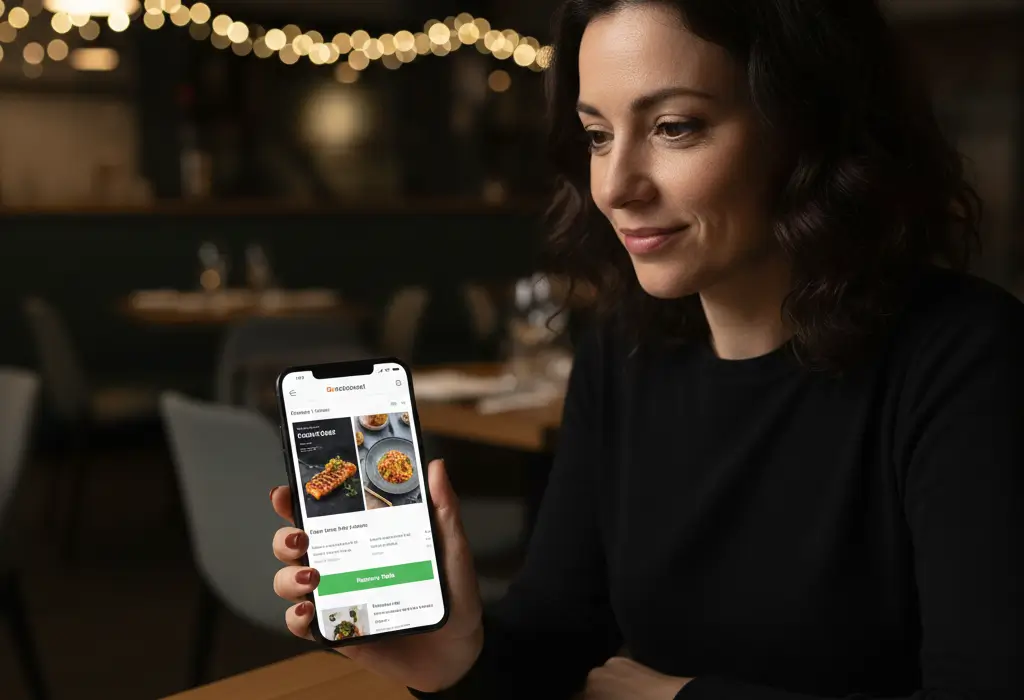
Did you know that 80% of diners research restaurants online before ever stepping through the door? In today’s digital-first world, your restaurant’s first impression isn’t your front door—it’s your online presence.
A strong website, clear menus, and professional visuals can turn casual browsers into loyal diners. Conversely, an outdated or incomplete online presence can drive them straight to your competitors—even if your food is exceptional.
Here’s how to impress diners before they even arrive, with detailed strategies and insights.
1. Make Your Website Your Digital Front Door
Think of your website as the virtual handshake with potential diners. It’s the first impression that sets expectations for your restaurant’s quality and professionalism. Visitors notice:
- Site speed and mobile responsiveness: Pages that load instantly convey reliability and professionalism. A slow, laggy site frustrates visitors and increases bounce rates. Mobile-first design ensures the site looks perfect on any device—smartphones, tablets, and laptops alike.
- Clarity of menus and pricing: Confusing menus or missing prices create doubt. Diners want to know what they’re getting and what it costs without hunting through PDFs or scrolling endlessly.
- Ease of booking or ordering: Friction-free reservations or online ordering signals efficiency and convenience. If it’s difficult to take the next step, diners leave—and often choose a competitor.
Restaurants that invest in a high-performing, user-friendly website see measurable returns through increased reservations, online orders, and repeat visits. Your website isn’t just digital marketing—it’s a revenue driver.
The ROI of a restaurant website: what owners need to know
2. Showcase Menus That Are Easy to Read and Navigate
Your menu is the single most visited page on your website. It’s not just a list of dishes—it’s a reflection of your restaurant’s identity, attention to detail, and professionalism.
Key updates that impress diners include:
- Mobile-friendly layouts: With over 70% of restaurant searches on mobile, menus must render perfectly on all devices. Tiny text, broken PDFs, or non-responsive layouts create frustration.
- Clear pricing and descriptions: Avoid vague phrases like “chef’s special.” Include detailed, enticing descriptions that highlight flavors, ingredients, and portion sizes. This reduces anxiety and helps diners make decisions quickly.
- Dietary filters and specials: Highlight vegetarian, vegan, gluten-free, or seasonal options. Diners appreciate thoughtful details, which reflect attentiveness and inclusivity.
- High-quality dish images: Pair menu items with crisp, appetizing photos. Even small, well-composed images increase the perceived value of dishes and enhance engagement.
An intuitive menu encourages diners to explore more, increases time on site, and directly boosts the likelihood of reservations or orders.
3. Leverage Food Photography to Make Them Hungry
People literally eat with their eyes first. High-quality images of your dishes, beverages, and interior spaces:
- Increase engagement: Diners linger longer on pages with visually appealing images, which increases the likelihood they explore menus, reviews, and booking options.
- Build emotional connection: Photography evokes anticipation, excitement, and craving. Diners can almost “taste” the food before visiting.
- Enhance trust and credibility: Crisp, professional images communicate care, quality, and attention to detail—qualities diners want in a restaurant experience.
When choosing images, consider:
- Lighting and composition: Natural lighting and well-framed shots make dishes look fresh and inviting.
- Consistency: Maintain a consistent visual style that reflects your brand, whether rustic, cozy, modern, or upscale.
- Contextual photos: Include interior shots, table settings, and chefs at work to tell the story of the dining experience.
The science of food photography for restaurant websites
4. Highlight Reviews to Build Instant Credibility
Before stepping through the door, diners want proof that your restaurant delivers on its promises. Reviews are a trust shortcut.
Strategically placed reviews on your website:
- Provide social proof—seeing positive experiences from other diners reassures visitors.
- Reduce decision anxiety, especially for new or cautious diners.
- Encourage action, increasing reservations and online orders.
Best practices:
- Showcase a mix of star ratings and written testimonials.
- Highlight reviews that mention specific dishes or service points.
- Include reputable sources (Google, Yelp, TripAdvisor) for extra credibility.
A few well-chosen reviews can persuade visitors far more effectively than any marketing copy.
The restaurant reputation playbook: how to win diners’ trust online
5. Optimize Local SEO for “Near Me” Searches
If diners can’t find you online, they won’t find you in person. Local SEO ensures that your restaurant appears when people search nearby.
Key strategies:
- Embed Google Maps with accurate location and directions.
- Use location-based keywords throughout your website—menus, page titles, blog posts.
- Structure content and menus so search engines clearly understand your offerings.
Restaurants that optimize for local search often see significant increases in foot traffic, especially from diners searching on smartphones while nearby.
6. Make Booking and Ordering Easy
Convenience is essential. Diners expect one-click access to table reservations and online ordering.
Benefits of a seamless system:
- Reduces friction and abandoned bookings
- Increases conversion rates for reservations and delivery/pickup orders
- Keeps profits in-house instead of paying high third-party app fees
Tips:
- Include prominent “Reserve Now” and “Order Online” buttons on every page.
- Integrate calendars, time slots, and live availability.
- Provide multiple payment options for convenience.
How to add online ordering without paying app fees
Why small restaurants must invest in online ordering
7. Impress With a Professional, Cohesive Brand
A cohesive brand builds trust and recognition. Your website should:
- Reflect your restaurant’s style and personality
- Showcase your story, values, and mission
- Maintain consistent colors, fonts, photography, and tone
A well-executed brand signals professionalism and attention to detail, making diners more confident in choosing your restaurant over competitors.
Restaurant branding 101: why your online identity matters
8. Track and Improve Engagement
Your website isn’t static. Analytics allow you to track visitor behavior and continuously improve the experience:
- Which pages are most viewed and generate the most bookings
- Popular menu items and specials
- Bounce rates, time on page, and conversions
Using this data, you can make informed updates—like adjusting menus, reorganizing navigation, or highlighting popular dishes—to improve user experience and increase bookings.
Using customer data to make smarter menu decisions
Real Results: First Impressions Drive Visits
Restaurants that upgrade their website experience see direct, measurable results. One case study showed a 40% increase in bookings after improving website clarity, menus, and visuals. This proves that investing in a strong online presence pays off in real diners walking through the door.
How one restaurant increased bookings 40% with a new website
Final Thoughts: Online First, Foot Traffic Second
In today’s digital-first world:
- Your website is your first impression
- Menus, photos, and reviews build trust before diners arrive
- Easy booking and ordering convert trust into visits
If diners check you online first—and they will—make sure your website wows them before they even step inside.