
December 29, 2025
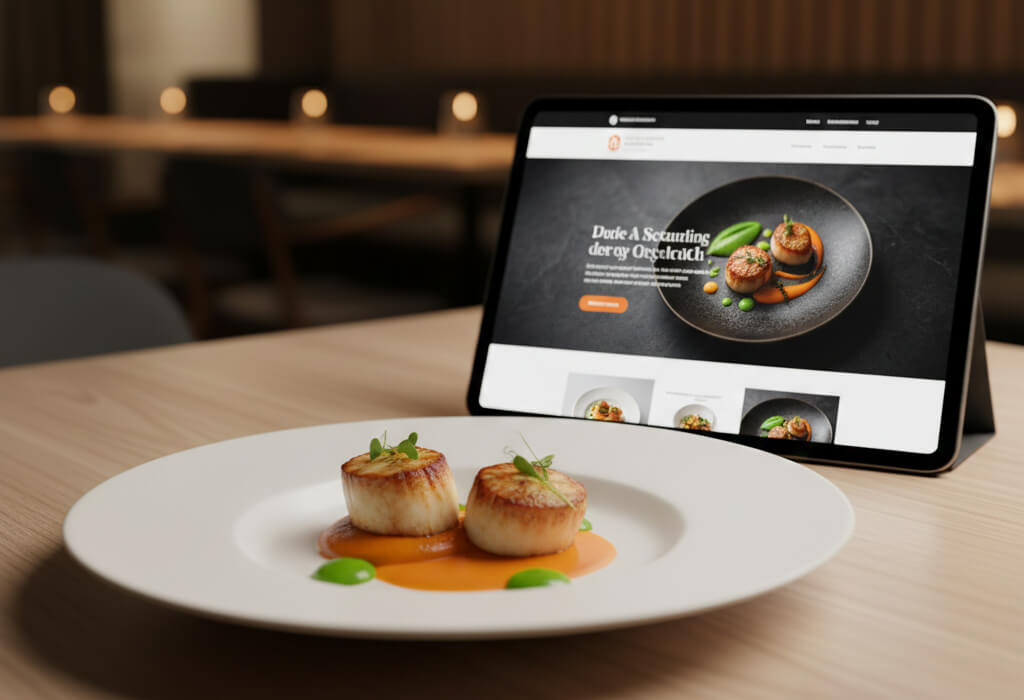
Every great restaurant has a dish people remember—the one diners talk about, photograph, and crave long after the meal ends. It becomes shorthand for the entire experience. One bite, and guests immediately understand what makes the restaurant special.
But here’s the uncomfortable truth: for many potential customers, your website is the first thing they experience, not your food.
Before a diner smells the kitchen, hears the room, or sees the plating, they’ve already formed an opinion. And that opinion is shaped almost entirely by your digital presence.
If your website feels forgettable, confusing, or generic, diners subconsciously assume the restaurant experience will be the same—no matter how exceptional the food actually is.
That’s why your restaurant website should be as intentional and memorable as your signature dish. The best restaurants use their websites not just to share information, but to stand out, build trust, and turn curiosity into real-world visits.
The dining journey no longer starts at the front door—it starts on a screen.
Before diners ever consider booking a table, they typically:
This digital moment sets expectations. A polished, confident website signals professionalism and care. A generic or outdated one suggests inconsistency—even if that isn’t true.
Diners don’t consciously think, “This website is bad, so the food must be bad.” Instead, they feel uncertainty. And uncertainty leads to hesitation. Hesitation leads to lost reservations.
That’s why restaurants without strong websites don’t just miss opportunities—they quietly lose customers before anyone ever walks through the door: The Cost of Not Having a Website for Your Restaurant
A signature dish works because it reflects your identity—not because it follows trends. It tells diners something specific about your style, your culture, and your point of view.
Your website should do the same.
Trendy design elements come and go. What makes a restaurant website memorable is clarity of identity. The best ones feel unmistakably tied to the restaurant behind them.
Memorable restaurant websites:
When identity is clear, diners don’t just recognize your restaurant—they remember it. And recognition is the foundation of trust.
Strong branding online reinforces that trust before a single interaction happens: Restaurant Branding 101: Why Your Online Identity Matters
People forget text. They remember images.
High-quality visuals don’t just show what your food looks like—they communicate how it feels to dine with you. Lighting, composition, texture, and framing all work together to create an emotional preview of the experience.
The best restaurant websites use visuals to:
This kind of visual storytelling makes a restaurant stick in a diner’s mind long after they close the browser tab.
That’s why food photography isn’t decoration—it’s persuasion: The Science of Food Photography for Restaurant Websites
Most restaurants treat menus as functional documents—a list of items and prices. Great restaurants treat menus as part of the experience.
A memorable menu does more than inform. It guides, reassures, and excites.
The best menus:
Digital menus are especially important because they’re often the most visited page on a website. For many diners, the menu is the final deciding factor before booking.
When menus are clean, readable, and aligned with the brand, they reinforce confidence and professionalism.
That’s why digital menus enhance both guest experience and brand recall:
Memorability isn’t just about aesthetics—it directly affects behavior.
When diners remember your website, they’re more likely to:
A website that’s clear, confident, and easy to navigate removes friction. It turns interest into action without pressure.
Conversion-focused websites don’t rely on tricks—they rely on clarity: How to Turn Website Visitors into Paying Diners
Third-party platforms reduce restaurants to listings. Same layout. Same categories. Same comparisons.
Your website is where you escape that commoditization.
Instead of competing on price, location, or ratings, a strong website lets you:
Restaurants that invest in unique, well-designed websites consistently outperform competitors—even large chains with bigger budgets—because they give diners a reason to choose them specifically: How to Compete Against Chains with a Better Website
Memorable websites don’t just appeal to humans—they perform better with search engines too.
Google tracks user behavior. When visitors:
Google interprets those signals as trust and relevance.
Websites that feel engaging and intentional naturally perform better in local search, helping restaurants attract more nearby diners without relying solely on ads.
SEO-friendly restaurant websites consistently win visibility:
SEO for Restaurants: How to Get Found Online
How Restaurants Can Attract Local Customers Through SEO
This isn’t theoretical.
Restaurants that improved website visuals, storytelling, and clarity saw tangible results. One restaurant increased bookings by 40% after aligning its website with its in-person experience: How One Restaurant Increased Bookings 40% With a New Website
Memorability turns attention into revenue.
Diners can’t taste your food online—but they can feel your standards.
Your website should:
Just like your signature dish.
If your food is unforgettable, your website should be too.
Because taste doesn’t start at the table—it starts online.
Stay up to date with the latest tips, expert insights, product reviews, and step-by-step guides to help you grow, create, and succeed—no matter your industry or passion.