
Top Restaurant Décor Trends in 2026 (and How to Showcase Them Online)

January 13, 2026

By RocketPages

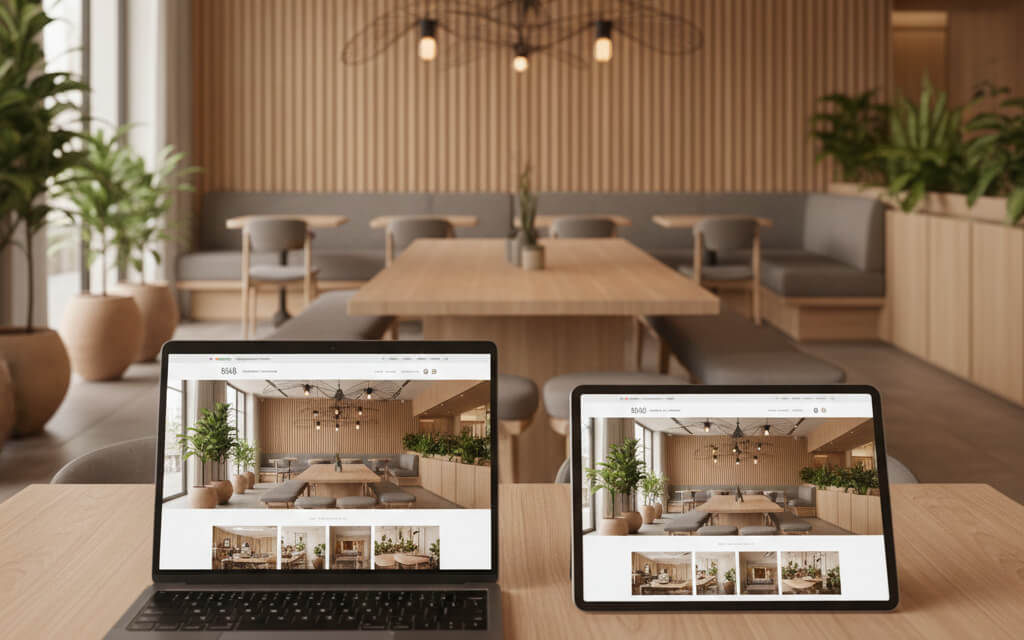
Modern restaurant décor trends in 2026 showcased through interior design and website visuals.

In 2026, restaurant décor is no longer a finishing touch—it is a strategic asset.


Décor now plays three simultaneous roles:


  1. Experience design (how guests feel inside the space)
  2. Brand storytelling (what the restaurant stands for)
  3. Digital marketing fuel (what convinces diners before they ever arrive)


Modern diners don’t just ask “Is the food good?”


They ask:


  • Does this place feel intentional?
  • Does it align with my taste and values?
  • Will this experience be worth sharing?
  • Can I picture myself there?


And critically:


Those decisions are made online first.


Even the most beautiful restaurant will underperform if its décor is not translated effectively into digital storytelling. In a world where first impressions happen on a screen, décor must be designed for both physical presence and digital performance.


Below are the most important restaurant décor trends shaping 2026, along with exactly how to showcase them online so they generate demand, bookings, and long-term brand equity.


1. Warm Minimalism: Calm, Confidence, and Emotional Comfort


Minimalism hasn’t disappeared—but it has evolved.


In 2026, restaurants are moving away from cold, gallery-like spaces and toward warm minimalism, which prioritizes emotional comfort without visual excess.


Key characteristics include:


  • Organic materials (wood grains, stone, ceramics, textiles)
  • Muted, neutral color palettes grounded in earth tones
  • One or two expressive design accents rather than many competing ones
  • Soft transitions between spaces instead of sharp visual breaks

The psychology behind this trend is simple:


People want environments that feel safe, calm, and intentional—especially when dining out is a form of emotional reward.


How This Impacts Online Perception


If your space feels calm but your website feels busy, the experience breaks.


To translate warm minimalism digitally:


  • Use wide-angle photography that shows breathing room
  • Avoid overly animated website elements
  • Let typography, spacing, and layout feel as intentional as your interior


A cluttered website subconsciously signals operational chaos—even if your restaurant is flawless in person: The Ultimate Restaurant Website Checklist: From Menus to Mobile UX


2. Instagrammable Moments That Support the Brand (Not Distract From It)


The era of forced neon signs and gimmicky quote walls is fading.


In 2026, diners are drawn to organic visual moments—design elements that feel authentic to the brand and environment.


Examples include:


  • Sculptural lighting that creates depth
  • Textured walls that catch natural shadows
  • Architectural seating moments framed by light or material contrast
  • Subtle typography integrated into the space, not slapped onto it


These moments work because they feel discovered, not manufactured.


How to Showcase This Online


  • Choose 1–2 hero décor moments and make them recognizable
  • Pair images with short explanations of why they exist
  • Use real customer photos alongside professional ones to add social proof


Your website should act as the anchor of authenticity, while social platforms amplify reach: Why Link-in-Bio Isn’t Enough: The Case for Restaurant Websites


3. Sustainability Embedded Into Design (Not Announced Loudly)


In 2026, sustainability isn’t a marketing angle—it’s a baseline expectation.


Diners increasingly assume:


  • Materials were chosen thoughtfully
  • Waste was minimized during build-out
  • Energy use was considered
  • Design decisions reflect long-term thinking


Popular sustainable décor elements include:


  • Reclaimed or locally sourced wood
  • Modular furniture to reduce replacement waste
  • Energy-efficient lighting systems
  • Indoor plants used as functional design, not decoration


What matters most is how sustainability is communicated.


How to Showcase This Online


Instead of long declarations:


  • Add a concise sustainability section
  • Show materials, textures, and process through images
  • Tie décor choices back to brand values and food philosophy


Sustainability builds trust when it feels natural—not promotional: Restaurant Branding 101: Why Your Online Identity Matters


4. Flexible, Revenue-Generating Spaces


In 2026, every square meter must work harder.


Restaurants are designing décor that supports:


  • Day-to-night transitions
  • Private dining
  • Events and pop-ups
  • Hybrid café / restaurant concepts


Design features enabling this include:


  • Modular tables and seating
  • Curtains, panels, or lighting zones
  • Furniture that stacks or rearranges easily
  • Neutral base designs that adapt to different moods


How This Translates Online


Most restaurants have flexible spaces—but fail to communicate them.


Your website should:


  • Show the same space in multiple contexts
  • Include event-specific galleries
  • Clearly explain capacity, layout options, and atmosphere shifts


If diners can imagine multiple uses, they assign more value: How to Turn Website Visitors into Paying Diners


5. Local Culture Expressed Through Materials and Art


Generic luxury is losing appeal.


Local identity is gaining power.


In 2026, décor increasingly reflects:


  • Neighborhood history
  • Regional materials
  • Local artists or craftspeople
  • Cultural narratives tied to the menu


This creates emotional specificity, which is far more memorable than perfection.


How to Showcase This Online


  • Add an “Our Space” or “Design Story” section
  • Explain the meaning behind specific décor choices
  • Use location-based language naturally to reinforce authenticity


This approach strengthens both brand loyalty and local SEO: How Restaurants Can Attract Local Customers Through SEO


6. Lighting as the Primary Mood-Setter


Lighting in 2026 is treated as architecture—not an afterthought.


Successful restaurants use:


  • Layered lighting (ambient, accent, functional)
  • Warm tones for evenings, cooler daylight balance for lunch
  • Dimmable systems that shift mood without changing décor


Lighting influences:


  • Guest comfort
  • Length of stay
  • Photo quality
  • Perceived value


How to Showcase This Online


  • Include daytime and nighttime photography
  • Avoid aggressive filters that distort reality
  • Match your website’s color palette to your lighting tone


Consistency between online visuals and in-person atmosphere builds trust: The Science of Food Photography for Restaurant Websites


7. Technology That Disappears Into the Design


In 2026, diners expect technology—but resent feeling managed by it.


Successful tech-integrated décor includes:


  • QR menus styled to match branding
  • Minimalist digital displays framed like art
  • Contactless features that feel optional, not forced


The best technology is felt, not noticed.


How to Showcase This Online


  • Focus on guest comfort and convenience
  • Explain benefits in human terms
  • Show subtle visuals, not technical diagrams


Technology should support hospitality—not replace it: The Rise of Contactless Dining: What It Means for Restaurants


Why Décor Showcased Online Directly Impacts Revenue


In 2026, décor influences:


  • Whether diners book at all
  • How much they’re willing to spend
  • Whether they return
  • Whether they recommend


Your website answers emotional questions long before a guest arrives:


  • “Will I feel comfortable here?”
  • “Does this place reflect my taste?”
  • “Is this experience worth planning around?”


Restaurants that invested in stronger décor storytelling and website visuals saw measurable booking increases: How One Restaurant Increased Bookings by 40% With a New Website


Final Thoughts: Décor Is No Longer Just Design—It’s Demand Creation


In 2026, restaurant décor is:


  • Experience design
  • Brand communication
  • Digital persuasion


If your space reflects care, intention, and personality, your website must translate that feeling—accurately and convincingly.


Design the environment.


Document it thoughtfully.


Present it strategically.


Because diners don’t just walk into restaurants anymore.


They arrive emotionally—long before they arrive physically.

Recent Articles

Stay up to date with the latest tips, expert insights, product reviews, and step-by-step guides to help you grow, create, and succeed—no matter your industry or passion.