
January 19, 2026
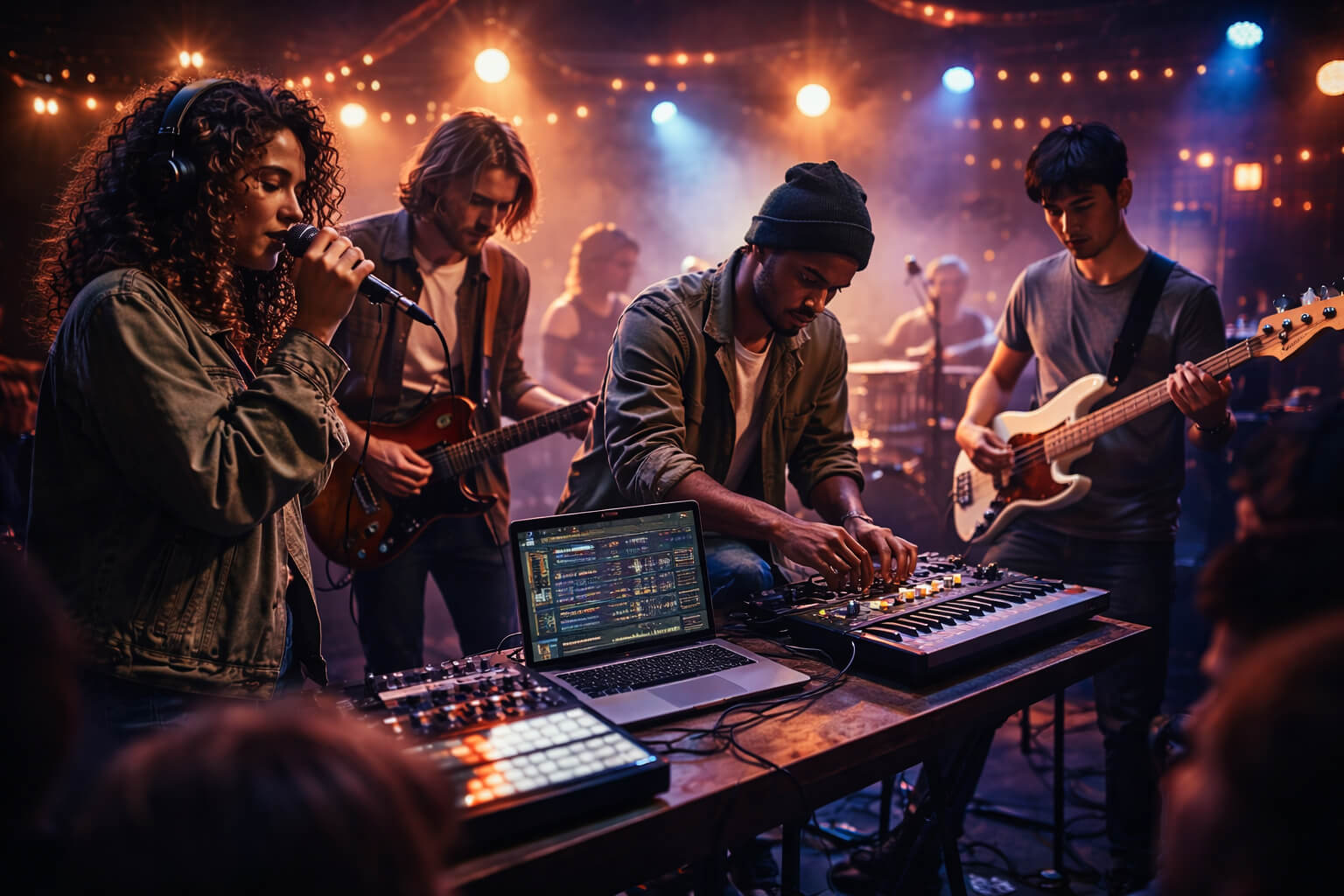
Indie music in 2026 reflects a fundamental reorganization of how music is created, distributed, and valued. Rather than reacting against the mainstream, independent artists now operate in parallel systems that allow them to control production, communication, and income. These artists are shaped by access to technology, global cultural exchange, and audiences that value emotional sincerity and direct connection over polish or scale.
The following sections examine ten dominant indie artist types in 2026, explaining how they work, why audiences respond to them, and what their presence reveals about the future of music.
Bedroom producers in 2026 are not simply musicians working from home; they represent a shift in creative authority. Affordable technology has made it possible for artists to develop complete musical projects without intermediaries. Many of these producers write, record, arrange, mix, and release their own work, often within short creative cycles that allow ideas to remain emotionally fresh.
Their technical development usually begins with learning how digital production environments function. Resources such as Digital Audio Workstations Explained – Choosing the Right Software help them understand workflow efficiency, signal flow, and sound design basics. Over time, this technical familiarity allows them to focus less on tools and more on expression.
Listeners are drawn to bedroom producers because the music often feels immediate and personal. The absence of large production teams reduces emotional distance, and audiences can often track an artist’s growth across releases. From an industry perspective, these artists demonstrate that professional-level output no longer depends on institutional backing, reshaping expectations around who can participate in music creation at scale.
Genre-blending artists in 2026 reject fixed stylistic boundaries in favor of emotional coherence. Their music is not built around genre conventions but around atmosphere, tension, and narrative flow. These artists often combine harmonic ideas from jazz or classical traditions with contemporary electronic textures and rhythmic frameworks influenced by hip-hop or global music.
Understanding their compositions becomes easier when listeners are familiar with musical concepts such as borrowed chords, modal shifts, and unconventional progressions, all explored in Understanding Chord Progressions – A Deeper Dive for Songwriters. Rather than resolving predictably, these songs often sustain ambiguity, allowing emotion to unfold gradually.
For listeners, genre-blending music requires active engagement. Repeated listens reveal details that are not immediately apparent, and the lack of familiar structures encourages deeper attention. Culturally, these artists play an important role in expanding listener taste, gradually dissolving rigid genre identities that once shaped how music was marketed and consumed.
Lo-fi artists in 2026 approach music as an intimate communication rather than a polished performance. Their recordings often preserve background noise, imperfect timing, and understated arrangements, not as limitations but as deliberate aesthetic choices. This approach allows the listener to feel closer to the emotional source of the song.
The popularity of lo-fi storytelling aligns with broader listening habits centered on emotional regulation and cognitive support, as discussed in Music for Stress Relief – Beyond Just Relaxation Playlists and Using Music for Focus – Science-Backed Strategies. Many listeners use lo-fi music as a companion during solitary or mentally demanding activities.
From a creative standpoint, these artists focus heavily on lyrical specificity and subtle melodic phrasing. Rather than crafting universal statements, they describe precise moments and emotions, allowing listeners to project their own experiences onto the narrative. This approach has sustained the lo-fi movement beyond trend cycles by grounding it in genuine emotional resonance.
Social-first indie artists design their creative output with digital platforms in mind from the earliest stages. Rather than treating social media as a promotional afterthought, they integrate visual storytelling, short-form content, and audience interaction directly into their creative process.
Guides such as How to Promote Your Music on Social Media – A Platform-by-Platform Guide reflect the strategic thinking behind this approach. Songs are often structured to include moments that translate effectively into short clips, while narratives unfold across multiple posts and releases.
For audiences, this creates a sense of ongoing involvement. Fans follow not only finished songs but also the creative journey itself. From an industry perspective, social-first artists demonstrate how discovery has shifted away from centralized gatekeepers toward continuous, relationship-based engagement.
AI-assisted artists in 2026 integrate machine learning tools into their workflow as exploratory instruments rather than automated solutions. These artists use AI to generate musical ideas, suggest harmonic variations, or experiment with sound design, while retaining human judgment over final decisions.
A strong understanding of production fundamentals, including MIDI sequencing and synthesis, is essential for effective use of these tools. Foundational knowledge from The Basics of MIDI – How It Works and Why It Is Essential for Production and Demystifying Synthesizers – Analog vs Digital Explained allows artists to guide AI output toward intentional results.
Listeners often experience this music as unusually textured or structurally complex, reflecting the interplay between human intuition and algorithmic suggestion. In the broader creative landscape, AI-assisted artists illustrate how technology can expand artistic possibility without displacing authorship.
Singer-songwriters in 2026 emphasize narrative clarity and emotional honesty over technical display. Their compositions are often built around voice and lyrics, with minimal instrumentation used to support rather than dominate the story.
Many refine their expressive abilities through techniques discussed in How to Find Your Unique Singing Voice – Tips and Exercises, focusing on phrasing, tone, and authenticity rather than range or power. Imperfections in delivery are often preserved, reinforcing the sense of realism.
Listeners respond to this approach because it mirrors everyday emotional expression. In contrast to heavily processed vocal styles, these songs feel conversational and relatable. Culturally, the revival reflects a desire for sincerity
in a media environment saturated with highly curated content.
Cultural fusion artists draw from multiple musical traditions while maintaining respect for their origins. Rather than simply combining sounds, they contextualize traditional instruments, rhythms, and languages within contemporary production frameworks.
This approach reflects ideas explored in Why Different Cultures Create Different Types of Music and Beyond the Charts – Exploring Obscure Music Genres. Many artists collaborate directly with musicians from the cultures they reference, ensuring authenticity and mutual exchange.
For listeners, cultural fusion music offers exposure to unfamiliar traditions in accessible forms. From an industry perspective, these artists challenge homogenization by demonstrating that global diversity can coexist with modern production standards.
Improvisation-driven indie artists reintroduce spontaneity into recorded music. Drawing from jazz and blues traditions, they prioritize real-time decision-making and emotional responsiveness during performance.
The conceptual foundation for this approach is explored in The Role of Improvisation in Jazz and Blues Music. In contemporary contexts, improvisation is often combined with electronic loops or hip-hop-influenced rhythms, creating hybrid forms that remain flexible and expressive.
Listeners are drawn to these performances because they feel unrepeatable. Each recording captures a specific moment rather than a perfected template, reinforcing the sense of authenticity that defines much of indie music in 2026.
Business-literate indie artists approach their careers as long-term systems rather than short-term opportunities. They develop an understanding of rights management, revenue streams, and licensing, using resources such as How Music Royalties Work – A Comprehensive Breakdown for Artists and Understanding Music Publishing – What Every Songwriter Needs to Know.
This knowledge allows them to make informed decisions about distribution, collaboration, and monetization. Rather than relying on external structures, they design sustainable models tailored to their creative goals.
For the industry, this shift reduces dependency on traditional intermediaries and encourages more equitable artist-centered ecosystems.
Community-built artists focus on long-term relationships rather than rapid exposure. They communicate directly with listeners through newsletters, private platforms, live sessions, and exclusive releases.
Strategies aligned with Building Your Fanbase – Strategies for Indie Musicians emphasize trust, consistency, and mutual respect. Over time, these relationships form resilient communities that support artists regardless of platform changes.
From a listener perspective, participation in these communities offers a sense of belonging and shared identity. From an industry perspective, community-driven growth represents one of the most stable models for independent careers.
Indie music in 2026 reflects a broader cultural shift toward autonomy, emotional realism, and sustainable creativity. These artists succeed not because they reject the mainstream, but because they build systems that better align with how music is made, shared, and experienced today.
Stay up to date with the latest tips, expert insights, product reviews, and step-by-step guides to help you grow, create, and succeed—no matter your industry or passion.